Family-Friendly Yard Ideas: Kid-Friendly Eco Yard Ideas For Safe Outdoor Play
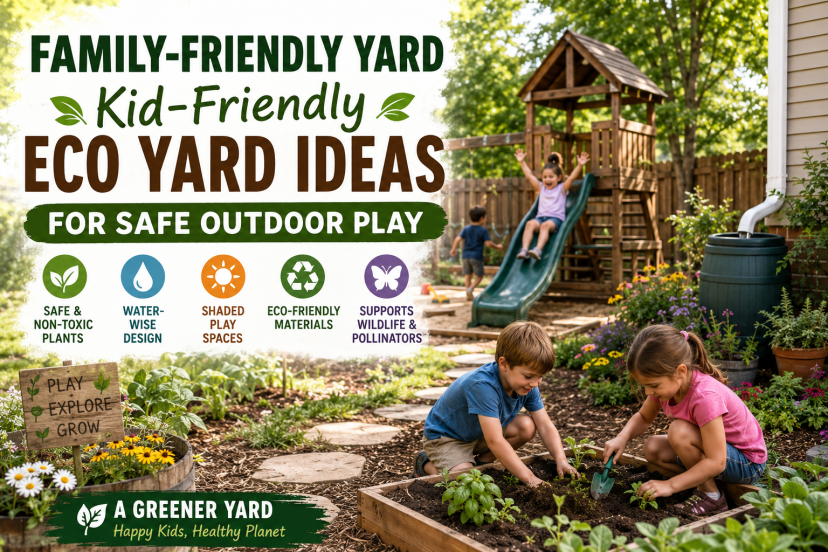
There’s something special about watching children run, explore, and play outside. But many traditional backyards are filled with thirsty lawns, chemical-treated plants, and hard surfaces that aren’t always the safest or most sustainable choices. The good news is that creating a family-friendly yard doesn’t require a complete landscape makeover. With thoughtful planning, eco-friendly materials, and kid-safe landscaping techniques, you can design an outdoor space that’s beautiful, low-maintenance, water-wise, and fun for the entire family.
Whether you have toddlers, school-age children, or grandchildren who visit often, the right landscaping choices can encourage outdoor activity while helping conserve water, reduce waste, and protect the environment.
⭐ Quick Answer: Family-Friendly Yard Ideas
A family-friendly yard combines safe play areas, native plants, non-toxic landscaping, water-efficient irrigation, shade, durable ground covers, and eco-friendly materials. By using sustainable landscaping practices, homeowners can create an outdoor space that’s safer for children, easier to maintain, and better for the environment.
⭐ Key Takeaways
Most likely cause: Many backyards were designed around traditional lawns and ornamental landscaping rather than child-friendly, water-wise, and sustainable features.
Usually serious? No. Most yards can become safer and more environmentally friendly with simple changes such as adding shade, choosing durable ground covers, reducing chemical use, and selecting appropriate plants.
First thing to check: Look for potential hazards, including toxic or thorny plants, slippery or hard play surfaces, excessive sun exposure, standing water, and areas where children may have difficulty playing safely.
Best solution: The best family-friendly yard ideas combine safe play spaces, native or climate-appropriate plants, non-toxic landscaping, shade, water-efficient irrigation, and durable eco-friendly materials that work for both children and adults.
🌿 Why A Family-Friendly Yard Matters
A well-designed family-friendly yard offers much more than a place to play.
It helps:
- Encourage outdoor exercise
- Reduce water consumption
- Support local wildlife
- Lower landscape maintenance costs
- Create pollinator-friendly spaces
- Provide comfortable shade during hot summers
- Improve curb appeal
Many U.S. communities now encourage sustainable landscaping through water conservation programs, rainwater harvesting incentives, and native plant initiatives, making eco-friendly improvements even more worthwhile.
🌼 Start With Safe, Non-Toxic Landscaping
Children naturally touch plants, dig in soil, and explore every corner of the yard.
That makes safety the first priority.
Choose landscaping that avoids:
- Toxic plants
- Sharp ornamental grasses
- Thorny shrubs near play areas
- Chemical pesticides
- Excess herbicides
Instead, plant:
- Native wildflowers
- Coneflowers
- Black-eyed Susans
- Bee balm
- Milkweed (away from active play zones)
- Sunflowers
Native plants are generally more resistant to local pests and require less fertilizer and watering.
💧 Design A Water-Wise Family-Friendly Yard
Water conservation benefits both your budget and the environment.
Simple improvements include:
Install Drip Irrigation
Deliver water directly to plant roots while reducing evaporation.
Add Mulch
Apply 2–3 inches of natural mulch around plants to retain moisture and suppress weeds.
Use Rain Barrels
Capture rainwater from roof gutters for garden watering.

Plant Drought-Tolerant Species
Once established, drought-resistant plants require far less irrigation.
These strategies create a healthier family-friendly yard while lowering monthly water bills.
🌳 Create Comfortable Shade For Outdoor Play
Children spend more time outside when play areas remain cool.
Eco-friendly shade options include:
- Deciduous shade trees
- Pergolas
- Shade sails
- Native shrubs
- Climbing vines on trellises
Properly placed trees may also help reduce summer cooling costs by shading portions of your home.
🍃 Choose Eco-Friendly Ground Covers
Large lawns often require frequent mowing, watering, and fertilizing.
Consider replacing portions of grass with environmentally friendly alternatives.
Popular options include:
- Clover lawns
- Native grasses
- Creeping thyme
- Mulched play areas
- Wood chips
- Natural stone pathways
These options reduce maintenance while creating a softer, safer outdoor environment.
🪵 Build Safe DIY Play Spaces Using Sustainable Materials
You don’t need expensive playground equipment to encourage outdoor fun.
Try building:
- Nature play zones
- Balance logs
- Sand play areas
- Raised garden beds
- Stick forts
- Mini obstacle courses
Choose materials like:

- FSC-certified lumber
- Recycled plastic edging
- Untreated cedar
- Natural stone
- Recycled rubber mulch where appropriate
DIY projects help reduce costs while allowing customization for your family’s needs.
🐝 Support Wildlife While Keeping Kids Safe
A healthy ecosystem benefits both children and nature.
Encourage beneficial wildlife by adding:
- Bird feeders
- Bird baths
- Pollinator gardens
- Butterfly host plants
- Native flowering shrubs
Avoid placing bee-attracting plants immediately beside swing sets or play structures.
Instead, create dedicated pollinator zones in another section of the yard.
This helps children safely observe nature while reducing accidental encounters.
🌧 Make Rainwater Part Of Your Landscape
Rainwater harvesting is an excellent eco-friendly strategy.
Ideas include:

Rain Gardens
Capture stormwater naturally while supporting native plants.
Decorative Dry Creek Beds
Guide runoff while reducing erosion.
Rain Barrels
Store water for vegetable gardens and flower beds.
Permeable Walkways
Allow rainwater to soak into the soil instead of running into storm drains.
Many municipalities encourage these improvements to reduce runoff and improve water quality.
🌻 Grow A Kid-Friendly Garden
Gardening teaches responsibility, patience, and environmental awareness.
Easy plants for children include:
- Cherry tomatoes
- Lettuce
- Strawberries
- Carrots
- Snap peas
- Herbs
- Pumpkins
- Sunflowers
Use raised beds to improve drainage and reduce weeds.

Composting kitchen scraps also teaches children how food waste becomes healthy soil.
☀ Add Solar-Powered Features
Solar-powered accessories improve sustainability while reducing electricity costs.

Popular options include:
- Solar pathway lights
- Solar string lights
- Solar fountains
- Solar garden decorations
- Solar-powered water features
Many products install without wiring, making them excellent DIY upgrades.
🌎 Eco-Friendly Maintenance Tips For A Family-Friendly Yard
Maintaining a sustainable yard is often easier than caring for a traditional lawn.
Helpful habits include:
- Leave grass clippings as natural fertilizer.
- Compost leaves and yard waste.
- Plant more native flowers each season.
- Water early in the morning.
- Inspect irrigation systems regularly.
- Improve soil with compost instead of synthetic fertilizers.
- Use Integrated Pest Management before applying pesticides.
These simple routines help your family-friendly yard remain beautiful year after year.
💰 How A Family-Friendly Yard Saves Money
Eco-friendly landscaping offers impressive long-term savings.
Potential cost reductions include:
- Lower water bills
- Less fertilizer
- Fewer pesticides
- Reduced mowing
- Lower landscape replacement costs
- Improved property value
While some upgrades require an initial investment, sustainable landscaping often pays for itself through lower maintenance expenses.
🛠 When To Consult A Professional
Many eco-yard projects are perfect for DIY homeowners, but some situations call for expert guidance.
Consider hiring a professional if you plan to:
- Install large retaining walls or drainage systems.
- Build extensive irrigation networks.
- Design complete native landscapes.
- Install outdoor solar lighting systems with electrical components.
- Remove mature trees near structures.
- Correct major grading or erosion problems.
- Build permanent playground structures requiring permits.
A qualified landscaper, eco-contractor, or solar installer can help ensure your project meets local codes and performs safely.
❓ FAQs: Family-Friendly Yard
1. What makes a yard family-friendly?
A family-friendly yard includes safe play spaces, non-toxic plants, durable landscaping, shade, efficient irrigation, and environmentally friendly materials.

2. What are the safest ground covers for children’s play areas?
Mulch, engineered wood fiber, natural grass, clover, and soft ground covers can all work well depending on the intended use and local climate.
3. Are native plants good for family yards?
Yes. Native plants usually require less water, fewer chemicals, and provide valuable habitat for pollinators and birds.
4. How can I reduce water use in my backyard?
Use drip irrigation, mulch, drought-tolerant plants, rain barrels, and water-efficient landscaping designs.
5. Should children help with gardening?
Absolutely. Age-appropriate gardening activities help children learn about nature, healthy eating, and environmental stewardship.
6. Is solar landscape lighting worth installing?
Yes. Solar lighting reduces electricity costs, requires minimal maintenance, and installs easily without underground wiring.
7. How do I make my yard low-maintenance and eco-friendly?
Choose native plants, reduce lawn size, improve soil with compost, install efficient irrigation, mulch garden beds, and use sustainable materials whenever possible.
🎯 Final Thoughts On Family-Friendly Yard Ideas
Creating a family-friendly yard doesn’t mean choosing between fun and sustainability—you can have both. By combining safe landscaping, native plants, water-saving practices, eco-friendly materials, and thoughtful design, you’ll build an outdoor space where children can play, wildlife can thrive, and your maintenance workload stays manageable.
Every small improvement—from planting a shade tree to installing a rain barrel—helps create a greener, healthier future for your family and your community. Start with one project, build over time, and enjoy an outdoor space that grows more beautiful and sustainable every season.
Disclaimer: This article is intended for general educational purposes only. Always follow local building codes, HOA requirements, water-use restrictions, playground safety guidelines, and manufacturer instructions before beginning landscaping or outdoor construction projects. Regional climate and soil conditions may affect plant selection and maintenance recommendations.
 Explore more:

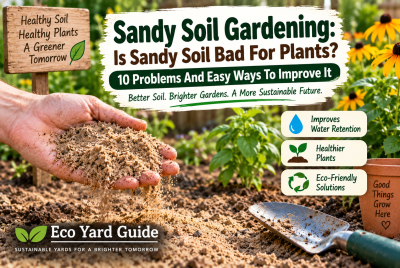
- Sandy Soil Gardening: Is Sandy Soil Bad For Plants?
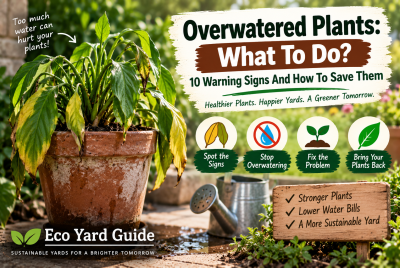
- Overwatered Plants: What To Do?
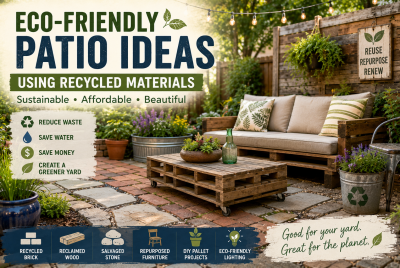
- Recycled Materials Patio Ideas