Pollinator Friendly Garden Ideas That Save Money And Support Wildlife
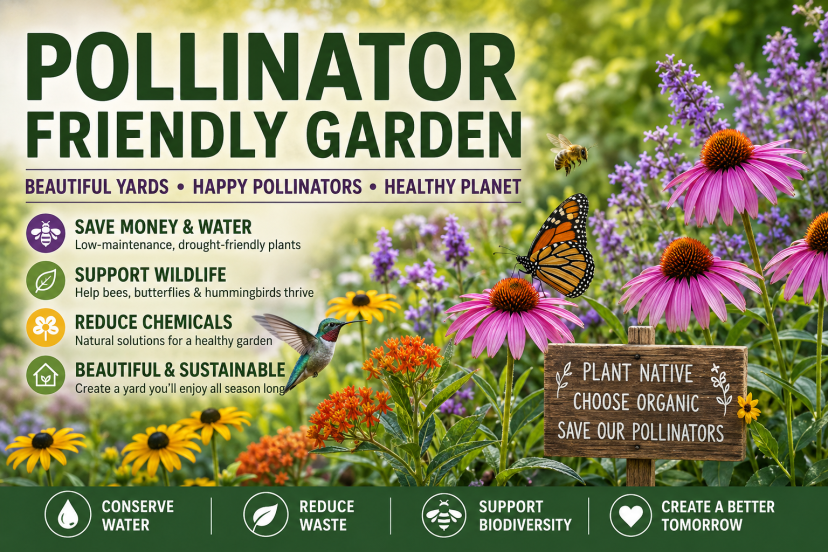
Many homeowners want a yard that looks beautiful without requiring endless watering, expensive chemicals, or constant maintenance. At the same time, more people are becoming aware of how important bees, butterflies, hummingbirds, and other pollinators are to our environment. The good news is that creating a pollinator friendly garden doesn’t have to be complicated or expensive. In fact, many eco-conscious landscaping choices can lower water bills, reduce yard work, and create healthier outdoor spaces.
Whether you have a large backyard or a small suburban landscape, a pollinator friendly garden can help you save money while supporting local wildlife and protecting the environment.
⭐ Quick Answer: Pollinator Friendly Garden Ideas
A pollinator-friendly garden uses native plants, flowering perennials, low-water landscaping, and chemical-free practices to attract bees, butterflies, hummingbirds, and other beneficial insects while reducing maintenance and conserving resources.
Key Takeaways
- Most likely cause: Yards with limited flowering plants, few native species, frequent pesticide use, or large areas of traditional lawn generally provide less food and habitat for bees, butterflies, and other pollinators.
- Usually serious? Not an immediate household problem, but improving pollinator habitat can support local biodiversity while creating a more environmentally friendly and resilient yard.
- First thing to check: When planning a pollinator friendly garden, look at what already grows in your yard and identify opportunities to add native plants that flower at different times throughout the growing season.
- Best solution: Plant a diverse mix of native flowers, shrubs, and perennials, provide simple water and shelter sources, reduce pesticide use, and choose low-water plants suited to your local climate.
🌼 Why Pollinator Friendly Gardens Matter
Pollinators play an essential role in the food supply and ecosystem health.
According to the USDA, pollinators help support crops such as:
- Apples
- Blueberries
- Tomatoes
- Squash
- Almonds
- Strawberries
Unfortunately, habitat loss, pesticides, and urban development have reduced pollinator populations across the United States.
Creating a pollinator friendly garden helps provide food, shelter, and nesting spaces that many species desperately need.
Benefits include:
- Increased biodiversity
- Better fruit and vegetable production
- Reduced chemical use
- Lower water consumption
- Improved curb appeal
- Less lawn maintenance
🐝 Benefits Of A Pollinator Friendly Garden
A pollinator friendly garden provides advantages beyond helping bees.
Save Money On Landscaping
Native plants often require:
- Less watering
- Fewer fertilizers
- Reduced mowing
- Minimal maintenance
Over time, these savings can significantly reduce annual landscaping costs.
Support Local Wildlife
Pollinator gardens attract:
- Honey bees
- Native bees
- Butterflies
- Hummingbirds
- Ladybugs
- Beneficial insects
These species help create healthier ecosystems.
Reduce Water Usage
Many native plants are naturally drought-tolerant.
Homeowners in states with water restrictions, including California, Arizona, Nevada, and Texas, often benefit from low-water landscapes.
Improve Property Appearance
A colorful pollinator-friendly garden creates visual interest throughout the growing season while adding curb appeal.

🌿 Best Plants For A Pollinator Friendly Garden
Choosing the right plants is one of the most important steps.
Native Flowers
Native plants are adapted to local climates and typically require fewer resources.
Popular choices include:
- Purple Coneflower
- Black-Eyed Susan
- Bee Balm
- Milkweed
- Goldenrod
- Aster
- Blanket Flower
Flowering Herbs
Many herbs attract pollinators while providing fresh ingredients for cooking.
Examples include:
- Lavender
- Thyme
- Oregano
- Basil
- Rosemary
Shrubs For Pollinators
Shrubs provide food and shelter.
Consider:
- Serviceberry
- Buttonbush
- Elderberry
- Blueberry Bushes
Trees That Support Pollinators
Trees offer nectar and habitat.
Examples include:
- Redbud
- Dogwood
- Crabapple
- Tulip Poplar
🌸 How To Design A Pollinator Friendly Garden
A successful pollinator garden should provide blooms from spring through fall.
Plant In Groups
Clusters of flowers are easier for pollinators to locate.
Instead of planting one flower at a time, group several of the same species together.
Include Different Bloom Times
Choose plants that flower during:
- Early Spring
- Late Spring
- Summer
- Fall
Continuous blooms provide a steady food source.
Add Multiple Heights
Mix:
- Ground covers
- Medium perennials
- Tall flowering plants
- Shrubs
Layered gardens create better habitat.
Leave Some Natural Areas
Not every section needs to look perfectly manicured.
Small brush piles, fallen leaves, and native grasses provide nesting opportunities for beneficial insects.
💧 Water-Saving Strategies For Pollinator Friendly Gardens
One reason many homeowners love a pollinator friendly garden is that it can help conserve water.
Use Mulch
Organic mulch:
- Reduces evaporation.
- Suppresses weeds.
- Improves soil health.
Popular options include:
- Pine bark mulch
- Wood chips
- Compost
Install Drip Irrigation
Drip systems deliver water directly to plant roots.
Benefits include:
- Lower water bills.
- Reduced waste.
- Improved efficiency.
Collect Rainwater
Rain barrels can provide supplemental irrigation for flower beds and vegetable gardens.
Many U.S. communities encourage rainwater harvesting.
Replace Traditional Lawns
Large lawns often require heavy watering.
Consider replacing sections with:
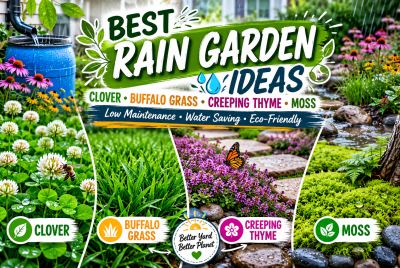
- Clover
- Native grasses
- Ground covers
- Wildflower gardens
♻️ Eco-Friendly Materials For Pollinator Gardens
Sustainable landscaping materials help reduce environmental impact.

Consider using:
Recycled Materials
Examples include:

- Reclaimed bricks
- Recycled edging
- Repurposed wood
Compost
Compost improves soil naturally while reducing household waste.
Kitchen scraps such as:
- Fruit peels
- Coffee grounds
- Vegetable scraps
can become valuable soil amendments.
Organic Fertilizers
Natural options include:
- Compost tea
- Worm castings
- Fish emulsion
These products support healthy plants without harsh chemicals.
🚫 Avoid Harmful Chemicals In A Pollinator Friendly Garden
Pesticides can unintentionally harm bees and butterflies.
Instead, try eco-friendly alternatives.
Encourage Beneficial Insects
Ladybugs and lacewings naturally help control pests.
Use Physical Barriers
Row covers and garden netting can protect plants.
Practice Companion Planting
Certain plants naturally repel unwanted insects.
Examples include:
- Marigolds
- Basil
- Garlic
Reducing chemical use creates a safer environment for pollinators.
🌎 Additional Features To Include
A pollinator friendly garden can become even more effective with simple additions.
Bird Baths
Shallow water sources support both birds and insects.
Bee Hotels
Native bees often need nesting spaces.
Flat Stones
Butterflies use stones for basking in sunlight.
Rain Gardens
Rain gardens help absorb stormwater while supporting native plants.
Solar Lighting
Solar-powered pathway lights provide energy-efficient outdoor lighting.
🛠️ DIY Steps To Build A Pollinator Friendly Garden
Step 1: Choose A Sunny Location
Most pollinator plants prefer six or more hours of sunlight.
Step 2: Improve Soil
Add compost to increase fertility.
Step 3: Select Native Plants
Choose species suited to your USDA hardiness zone.
Step 4: Plant In Clusters
Group similar plants together.

Step 5: Mulch Around Plants
Mulch conserves moisture and reduces weeds.
Step 6: Avoid Pesticides
Use natural pest management whenever possible.
👷 When To Consult A Professional
While many homeowners can create a pollinator friendly garden themselves, professional help may be beneficial if:
- Major drainage issues exist.
- Retaining walls are needed.
- Large landscape renovations are planned.
- Irrigation systems require installation.
- Solar lighting systems involve electrical work.
- Local HOA rules affect landscape design.
A landscaper or eco-contractor can help prevent costly mistakes and ensure long-term success.
❓ FAQs: Pollinator Friendly Garden Ideas
What is a Pollinator-Friendly Garden?
A pollinator-friendly garden is designed to provide food, shelter, and nesting spaces for bees, butterflies, hummingbirds, and other beneficial insects.
What Flowers Attract Pollinators The Most?
Coneflowers, bee balm, milkweed, black-eyed Susan, lavender, and asters are popular pollinator plants.
Do Pollinator Gardens Require A Lot Of Maintenance?
No. Native plants are generally low maintenance and often require less water and fertilizer than traditional landscapes.
Can a Pollinator-Friendly Garden Save Money?
Yes. Reduced watering, fewer chemicals, and less lawn maintenance can lower landscaping costs over time.
Should I Use Mulch In A Pollinator Garden?
Yes. Mulch helps conserve moisture, suppress weeds, and improve soil quality.
Are Pollinator Gardens Good For Vegetable Gardens?
Absolutely. Pollinators help increase fruit and vegetable production.
Can I Create a Pollinator-Friendly Garden In A Small Yard?
Yes. Even patios, raised beds, and container gardens can provide valuable habitat for pollinators.
🎯 Conclusion: Pollinator Friendly Garden Ideas
Creating a pollinator friendly garden is one of the easiest ways to make your yard more sustainable while reducing maintenance and supporting wildlife. With native plants, water-saving practices, and eco-friendly materials, you can create a beautiful outdoor space that benefits both your family and the environment.
Small changes add up. Every flower planted and every chemical avoided helps build a healthier ecosystem for future generations.
Disclaimer: This article is for educational purposes only. Plant performance varies by region, climate, and soil conditions. Always follow local regulations and verify plant suitability for your area before beginning landscaping projects.
 Explore more: