Container Gardening Vegetables: How To Grow Fresh Food In Pots (2026 Guide)
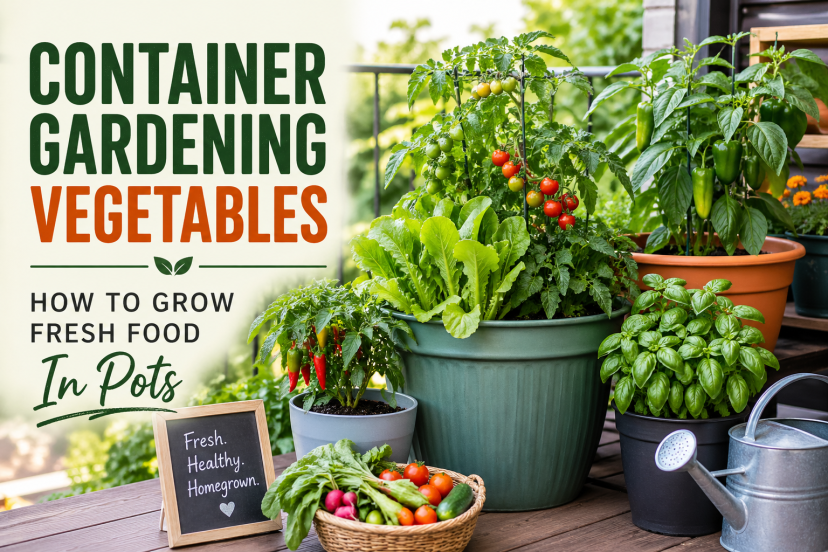
🌱 Container Gardening Vegetables
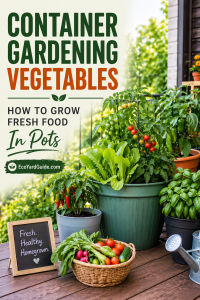
Container gardening vegetables are vegetables grown in pots, grow bags, or containers instead of in the ground. The best options include tomatoes, peppers, lettuce, spinach, carrots, and herbs. With proper soil, sunlight, and watering, you can grow fresh food even in small spaces.
🪴 Why Container Gardening Is Perfect For Growing Vegetables
Container gardening is one of the easiest ways to grow vegetables—especially in urban environments.
Why It Works So Well:
- No yard required
- Full control over soil quality
- Easy to move plants for sunlight
- Perfect for small spaces
This is one of the most practical urban gardening ideas for beginners.
🌿 Best Vegetables For Container Gardening
Not all vegetables grow well in containers—but many do.
Top Container Gardening Vegetables:
- Cherry tomatoes
- Peppers (bell & chili)
- Lettuce
- Spinach
- Radishes
- Carrots (short varieties)
- Green onions
Choose compact or dwarf varieties for best results.
🪴 Best Containers For Growing Vegetables
The right container makes a big difference.
What To Look For:
- Drainage holes (essential)
- Enough depth for roots
- Durable material
- Lightweight (for balconies)
Popular Options:
- Plastic pots
- Fabric grow bags
- Wooden boxes
- Raised containers
Bigger containers usually lead to healthier plants and higher yields.
🌱 Soil: The Foundation Of Success
Soil quality can make or break your garden.
Use:
- High-quality potting mix
- Organic container soil
- Compost blends
Avoid:
- Garden soil from outside
- Heavy, compact dirt
Good soil improves drainage, nutrients, and plant health.
🌞 Sunlight Requirements
Most vegetables need good light to grow.
Basic Sunlight Guide:
- Full sun (6–8 hours) → tomatoes, peppers
- Partial sun (4–6 hours) → lettuce, spinach
- Low light → herbs only
If sunlight is limited, consider a grow light.
💧 Watering Container Vegetables
Containers dry out faster than ground soil.
Watering Tips:
- Check the soil daily
- Water when the top inch is dry
- Ensure proper drainage
Signs Of Problems:
- Yellow leaves → overwatering
- Drooping leaves → underwatering
Consistent watering is key.
🌿 Fertilizing For Better Growth
Container plants need regular feeding.
Easy Options:
- Liquid fertilizer (every 1–2 weeks)
- Organic compost
- Slow-release fertilizer
This helps plants grow faster and produce more.
🪴 Step-By-Step Setup (Beginner-Friendly)
Here’s a simple way to start:

- Choose 2–3 containers
- Fill with quality potting mix
- Plant easy vegetables (like lettuce or herbs)
- Place in a sunny spot
- Water consistently
This simple setup can produce food within weeks.
💰 Best Container Gardening Setup (High ROI)
If you want the best results with minimal effort:
- 3–5 medium containers
- Herbs + leafy greens
- One tomato or pepper plant
- Optional grow light
This setup balances ease, cost, and productivity.
🧠 Smart Tips For Better Yields
- Use larger containers when possible
- Group plants with similar needs
- Rotate pots for even sunlight
- Use vertical supports for climbing plants
- Harvest regularly to encourage growth
Small changes can significantly increase production.
⚠️ Common Container Gardening Mistakes
Avoid these beginner mistakes:
- Using small containers
- Poor soil quality
- Overwatering
- Not enough sunlight
- Overcrowding plants
Fixing these early leads to better results.
📅 What To Expect (Growth Timeline)
Here’s a realistic timeline:
- 1–2 weeks → sprouting
- 3–5 weeks → growth stage
- 6–8 weeks → first harvest
- 2–3 months → strong production
Leafy greens and herbs grow the fastest.
🪴 Container Size Guide (Quick Reference)
Choosing the right size matters.
General Guidelines:
- Herbs → small pots (6–8 inches)
- Greens → medium pots (8–12 inches)
- Tomatoes/peppers → large pots (12–18 inches)
Bigger containers = stronger root systems.
💸 Is Container Gardening Worth It?
Yes—especially for small spaces.
Benefits:
- Saves money on herbs and greens
- Provides fresh, organic produce
- Easy to maintain
It’s one of the most cost-effective ways to start gardening.
❓ FAQs About Container Gardening Vegetables
What vegetables grow best in containers?
Tomatoes, peppers, lettuce, spinach, and herbs are among the best.
Can you grow vegetables in small pots?
Yes, you can grow vegetables in small pots, but larger pots usually produce better results.
Do container vegetables need fertilizer?
Yes. Nutrients are limited in containers, so regular feeding helps.
How often should you water container plants?
Check daily and water when the top inch of soil is dry.
🌟 Final Thoughts: Start Small And Grow More
Container gardening makes growing vegetables simple and accessible.
Start with:
- A few containers
- Easy vegetables
- Good soil and sunlight
Then expand.
With the right approach, container gardening vegetables can provide fresh food even in the smallest spaces.
⚠️ Disclaimer
This content is for general informational purposes only. Results may vary, and you should always follow proper gardening and safety practices.
 Explore more: