Wildlife Water Stations: How To Help Birds, Bees & Small Animals Thrive
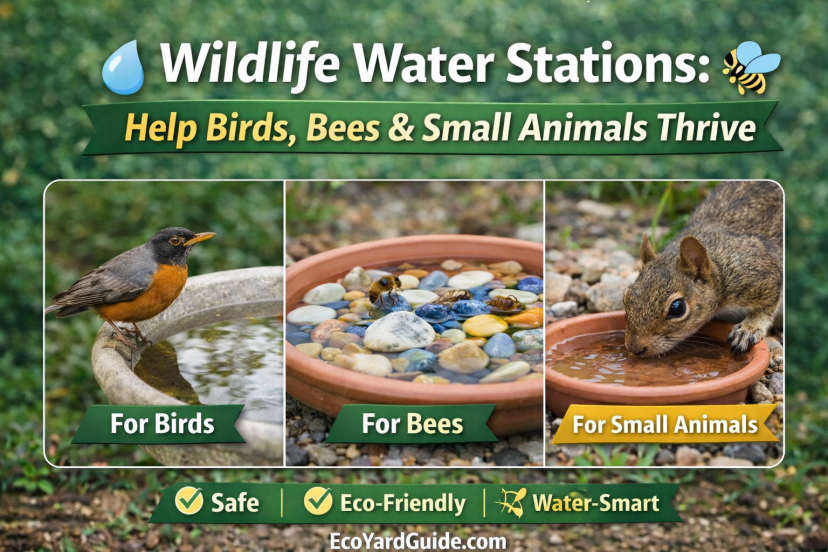
🌿 A Simple Way To Make A Big Impact In Your Yard
Eco-conscious homeowners often think that helping wildlife requires large land, expensive projects, or major lifestyle changes. In reality, one of the most powerful ways to support nature starts with something surprisingly simple: water.
Across much of the U.S., droughts, urban development, and climate shifts have reduced natural water sources for birds, bees, and small animals. Even in green neighborhoods, clean, safe water can be hard to find.
That’s where a wildlife water station comes in.
By adding eco-friendly watering spots to your yard, you can support pollinators, songbirds, and beneficial wildlife while using very little water. These stations are affordable, easy to build, and perfect for homeowners who want to save money, reduce waste, and live more sustainably.
This guide shows you how to create safe, effective water stations that provide real backyard wildlife support without harming the environment.
💧 Why Wildlife Water Stations Matter More Than Ever
Water is just as important as food for wildlife — and often harder to find.
🌱 Why Natural Water Sources Are Disappearing
-
Urban development replaces wetlands and streams
-
Paved surfaces increase runoff instead of absorption
-
Lawn drainage systems remove standing water
-
Extended droughts reduce creeks and puddles
A well-designed wildlife water station helps replace what nature has lost, especially during hot summers and dry seasons.
🐦 What Is A Wildlife Water Station?
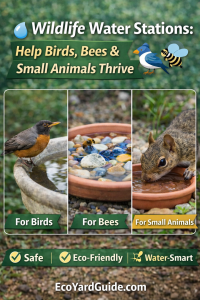
A wildlife water station is any intentional water source designed to safely provide drinking and bathing access for animals.

💦 Common Types Of Water Stations
-
Shallow bird baths
-
Ground-level water dishes
-
Bee waterers with landing surfaces
-
Small pondless basins
-
Drip or slow-fill features
When built correctly, these stations support bird baths eco practices and responsible backyard wildlife support.
🌼 Benefits Of Adding A Wildlife Water Station
Providing water benefits more than just wildlife — it helps your entire ecosystem.
✅ Key Benefits
-
Supports birds, bees, butterflies, and small mammals
-
Improves pollination in your yard
-
Encourages natural pest control
-
Uses minimal water
-
Increases biodiversity
A thoughtfully placed wildlife water station creates a healthier, more balanced outdoor space.
🐝 How Wildlife Water Stations Help Bees And Pollinators
Bees need water not only to drink but to cool their hives.
🌱 Why Bees Struggle To Find Water
-
Pools and fountains are often unsafe
-
Chemical runoff contaminates puddles
-
Smooth surfaces cause drowning
A proper bee waterer provides shallow access with safe landing spots.
🔧 How To Build A Bee Waterer (DIY Guide)
Creating a bee-friendly station takes just minutes.
🛠️ Simple Bee Waterer Materials
-
Shallow dish or plant saucer
-
Small stones or marbles
-
Clean water
🌱 Step-By-Step
-
Fill the dish with water
-
Add stones so they rise above the surface
-
Place in a sunny, wind-protected area
-
Refill regularly
This small setup dramatically improves backyard wildlife support for pollinators.
🐦 Eco-Friendly Bird Baths: What Works Best
Birds rely on water for drinking and feather maintenance.

💧 Bird Bath Design Tips
-
Keep water depth under 2 inches
-
Add textured surfaces for grip
-
Elevate to reduce predator access
-
Place near shrubs for cover
Using bird baths eco designs ensures safety while conserving water.
🌱 Best Locations For Wildlife Water Stations
Placement is just as important as design.
📍 Ideal Placement Tips
-
Partial shade to reduce evaporation
-
Near native plants for shelter
-
Away from reflective windows
-
Visible enough for animals to find
Spreading out more than one wildlife water station helps different species access water safely.
🐿️ Supporting Small Animals Safely
Squirrels, chipmunks, and other small animals also benefit from water access.
🌿 Ground-Level Water Tips
-
Use shallow bowls
-
Add sticks or stones for escape routes
-
Avoid deep containers
-
Place near natural cover
This approach supports ethical backyard wildlife support without attracting pests.
💧 How To Keep Water Clean And Safe
Clean water prevents disease and mosquito breeding.
🧼 Maintenance Best Practices
-
Change water every 2–3 days
-
Scrub containers weekly
-
Avoid soap residue
-
Use fresh water only
Proper upkeep keeps your wildlife water station healthy and effective.
🦟 Preventing Mosquitoes Naturally
Standing water can attract mosquitoes — but it doesn’t have to.
☀️ Eco-Friendly Mosquito Prevention
-
Empty and refresh the water often
-
Use moving or dripping water
-
Add mosquito dunks (pet-safe varieties)
-
Keep water shallow
These methods protect wildlife while staying eco-friendly.
🌎 Water-Smart Tips For Drought-Prone States
In states like California, Arizona, and Texas, water conservation matters.
💧 Low-Water Wildlife Support Tips
-
Use small containers
-
Refill with collected rainwater
-
Place stations in shaded areas
-
Avoid constant overflow
Even in dry climates, a wildlife water station can be both responsible and impactful.
🔄 Eco-Friendly Materials To Use (And Avoid)
Choosing the right materials matters.

✅ Recommended Materials
-
Ceramic or clay dishes
-
Recycled plastic planters
-
Natural stone
-
Stainless steel
❌ Materials To Avoid
-
Treated wood
-
Deep glass containers
-
Sharp metal edges
-
Toxic coatings
Eco-conscious material choices align with bird baths eco standards.
👷 When To Consult A Professional
Most wildlife water stations are DIY-friendly, but professional help may be useful if:
-
You’re installing permanent water features
-
Local regulations restrict outdoor water use
-
You want solar-powered circulation
-
Your yard has drainage issues
A landscaper or eco-contractor can help design water features that meet local guidelines while supporting backyard wildlife support.
❓ FAQs About Wildlife Water Stations
🐦 1. How often should I clean a wildlife water station?
Every 2–3 days in warm weather and at least once a week in cooler seasons.
🐝 2. What is the best bee waterer design?
A shallow dish with stones or marbles that allow bees to land safely.
💧 3. Can I use tap water in wildlife water stations?
Yes. Letting it sit for a few hours helps chlorine dissipate, but it’s generally safe.
🌿 4. Will water stations attract unwanted pests?
Properly maintained shallow stations usually attract beneficial wildlife, not pests.
☀️ 5. Do wildlife water stations work in winter?
Yes. Heated bird baths or frequent refilling help during freezing temperatures.

🌎 6. How many water stations should I have?
Multiple small stations spaced out are better than one large source.
🐿️ 7. Are wildlife water stations safe for small animals?
Yes, when shallow and equipped with escape routes like stones or sticks.
🌿 Conclusion: Small Water Sources Create Big Change
Creating a wildlife water station is one of the simplest, most affordable ways to support nature right outside your door. With minimal water use and basic materials, you can help birds, bees, and small animals survive and thrive — especially during dry or hot periods.
These small actions add up. When many homeowners create safe water sources, entire neighborhoods become healthier ecosystems.
Sustainable living doesn’t have to be complicated. Sometimes, it starts with a bowl of water.
⚠️ Disclaimer
This article is for educational purposes only. Always follow local water-use regulations, HOA guidelines, and safety practices. Wildlife needs and laws may vary by region.
 Explore more:
- Natural Backyard Privacy Ideas
- How To Create A Water-Smart Yard
- Permeable Landscaping: Smart Yard Surfaces That Save Money