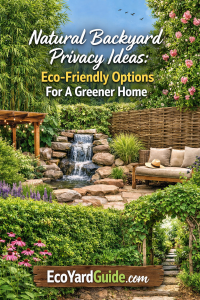
Natural Backyard Privacy Ideas: Eco-Friendly Options For A Greener Home
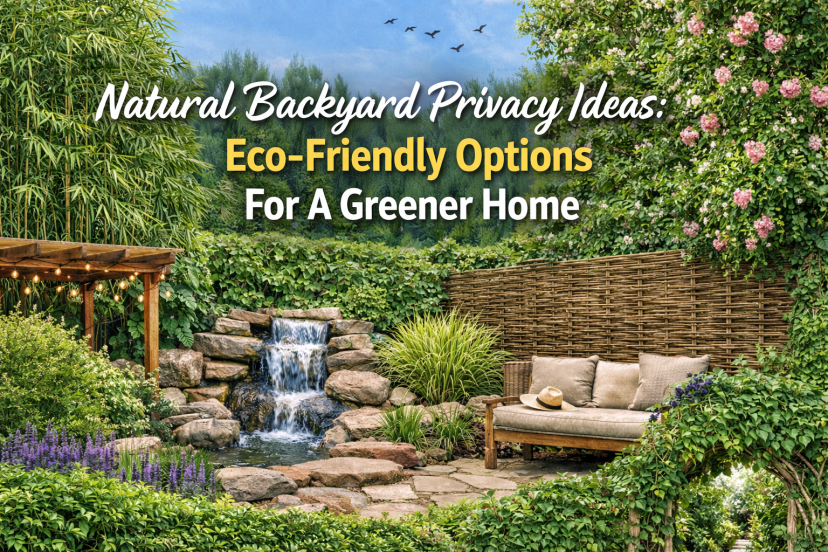
💥 Privacy That Works With Nature
If you love spending time outdoors but feel exposed to neighbors, streets, or nearby buildings, you’re not alone. Many eco-conscious homeowners want natural backyard privacy without resorting to plastic fencing, vinyl panels, or resource-heavy construction.
The good news? Living privacy screens made from trees, shrubs, and climbing plants can protect your space, reduce noise, support wildlife, and even lower long-term costs. With the right approach, your yard can feel private and planet-friendly.
This guide explores practical, sustainable ways to create privacy landscaping using native plants, living walls, and smart eco strategies—perfect for U.S. homeowners who want beauty without waste.
🌿 What Is Natural Backyard Privacy?
Natural backyard privacy uses living plants instead of solid barriers to block sightlines, noise, and wind.
Rather than installing a traditional fence, you rely on:
-
Privacy plants
-
Shrub fences
-
Eco privacy screens made from trees, vines, and hedges
These green solutions grow stronger over time and blend seamlessly into your landscape.
🌎 Why Choose Eco-Friendly Backyard Privacy?
🌱 Environmental Benefits
-
Supports pollinators and native wildlife
-
Improves soil health and water absorption
-
Reduces urban heat and carbon footprint
💰 Financial Benefits
-
Lower lifetime cost than wood or vinyl fencing
-
Reduced maintenance and replacement expenses
-
Increased property value through landscaping appeal
🌬️ Comfort Benefits
-
Natural sound buffering
-
Cooler microclimates in summer
-
Wind and dust reduction
Choosing natural backyard privacy means protecting your home and the environment at the same time.
🌳 Best Privacy Plants For Living Backyard Screens
Selecting the right plants is essential for effective privacy landscaping.

🌲 Evergreen Trees For Year-Round Coverage
-
Arborvitae (Thuja)
-
Eastern red cedar
-
Juniper varieties
Why they work:
-
Dense foliage blocks views all year
-
Excellent for narrow property lines
-
Low water needs once established
🌸 Flowering Shrubs For Visual Interest
-
Viburnum
-
Lilac
-
Ninebark
Benefits:
-
Seasonal blooms add beauty
-
Supports pollinators
-
Ideal for shrub fence layouts
🌾 Native Grasses And Bushes
-
Switchgrass
-
Wax myrtle
-
Serviceberry
Native plants thrive with less water and fertilizer, making them ideal for eco privacy screens.
🌱 Designing A Shrub Fence For Natural Backyard Privacy
A shrub fence is one of the most versatile privacy solutions.
🔧 Step-By-Step Shrub Fence Setup
-
Measure your privacy area
-
Choose shrubs suited to your USDA zone
-
Space plants based on mature width
-
Use compost instead of synthetic fertilizer
-
Mulch heavily to conserve moisture
Pro tip:
Stagger plant rows for thicker coverage and faster results.
Shrub fences blend beautifully into sustainable yards and provide long-term natural backyard privacy without harsh lines.
🌿 Living Walls And Eco Privacy Screens
For small yards or patios, vertical privacy solutions work wonders.
🌱 Climbing Plants For Vertical Screens
-
Clematis
-
Honeysuckle
-
Native grapevine
Use recycled wood trellises or metal frames to create eco privacy screens that grow denser each season.

☀️ Green Screens With Dual Benefits
-
Shade structures with vines
-
Solar-friendly spacing
-
Cooling effects for outdoor living areas
Living walls are excellent options where space is limited, but privacy is needed.
💧 Water-Smart Privacy Landscaping Strategies
Sustainable privacy landscaping doesn’t require high water use.
💧 Eco Water-Saving Tips
-
Install drip irrigation
-
Choose drought-tolerant privacy plants
-
Collect rainwater where permitted
-
Use deep mulch layers
Many U.S. states encourage water-efficient landscaping through rebates and conservation programs, making natural backyard privacy even more affordable.
🌿 Mixing Privacy Layers For Maximum Coverage
Layering plants creates stronger and more natural privacy.
🌱 Ideal Layering Structure
-
Tall trees at the back
-
Medium shrubs in the middle
-
Grasses or perennials in front
This approach blocks multiple sightlines while supporting biodiversity and visual depth.
🌼 Wildlife-Friendly Privacy Landscaping
Eco-friendly privacy landscaping supports local ecosystems.
🐝 Pollinator-Friendly Plant Choices
-
Milkweed
-
Coneflower
-
Bee balm
🦜 Bird-Safe Privacy Tips
-
Avoid invasive species
-
Use berry-producing shrubs
-
Provide shelter year-round
Your backyard privacy can double as a thriving wildlife habitat.
🔧 DIY Natural Backyard Privacy Projects
You don’t need professional tools to get started.
🔧 Easy Weekend Projects
-
Planter boxes with bamboo alternatives
-
Movable trellis panels
-
Reclaimed wood garden screens
These DIY solutions are flexible, affordable, and perfect for renters or small yards.
☀️ Privacy Landscaping And Solar-Friendly Design
If you’re considering solar panels or already have them installed, plant placement matters.
☀️ Solar-Safe Privacy Tips
-
Keep tall trees away from rooflines
-
Use shrubs near fences, not structures
-
Choose east-west shading over south
Smart planning allows privacy without compromising clean energy goals.
🌿 Common Mistakes To Avoid
❌ Privacy Landscaping Pitfalls
-
Planting too close together
-
Choosing fast-growing invasive species
-
Ignoring mature plant size
-
Overwatering in the early stages
Avoiding these mistakes ensures your natural backyard privacy grows healthy and sustainable.

🧑🌾 When To Consult A Professional
Before planting large trees or installing extensive privacy landscaping, consider expert help if:
-
Property lines are unclear
-
Local regulations limit plant height
-
Drainage issues exist
-
You plan to integrate solar, hardscaping, or irrigation systems
A landscaper or eco-contractor can help design efficient layouts that meet local codes and long-term sustainability goals.
Region-Specific Native Plant Lists
Below are region-specific native plant lists ideal for creating natural backyard privacy in the U.S. These plants work well as privacy plants, shrub fences, and eco privacy screens while supporting local ecosystems and reducing water use.
🌲 Northeast (NY, MA, PA, NJ, CT, VT, NH, ME)
Climate: Cold winters, moderate rainfall
Best use: Dense hedges, layered shrub fences
🌱 Native Trees & Tall Shrubs
-
Eastern arborvitae
-
Eastern red cedar
-
American holly
🌿 Medium Shrubs For Privacy
-
Arrowwood viburnum
-
Inkberry holly
-
Red chokeberry
🌾 Lower Layer Fillers
-
Switchgrass
-
Winterberry (great for birds)
Why they work:
-
Tolerate snow and freeze cycles
-
Strong year-round structure
-
Low fertilizer needs
🌳 Southeast (FL, GA, NC, SC, AL, MS, TN)
Climate: Warm, humid, long growing season
Best use: Fast-growing living privacy screens
🌱 Native Trees & Large Shrubs
-
Southern wax myrtle
-
Yaupon holly
-
American beautyberry
🌿 Shrubs For Shrub Fences
-
Simpson’s stopper
-
Chickasaw plum
-
Firebush (south FL)
🌾 Grasses & Fill Plants
-
Muhly grass
-
Fakahatchee grass
Why they work:
-
Heat and humidity-tolerant
-
Evergreen or semi-evergreen coverage
-
Excellent wildlife support
🌾 Midwest (IL, OH, MI, WI, MN, IN, MO, IA)
Climate: Cold winters, hot summers
Best use: Windbreaks and layered privacy rows

🌱 Native Trees & Tall Shrubs
-
Eastern red cedar
-
Serviceberry
-
American plum
🌿 Shrubs For Eco Privacy Screens
-
Ninebark
-
Gray dogwood
-
Elderberry
🌾 Ground & Lower Layers
-
Little bluestem
-
Prairie dropseed
Why they work:
-
Withstand temperature swings
-
Improve soil health
-
Ideal for wide backyard boundaries
🌵 Southwest (AZ, NM, NV, West TX)
Climate: Hot, dry, drought-prone
Best use: Low-water privacy barriers
🌱 Native Trees & Large Plants
-
Desert willow
-
Mesquite (managed size)
-
Palo verde
🌿 Shrubs For Privacy
-
Texas sage
-
Creosote bush
-
Apache plume
🌵 Accent Privacy Plants
-
Prickly pear cactus
-
Yucca
Why they work:
-
Minimal irrigation needs
-
Perfect for water-restricted areas
-
Strong visual privacy with spacing
🌲 Pacific Northwest (WA, OR, N. CA)
Climate: Mild, wet winters; dry summers
Best use: Dense evergreen living screens
🌱 Native Trees & Tall Shrubs
-
Western red cedar
-
Douglas fir (large yards)
-
Pacific wax myrtle
🌿 Shrubs For Shrub Fences
-
Red flowering currant
-
Evergreen huckleberry
-
Salal
🌾 Lower Layers
-
Sword fern
-
Oregon grape
Why they work:
-
Thrive in partial shade
-
Evergreen privacy year-roundExcellent erosion control
🌞 California (Regional Mix)
🌱 Coastal & Northern CA
-
Toyon
-
Coffeeberry
-
California bay laurel
🌿 Central Valley
-
Valley oak
-
Western redbud
-
Buttonbush
🌵 Southern CA
-
Lemonade berry
-
California lilac (Ceanothus)
-
Manzanita
Why they work:
-
Ddrought-adapted
-
Compatible with California water regulations
-
Low long-term maintenance
🌱 Pro Tip For Best Results
-
Mix evergreen + deciduous plants
-
Stagger rows for thicker coverage
-
Check your USDA hardiness zone before planting
-
Choose native nurseries for healthier starts
❓ Frequently Asked Questions About Natural Backyard Privacy
🌱 What Is The Best Natural Backyard Privacy Option?
Living plant screens using native shrubs and trees provide long-lasting privacy with minimal environmental impact.
💧 How Long Do Privacy Plants Take To Grow?
Most shrubs offer partial privacy within 1–2 years and full coverage in 3–5 years.

🌿 Are Shrub Fences Better Than Wood Fences?
Shrub fences last longer, support wildlife, and avoid replacement costs associated with wood fencing.
🌎 What Are The Most Eco-Friendly Privacy Plants?
Native species adapted to your region require less water, fertilizer, and maintenance.

☀️ Will Privacy Trees Block Solar Panels?
Not if placed strategically. Maintain distance from rooflines and south-facing exposure.
🌼 Can I Create Privacy In A Small Yard?
Yes. Vertical eco privacy screens and trellises work well in compact spaces.
🔧 Is DIY Privacy Landscaping Affordable?
Absolutely. DIY projects using native plants and recycled materials reduce costs significantly.
🌿 Conclusion: Grow Privacy The Sustainable Way
Creating natural backyard privacy doesn’t require plastic panels or costly fences. With thoughtful plant choices, water-smart design, and eco-friendly strategies, your yard can become a peaceful, private retreat that benefits both your family and the planet.
Every shrub planted and tree grown brings you closer to a greener, quieter, and more sustainable outdoor space.
⚠️ Disclaimer
DIY landscaping projects involve physical labor and local regulations. Always check regional planting guidelines, property boundaries, and safety requirements before beginning any project.
 Explore more:
- Native Plant Yard Ideas:
- Drought-Tolerant Plants That Thrive in U.S. Yards
- Eco Friendly Landscaping Materials