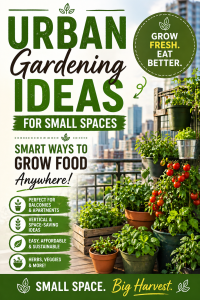
Urban Gardening Ideas: Smart Ways To Grow Food In Small Spaces (2026 Guide)
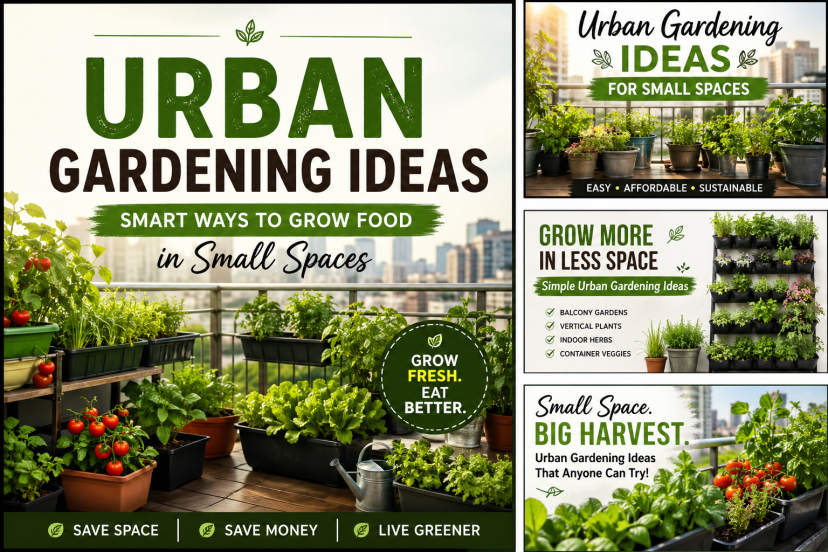
🌱 Why Urban Gardening Is Growing Fast In 2026
Living in a city doesn’t mean giving up fresh herbs, vegetables, or greenery. In fact, more people than ever are turning to urban gardening ideas to grow their own food—even in tiny apartments.
Rising food costs, limited outdoor space, and a growing interest in sustainability are pushing homeowners and renters alike to rethink how they use their space.
The good news? You don’t need a backyard.
With the right setup, you can grow a surprising amount of food on a balcony, windowsill, rooftop, or even inside your home.
🪴 Quick Answer: What Are The Best Urban Gardening Ideas?
If you want fast results, start with these proven options:
- Container gardening on balconies or patios
- Vertical gardens using walls or shelves
- Indoor herb gardens near windows
- Raised beds for small outdoor spaces
- Hanging planters for tight areas
- Hydroponic systems for indoor growing
These methods maximize space while keeping things simple and manageable.
🏙️ Container Gardening: The Easiest Way To Start
Container gardening is one of the most beginner-friendly urban gardening ideas—and for good reason.
You can grow vegetables, herbs, and even small fruit trees using pots, buckets, or recycled containers.
Why It Works So Well:
- No permanent setup required
- Easy to move based on sunlight
- Works on balconies, patios, and indoors
- Great for renters
Best Plants For Containers:
- Lettuce
- Tomatoes (especially cherry varieties)
- Peppers
- Basil, mint, parsley
- Strawberries
👉 Tip: Choose containers with drainage holes to prevent root rot.
🌿 Vertical Gardening: Grow More In Less Space
If you’re short on floor space, go vertical.
Vertical gardening lets you grow upward instead of outward—perfect for apartments and tight urban environments.
Simple Vertical Ideas:
- Wall-mounted planters
- Hanging pocket gardens
- Stacked pots or tiered shelves
- Trellises for climbing plants
Best Crops For Vertical Growth:
- Herbs
- Spinach
- Strawberries
- Cucumbers (with support)
- Beans
👉 Tip: Place vertical gardens where they get at least 4–6 hours of sunlight daily.
🌞 Balcony Gardening: Turn Small Spaces Into Food Zones
Your balcony can become a mini farm with the right layout.
Smart Balcony Setup Tips:
- Use railing planters to save space
- Add shelves to stack plants
- Group plants by sunlight needs
- Use lightweight containers
What You Can Grow:
- Herbs (easy and fast-growing)
- Leafy greens
- Compact tomatoes
- Chili peppers
Even a 1–2 square meter balcony can produce fresh food weekly.
🏠 Indoor Gardening: Grow Year-Round
No outdoor space? No problem.
Indoor gardening is one of the most flexible urban gardening ideas, especially if you use grow lights.

Easy Indoor Options:
- Windowsill herb gardens
- Small hydroponic kits
- LED grow light setups
- Mason jar herb growing
Best Indoor Plants:
- Basil
- Green onions
- Mint
- Microgreens
- Lettuce
👉 Tip: South-facing windows usually provide the best natural light.
💧 Hydroponics: High-Yield Gardening Without Soil
Hydroponics lets you grow plants using water and nutrients—no soil needed.
It may sound complex, but modern systems are surprisingly simple.
Why People Love Hydroponics:
- Faster plant growth
- Less mess indoors
- Efficient water use
- High yields in small spaces
Good Crops For Hydroponics:
- Lettuce
- Herbs
- Spinach
- Kale
👉 Tip: Start with a small countertop system before scaling up.
🌼 Raised Beds For Small Urban Yards
If you have even a small yard, raised beds can dramatically improve your results.
Benefits:
- Better soil control
- Improved drainage
- Fewer weeds
- Easier maintenance
What To Grow:
- Root vegetables (carrots, radishes)
- Leafy greens
- Tomatoes
- Zucchini
🧠 Smart Urban Gardening Tips (Most People Miss These)
These simple strategies can make a huge difference:
- Start small and scale up gradually
- Choose compact or dwarf plant varieties
- Water consistently—but don’t overwater
- Use high-quality soil or nutrient solutions
- Rotate crops to keep plants healthy
- Track sunlight patterns before planting
👉 Many beginners fail because they try to grow too much too fast.
🌍 Sustainable Urban Gardening Ideas
Urban gardening isn’t just about food—it’s also about sustainability.
Eco-Friendly Ideas:
- Compost kitchen scraps
- Collect rainwater (where possible)
- Reuse containers and materials
- Grow organically to avoid chemicals
- Plant pollinator-friendly flowers
These steps reduce waste and make your garden more self-sufficient.
⚠️ Common Urban Gardening Mistakes To Avoid
Even simple setups can fail if you overlook the basics.
Watch Out For:
- Not enough sunlight
- Overcrowding plants
- Poor drainage
- Using the wrong soil
- Ignoring plant spacing
Fixing these early can save time, money, and frustration.
📅 What To Expect: Timeline For Results
Here’s a realistic timeline for most urban gardens:
- 1–2 weeks: Seeds begin sprouting
- 3–6 weeks: Early growth stage
- 6–10 weeks: First harvest (herbs, greens)
- 2–4 months: Full production
👉 Herbs and greens are the fastest wins for beginners.
❓ FAQs About Urban Gardening Ideas
Can you really grow enough food in a small apartment?
Yes—especially herbs, greens, and small vegetables. While you won’t replace grocery shopping entirely, you can significantly supplement it.
What is the easiest plant to grow indoors?
Basil and green onions are among the easiest and fastest-growing options.
Do you need special equipment?
Not always. Many urban gardening ideas use basic containers and natural sunlight. Grow lights help, but aren’t required.
Is urban gardening expensive?
It can be not expensive. Start with simple pots and seeds, then upgrade later if needed.
🌟 Final Thoughts: Start Small And Grow From There
Urban gardening doesn’t have to be complicated.
The best approach is simple:
- Start with 2–3 easy plants
- Learn what works in your space
- Expand gradually
With the right urban gardening ideas, even the smallest space can become productive, relaxing, and surprisingly rewarding.
⚠️ Disclaimer
This content is for general informational purposes only. Results may vary, and you should always follow proper gardening and safety practices.
 Explore more: