Reduce Water Waste Yard: 15 Easy Ways To Save Water And Create A Greener Landscape
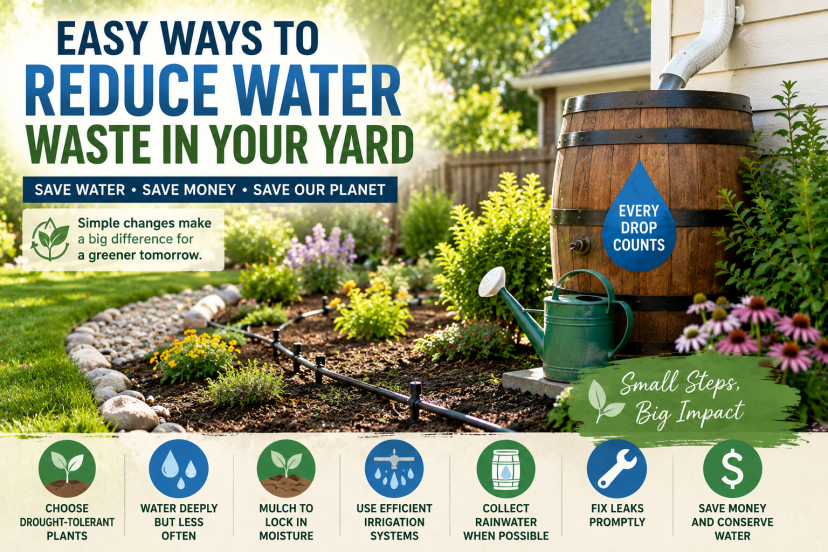
If you’re like many homeowners, you want a beautiful yard without watching your water bill climb every summer. With droughts becoming more common across many parts of the United States and water conservation becoming a growing priority, every gallon counts. Fortunately, creating a healthy landscape doesn’t require wasting thousands of gallons of water each year. Learning how to reduce water waste yard practices is one of the smartest investments you can make. A few simple changes—such as watering more efficiently, choosing drought-tolerant plants, and improving soil health—can lower your monthly utility costs while helping protect valuable natural resources.
Whether you have a large backyard, a small suburban lawn, or a compact garden, these practical strategies will help you conserve water, reduce maintenance, and enjoy a thriving outdoor space all year long.
⭐ Quick Answer: Reduce Water Waste Yard
The easiest way to reduce water waste yard is to water deeply but less often, install drip irrigation, mulch garden beds, fix leaks, collect rainwater where permitted, improve soil with compost, and replace thirsty plants with drought-tolerant native species. These methods help maintain healthy landscapes while lowering water use and utility bills.
💧 Why Reducing Water Waste In Your Yard Matters
Outdoor watering accounts for a significant portion of residential water use in many U.S. households, especially during warmer months. In dry regions, irrigation can represent more than half of a home’s total water consumption.
Reducing water waste helps:
- Lower monthly water bills
- Protect local water supplies
- Keep plants healthier
- Reduce unnecessary runoff
- Create a more resilient landscape
- Support sustainable living
Small improvements made today can produce long-term savings for both your wallet and the environment.
🌿 Common Causes Of Water Waste In The Yard
Many homeowners unknowingly waste water because of everyday habits.
Common causes include:
- Sprinklers watering sidewalks or driveways
- Watering during the hottest part of the day
- Broken sprinkler heads
- Underground irrigation leaks
- Overwatering lawns
- Poor soil that drains too quickly
- Bare soil without mulch
- Growing high-water plants in dry climates
Identifying these issues is the first step toward reducing unnecessary water use.
🚿 Install Efficient Irrigation Systems
One of the most effective ways to reduce water waste in your yard is upgrading your irrigation system.
Drip Irrigation
Drip irrigation delivers water directly to plant roots.
Benefits include:
- Less evaporation
- Fewer weeds
- Lower water usage
- Healthier plants
- Reduced runoff
Drip systems work especially well for:
- Vegetable gardens
- Flower beds
- Shrubs
- Raised garden beds
Smart Irrigation Controllers
Modern smart irrigation controllers automatically adjust watering schedules based on:
- Weather forecasts
- Rainfall
- Soil moisture
- Seasonal temperatures
Many utilities across the U.S. offer rebates for WaterSense-labeled irrigation controllers.
🌱 Improve Soil To Hold More Water
Healthy soil naturally stores more moisture.

Adding organic matter such as compost helps:
- Increase water retention
- Improve root growth
- Reduce runoff
- Feed beneficial soil organisms
Spread 2–3 inches of compost over planting beds annually and mix it into the top layer of soil whenever possible.
Healthy soil often requires less frequent watering throughout the growing season.
🍂 Apply Mulch To Reduce Evaporation
Mulch is one of the easiest and most affordable water-saving tools.
Organic mulch includes:
- Wood chips
- Bark
- Pine needles
- Shredded leaves
- Straw
Benefits include:
- Slower evaporation
- Cooler soil temperatures
- Fewer weeds
- Better soil quality over time
Apply 2–4 inches of mulch while keeping it a few inches away from plant stems and tree trunks.
🌼 Choose Drought-Tolerant Plants
Native and drought-tolerant plants naturally require less irrigation once established.
Popular options include:
- Coneflowers
- Black-eyed Susans
- Lavender
- California poppies
- Yarrow
- Sage
- Ornamental grasses
Native plants are also excellent for attracting pollinators like bees and butterflies.
🌳 Group Plants By Water Needs
A practice called hydrozoning groups plants with similar watering requirements together.
For example:
- High-water vegetables in one area
- Moderate-water flowers together
- Low-water native shrubs in another section
This prevents overwatering some plants while underwatering others.
🌅 Water At The Right Time
The best time to water is:
- Early morning before sunrise
- Shortly after sunrise
Morning watering reduces:
- Evaporation
- Wind drift
- Disease caused by overnight moisture
Avoid watering during:
- Midday heat
- Windy afternoons
- Late evening whenever possible
🚰 Fix Leaks Immediately
Even small leaks waste surprising amounts of water.
Inspect regularly for:
- Dripping hose connections
- Cracked irrigation pipes
- Broken sprinkler heads
- Faulty valves
- Loose fittings
Replacing inexpensive parts often saves hundreds or even thousands of gallons annually.
🌧️ Collect Rainwater Where Allowed
Rainwater harvesting is growing in popularity across many states.
Rain barrels collect roof runoff for later use.
Collected water works well for:
- Flower beds
- Trees
- Garden plants
- Container gardens
Before installing a rain barrel, check local regulations since rainwater collection rules vary by state and municipality.
✂️ Maintain Your Lawn Properly
Healthy lawns naturally require less irrigation.
Follow these tips:
Mow Higher
Leave grass 3–4 inches tall.
Longer grass:
- Shades soil
- Reduces evaporation
- Develops deeper roots
- Improves drought resistance
Leave Grass Clippings
Grasscycling returns nutrients and moisture to the soil while reducing yard waste.

Aerate Compacted Soil
Core aeration helps:
- Water soaks into soil
- Improve root development
- Reduce runoff
- Increase drought tolerance
Many lawns benefit from annual aeration.

🌎 Replace High-Water Lawns In Difficult Areas
Not every part of your yard needs turfgrass.
Consider replacing small sections with:
- Native gardens
- Groundcovers
- Decorative gravel
- Permeable pathways
- Mulched planting beds
- Pollinator gardens
This creates an attractive, low-maintenance landscape while reducing water demand.
📱 Use Smart Watering Technology
Affordable technology can help conserve water.
Useful tools include:
- Soil moisture sensors
- Weather-based irrigation timers
- Wi-Fi sprinkler controllers
- Flow sensors
- Automatic rain shutoff devices
Many systems pay for themselves through lower water bills.
🌎 Additional Eco-Friendly Yard Practices
Reducing water waste becomes even more effective when combined with other sustainable habits.
Try these improvements:
- Compost kitchen and yard waste
- Reuse untreated gray water where permitted by local regulations
- Install solar-powered landscape lighting
- Plant more native flowers
- Use large containers that retain moisture longer
- Add shade trees to reduce evaporation
Together, these practices create healthier and more resilient landscapes.
👷 When To Consult A Professional
Many water-saving projects are ideal for DIY homeowners. However, professional assistance may be worthwhile if you are:
- Installing a complete irrigation system
- Planning major landscape renovations
- Correcting drainage problems
- Designing a xeriscape or drought-tolerant landscape
- Installing rainwater harvesting systems
- Building retaining walls or grading slopes
A qualified landscaper, irrigation specialist, or eco-contractor can help design a water-efficient yard that complies with local regulations and performs well for years.
❓ FAQs: Reduce Water Waste Yard
1. What is the easiest way to reduce water waste in my yard?
Water early in the morning, add mulch, repair leaks, and use drip irrigation to deliver water directly to plant roots.
2. Does mulch really save water?
Yes. Mulch reduces evaporation, keeps soil cooler, suppresses weeds, and helps soil retain moisture longer.
3. Is drip irrigation better than sprinklers?
For most gardens and planting beds, yes. Drip irrigation uses significantly less water because it targets plant roots directly.
4. How often should I water my lawn?
Most established lawns perform better with deep watering one or two times per week rather than frequent shallow watering, depending on climate and rainfall.
5. Are native plants better for water conservation?
Yes. Native plants are adapted to local weather conditions and generally require less supplemental watering once established.
6. Can I collect rainwater legally?
In many states, yes, but regulations vary. Always check your local or state guidelines before installing rain barrels or larger rainwater harvesting systems.
7. Will reducing lawn size save water?
Absolutely. Replacing portions of turf with native plants, mulch, or groundcovers can significantly reduce irrigation needs and maintenance.
🎯 Conclusion: Reduce Water Waste Yard
Finding ways to reduce water waste in your yard doesn’t require a complete landscape makeover. Small changes like improving your soil, applying mulch, watering wisely, fixing leaks, planting drought-tolerant species, and upgrading irrigation systems can dramatically reduce water use while keeping your yard healthy and attractive.
By making thoughtful, eco-friendly improvements, you’ll save money on utility bills, reduce maintenance, and help protect one of our most valuable natural resources. Every gallon you conserve contributes to a more sustainable future—for your home, your community, and the environment.
Disclaimer: This article is for informational purposes only. Water conservation regulations, rainwater harvesting laws, and irrigation requirements vary by location. Always follow local building codes, utility guidelines, and safety recommendations before starting DIY landscape or irrigation projects.
 Explore more:

- Solar Fountains For Gardens: 11 Beautiful Ideas
- Why Is My Lawn Not Growing?
- Underwatered Plants Signs