Drip Irrigation 101: The Most Efficient Way To Water Your Garden
🌱 Why Smart Watering Matters More Than Ever
Water is one of the most valuable resources in your yard — and one of the most commonly wasted. For eco-conscious homeowners, watering the garden often comes with a mix of guilt and frustration. You want healthy plants, but you also want to save money, reduce waste, and live more sustainably.
That’s where drip irrigation for garden use truly shines.
Unlike traditional sprinklers that spray water into the air — losing much of it to evaporation, runoff, and wind — drip irrigation delivers moisture directly to plant roots. This targeted approach supports healthier plants while using significantly less water.
In many U.S. states facing drought conditions and rising utility costs, switching to a water-saving irrigation system is no longer just an eco-friendly upgrade — it’s a smart financial move. Whether you’re growing vegetables, maintaining flower beds, or upgrading your entire yard, drip irrigation offers a practical, affordable solution that works with nature instead of against it.
💧 What Is Drip Irrigation And How It Works
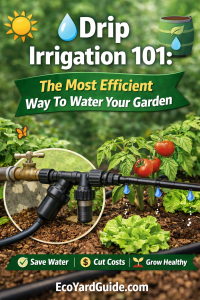
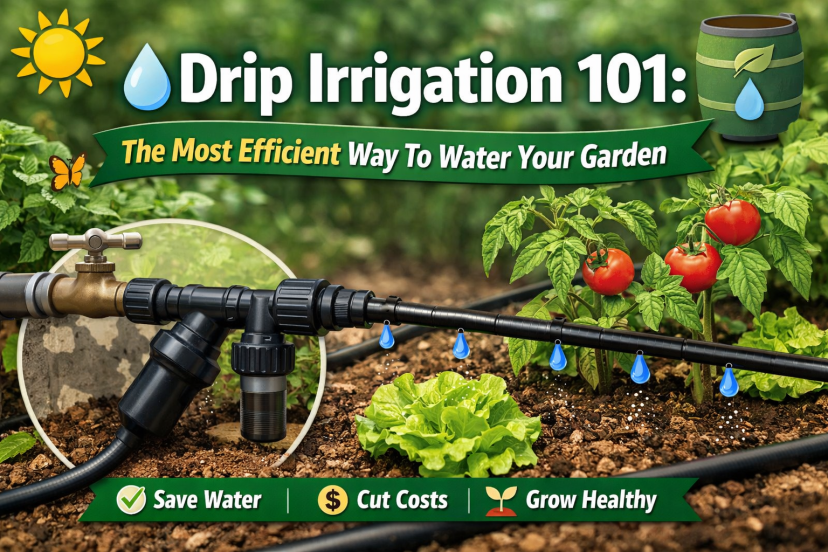
Drip irrigation is a low-pressure watering method that slowly delivers water directly to the soil near plant roots. Instead of spraying water across large areas, it uses tubing, emitters, and connectors to control exactly where and how much water is released.
🔧 How Drip Irrigation Systems Deliver Water
-
The main supply line connects to your outdoor faucet or irrigation valve
-
Narrow tubing runs along garden beds or rows
-
Emitters release water slowly at each plant location
-
Pressure regulators prevent overwatering
-
Filters keep debris from clogging the system
This precise approach makes drip irrigation for garden applications one of the most efficient methods available today.
🌿 Why Drip Irrigation Is A Water-Saving Irrigation Solution
Traditional sprinklers can waste up to 50% of water through evaporation and overspray. Drip systems, on the other hand, are designed to conserve every drop.
✅ Key Water-Saving Benefits
-
Reduces evaporation by keeping water close to the soil
-
Prevents runoff on slopes or compacted soil
-
Delivers moisture only where plants need it
-
Uses up to 60% less water than sprinklers
-
Supports consistent soil moisture levels
For homeowners building an eco watering system, drip irrigation aligns perfectly with sustainability goals while keeping plants thriving.
🌱 Benefits Of Drip Irrigation For Garden Health
Beyond saving water, drip irrigation improves overall plant performance.
🌼 Healthier Plants And Soil
-
Encourages deep root growth
-
Reduces fungal disease by keeping leaves dry
-
Prevents soil erosion
-
Maintains balanced moisture levels
-
Improves nutrient absorption
Because water is applied slowly, plants experience less stress — especially during hot U.S. summers when evaporation rates are highest.
🔧 Step-By-Step Guide To Installing Drip Irrigation For Garden Use
Installing a drip system is one of the most beginner-friendly DIY yard projects. Most homeowners can complete installation in a single afternoon.
🛠️ Step 1: Plan Your Garden Layout
-
Identify plant groupings by water needs
-
Measure garden beds and rows
-
Mark plant spacing
-
Decide where the tubing will run
Grouping plants with similar water needs is essential for an efficient eco-watering system.
💧 Step 2: Choose The Right Drip Irrigation Components
-
Main supply tubing (½-inch recommended)
-
Drip emitters or drip tape
-
Pressure regulator
-
Backflow preventer
-
Inline filter
-
End caps and connectors
Many U.S. home improvement stores sell starter kits specifically designed for drip irrigation for garden beds.
🔧 Step 3: Connect To Your Water Source
-
Attach the backflow preventer to the outdoor faucet
-
Add a pressure regulator
-
Install filter
-
Connect the main tubing
This setup protects your system and ensures even water flow.
🌱 Step 4: Lay Out Tubing And Emitters
-
Run tubing along plants
-
Secure with landscape stakes
-
Insert emitters near root zones
-
Cap tubing ends
Emitters typically release 0.5–2 gallons per hour, depending on plant needs.
⏱️ Step 5: Test And Adjust Flow
-
Turn on the water slowly
-
Check for leaks
-
Adjust emitter placement
-
Confirm even watering
Fine-tuning ensures your water-saving irrigation system performs at peak efficiency.

💧 Drip Irrigation Vs Traditional Sprinklers
Understanding the difference helps homeowners choose wisely.
🌿 Comparison Overview
-
Sprinklers spray water broadly
-
Drip irrigation targets root zones
-
Sprinklers waste water through evaporation
-
Drip systems reduce weed growth
-
Sprinklers increase leaf disease risk
-
Drip irrigation improves soil health
For sustainable landscapes, drip irrigation for garden systems clearly outperform traditional methods.
☀️ Eco-Friendly Enhancements For Drip Irrigation Systems
You can take sustainability even further by pairing drip irrigation with eco upgrades.
🌎 Sustainable Add-Ons To Consider
-
Rain barrel integration
-
Solar-powered irrigation timers
-
Smart moisture sensors
-
Organic mulch layering
-
Compost-enriched soil
These additions transform a simple setup into a complete eco watering system.
🌱 Watering Schedules That Save Water And Money
Smart scheduling prevents waste and supports plant health.
⏰ Best Practices For U.S. Climates
-
Water early morning to reduce evaporation
-
Adjust frequency during rainy weeks
-
Increase duration during heatwaves
-
Reduce watering in fall and winter
Many U.S. municipalities now encourage drip irrigation as part of local water conservation initiatives.
🔍 Common Mistakes To Avoid With Drip Irrigation
Even efficient systems can fail if installed incorrectly.
❌ Avoid These Errors
-
Overwatering with too many emitters
-
Skipping pressure regulators
-
Ignoring clogged filters
-
Mixing plants with different water needs
-
Forgetting seasonal adjustments
Regular system checks keep your drip irrigation for garden setup running smoothly.
👷 When To Consult A Professional
While most drip irrigation projects are DIY-friendly, professional help may be needed if:
-
Your yard has steep slopes or poor drainage
-
You’re integrating rainwater harvesting
-
You’re upgrading a large landscape
-
Local water regulations require permits
-
You want smart irrigation automation
A licensed landscaper or eco-contractor can ensure your water-saving irrigation system meets regional codes and performs efficiently.
❓ FAQs About Drip Irrigation For Garden Use
💧 1. Is drip irrigation good for vegetable gardens?
Yes. Drip irrigation delivers consistent moisture directly to roots, improving yields while reducing disease risk.
🌱 2. How much water does drip irrigation save?
Most systems reduce water use by 30–60% compared to traditional sprinklers.
🔧 3. Can drip irrigation be installed without digging?
Yes. Most systems are surface-installed and require minimal soil disturbance.
☀️ 4. Does drip irrigation work in hot climates?
Absolutely. It performs especially well in hot U.S. regions by minimizing evaporation.
🌎 5. Can drip irrigation be connected to rain barrels?
Yes. With proper filtration and a gravity-fed design, rainwater works well.
⏱️ 6. How long should drip irrigation run?
Typical schedules range from 30 minutes to 2 hours, depending on soil and plant type.
🌿 7. Is drip irrigation expensive?
Starter kits are affordable, and long-term water savings often offset initial costs.
🌱 Conclusion: A Smarter Way To Water Your Yard
Choosing drip irrigation for garden use is one of the most impactful upgrades you can make for your yard and the planet. It saves water, lowers utility bills, supports healthier plants, and aligns perfectly with eco-conscious living.
By installing a water-saving irrigation system and enhancing it with sustainable practices, you’re not just watering plants — you’re building a smarter, greener outdoor space that works in harmony with nature.
Small changes in how we water can lead to big environmental wins.
⚠️ Disclaimer
This article is for educational purposes only. Always follow local regulations, manufacturer instructions, and basic DIY safety guidelines. Water usage laws and rebate programs vary by state and municipality.
 Explore more:
- Wildlife Water Stations: How To Help Birds
- How To Create A Water-Smart Yard
- Permeable Landscaping: Smart Yard Surfaces That Save Money