Solar Panels For Garden Shed: How To Power Your Shed Sustainably In 2026
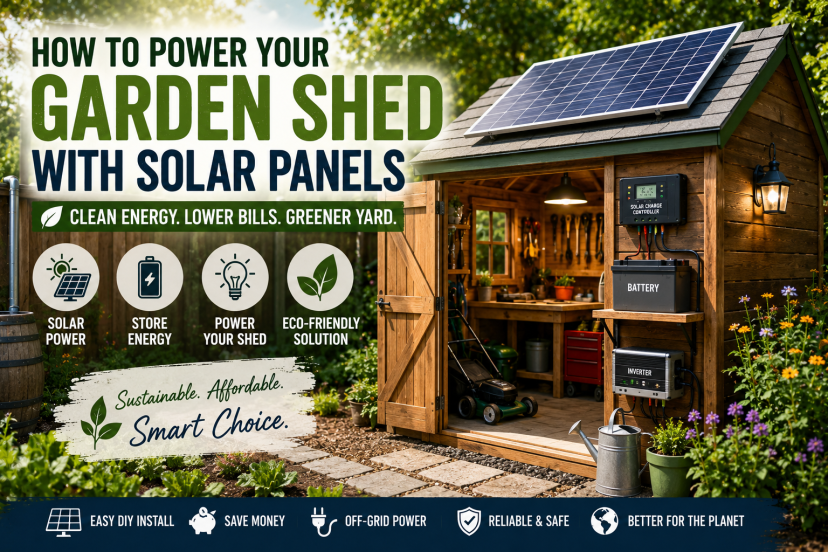
A garden shed is no longer just a place to store tools. Many homeowners now use their sheds as workshops, hobby spaces, home offices, potting sheds, or charging stations for lawn equipment. If your shed doesn’t have electricity—or running power would be expensive—solar energy offers an affordable and environmentally friendly solution.
Installing solar panels for garden shed projects can help reduce utility costs, lower your carbon footprint, and provide reliable electricity for lighting, charging batteries, running small appliances, and powering garden equipment. Thanks to more efficient solar technology and lower equipment costs, building a solar-powered shed has never been easier.
Whether you’re looking for a simple weekend DIY project or a more advanced off-grid setup, this guide explains everything you need to know about powering your garden shed with solar panels.
⭐ Quick Answer
The easiest way to install solar panels for garden shed is by mounting solar panels on the shed roof, connecting them to a charge controller, battery, and inverter (if AC power is needed), and safely wiring your lights or equipment. A properly sized solar system can power lighting, battery chargers, fans, small tools, and other low-energy devices without relying on your home’s electrical system.
☀️ Why Choose Solar Panels For A Garden Shed?
Solar energy is an excellent option for backyard sheds because it provides electricity without the expense of trenching underground electrical lines.
Benefits include:
- 💲 Lower electricity costs
- 🌎 Reduced environmental impact
- ⚡ Off-grid power
- 🔋 Reliable battery backup
- 🔧 Low maintenance
- 🏡 Increased property appeal
Many homeowners find solar especially useful for sheds located far from the house.
🌿 What Can Solar Panels Power In A Garden Shed?
A properly designed system can power many everyday items.
Examples include:
- LED lighting
- Battery chargers
- Cordless tool chargers
- Small fans
- Security cameras
- Wi-Fi extenders
- Water pumps
- Small refrigerators
- Garden automation systems
- Laptop computers
Larger appliances require larger systems with more battery capacity.
🔋 Components Needed For Solar Panels For Garden Shed
Every solar shed system includes several basic components.
Solar Panels
Solar panels capture sunlight and generate electricity.
Popular residential panel sizes include:
- 100 watts
- 200 watts
- 300 watts
- 400 watts
Roof size and energy needs determine the best option.
Charge Controller
A charge controller regulates electricity flowing into the batteries.
It helps:

- Prevent overcharging
- Protect batteries
- Improve system efficiency
MPPT charge controllers generally provide better performance than PWM controllers, especially in varying weather conditions.
Battery Storage
Batteries store energy for nighttime or cloudy days.
Common choices include:
- Lithium iron phosphate (LiFePO4)
- AGM batteries
- Deep-cycle lead-acid batteries
Lithium batteries offer longer life and require less maintenance.
Power Inverter
If you need standard household outlets, an inverter converts battery power into AC electricity.
For lighting and USB charging only, an inverter may not be necessary if using DC-compatible equipment.
🏡 How To Size Your Solar Shed System
Choosing the correct system size begins with understanding your daily electricity usage.
Step 1: List Your Devices
For example:
- Four LED lights
- Battery charger
- Laptop
- Small fan
Step 2: Estimate Daily Energy Use
Calculate:
Watts × Hours Used = Watt-hours
Example:
- LED lights: 40 watts × 5 hours = 200 Wh
- Fan: 50 watts × 4 hours = 200 Wh
- Charger: 80 watts × 2 hours = 160 Wh
Daily total = 560 watt-hours.
Step 3: Select Panel Capacity
Your location’s average sunlight affects solar production.
Many U.S. regions receive 4–6 peak sun hours per day, although this varies by season and location.
Always size your system with extra capacity for cloudy days and future expansion.
🔨 How To Install Solar Panels For Garden Shed
Many homeowners with basic DIY skills can install smaller solar systems.
1. Choose The Best Roof Location
Install panels where they receive:
- Maximum sunlight
- Minimal shade
- Southern exposure when possible (in the Northern Hemisphere)
Avoid trees that may cast shadows during the day.
2. Install Mounting Hardware
Secure mounting brackets according to the manufacturer’s instructions.
Ensure the roof structure can safely support the equipment.
3. Mount The Solar Panels
Position panels securely and verify proper alignment before tightening all hardware.
4. Connect The Charge Controller
Use appropriately sized outdoor-rated wiring.
Follow manufacturer instructions carefully.
5. Install Batteries
Place batteries:
- Indoors when recommended
- In ventilated locations
- Away from moisture
- Protected from extreme temperatures
6. Connect The Inverter
Install the inverter close to the batteries while maintaining proper ventilation.
7. Test The System
Before plugging in equipment:
- Verify battery charging
- Test voltage
- Confirm inverter operation
- Check all connections
💡 Energy-Saving Tips For Solar Garden Sheds
Reducing electricity use allows smaller and less expensive solar systems.
Choose:
- LED lighting
- Energy-efficient fans
- Rechargeable cordless tools
- Motion sensor lights
- Smart timers
- USB-powered equipment
The less electricity you use, the fewer solar panels you’ll need.
🌎 Eco-Friendly Benefits Of Solar Garden Sheds
Installing solar panels for garden shed projects provides several environmental benefits.

These include:
- Lower greenhouse gas emissions
- Reduced dependence on fossil fuels
- Cleaner renewable energy
- Quiet operation
- Reduced long-term utility costs
Solar power also pairs well with other sustainable backyard improvements such as rainwater harvesting, composting, and native landscaping.
🌱 Additional Sustainable Backyard Upgrades
Create an even greener outdoor space by combining solar energy with other eco-friendly improvements.
Ideas include:
- 🌧️ Rain barrels for irrigation
- 🌼 Pollinator gardens
- 🍂 Compost bins
- ♻️ Recycled-material raised beds
- 💧 Drip irrigation systems
- 🌿 Native plants that require less watering
- 🔋 Solar-powered pathway lighting
These upgrades help reduce water use, lower maintenance, and support local wildlife.
💰 How Solar Panels Save Money
Although solar systems require an initial investment, long-term savings can be substantial.
Savings come from:
- Lower utility bills
- No trenching electrical lines
- Reduced extension cord use
- Longer-lasting LED lighting
- Lower maintenance costs
Some homeowners may also qualify for federal or state clean energy incentives depending on the type of installation and current regulations. Always verify eligibility before beginning a project.
👷 When To Consult A Professional
Small solar kits are often suitable for experienced DIY homeowners. However, professional assistance is recommended if you are:
- Installing large solar arrays
- Connecting the shed to your home’s electrical panel
- Running underground electrical wiring
- Designing high-capacity battery systems
- Installing rooftop solar on complex structures
- Unsure about electrical safety or local building codes
A licensed solar installer or qualified electrician can help ensure your system is safe, efficient, and code-compliant.
❓ FAQs: Solar Panels For Garden Shed
1. Can solar panels fully power a garden shed?
Yes. A properly sized system can power lighting, battery chargers, fans, security equipment, and many small appliances.
2. How many solar panels do I need for my shed?
It depends on your energy usage. Small sheds often require one or two panels, while workshops with larger equipment may need additional panels and batteries.
3. Do I need batteries for a solar-powered shed?
If you want electricity at night or during cloudy weather, battery storage is recommended.
4. Can I install solar panels on a small shed roof?
Yes. Many compact solar panels are specifically designed for sheds, garages, cabins, and other small buildings.
5. Are solar garden shed systems difficult to maintain?
No. Solar panels generally require occasional cleaning and periodic inspections to ensure wiring and hardware remain secure.
6. Do solar panels work during winter?
Yes. Solar panels still produce electricity in winter as long as they receive sunlight, although shorter days and snow coverage may reduce output.
7. Do I need a permit for a solar shed?
Permit requirements vary by state, county, and municipality. Always check with your local building department before beginning installation.
🎯 Final Thoughts
Installing solar panels for garden shed projects is one of the smartest ways to create an efficient, eco-friendly backyard workspace. Whether you need simple lighting, battery charging, or power for a hobby workshop, modern solar systems offer reliable performance while reducing electricity costs and environmental impact.
Combined with other sustainable landscaping practices like rainwater harvesting, composting, and native planting, solar energy can transform your garden shed into a practical, low-maintenance, and environmentally responsible addition to your home. Every step toward renewable energy helps build a greener future while making your outdoor space more enjoyable and self-sufficient.
Disclaimer: This article is intended for informational purposes only. Solar installation, electrical work, and permitting requirements vary by location. Always follow manufacturer instructions, use appropriate safety equipment, and consult a licensed electrician or solar professional for complex installations or code-related questions.
 Explore more: