Natural Pest Control For Eco-Friendly Yards (Without Toxic Chemicals)
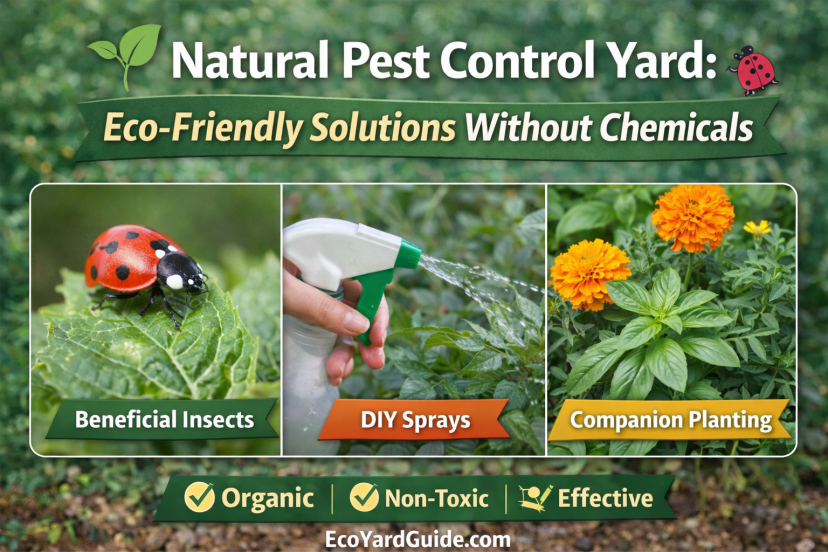
🌿 A Healthier Way To Protect Your Yard
For many eco-conscious homeowners, pest control feels like a frustrating trade-off. You want to protect your plants and lawn, but you don’t want to spray harsh chemicals that harm pollinators, contaminate soil, or put kids and pets at risk.
The good news? You don’t have to.
Creating a natural pest control yard is not only possible — it’s often more effective in the long run. By working with nature instead of against it, you can reduce pests, strengthen plants, and build a healthier ecosystem that largely manages itself.
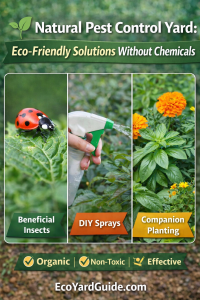
From companion planting to DIY sprays and encouraging helpful bugs, this guide covers proven organic pest solutions that support a thriving, non-toxic yard pest control system.
🐛 Why Traditional Pest Control Creates Bigger Problems
Chemical pesticides may provide quick results, but they often cause long-term damage.
⚠️ Problems With Conventional Pesticides
-
Kill beneficial insects along with pests
-
Contaminate soil and groundwater
-
Create pesticide-resistant pests
-
Harm birds, pets, and pollinators
-
Disrupt natural ecosystems
That’s why more homeowners are turning to natural pest control yard strategies that protect plants and the environment.
🌱 How Natural Pest Control Works
Natural pest control focuses on balance, not elimination.
Instead of wiping out all insects, eco-friendly methods aim to:
-
Reduce pest populations naturally
-
Strengthen plant defenses
-
Encourage predators that eat pests
This approach creates long-term backyard ecosystem stability rather than constant pest outbreaks.
🌼 Benefits Of A Natural Pest Control Yard
Switching to non-toxic methods benefits more than just your plants.
✅ Key Benefits
-
Safer for children and pets
-
Protects pollinators
-
Improves soil health
-
Reduces chemical runoff
-
Saves money over time
A well-designed natural pest control yard becomes stronger with each growing season.
🌿 Companion Planting: Nature’s Built-In Pest Defense
Companion planting uses specific plant pairings to deter pests naturally.
🌱 How Companion Planting Helps
-
Confuses pest insects
-
Repels pests with scent
-
Attracts beneficial insects
-
Improves plant health
It’s one of the simplest organic pest solutions available.
🌼 Best Companion Plants For Pest Control
-
Basil → repels mosquitoes and flies
-
Marigolds → deter nematodes and aphids
-
Lavender → repels moths and beetles
-
Chives → protect carrots and tomatoes
-
Nasturtiums → trap aphids away from crops
Used correctly, companion planting strengthens any non-toxic yard pest control plan.
🐞 Beneficial Insects: Your Natural Pest Control Team
Not all bugs are bad. Some are essential allies.
🐝 Common Beneficial Insects
-
Ladybugs → eat aphids
-
Lacewings → control mites and thrips
-
Ground beetles → hunt soil pests
-
Parasitic wasps → control caterpillars
Encouraging beneficial insects reduces the need for sprays entirely.
🌱 How To Attract Beneficial Insects
-
Plant native flowering plants
-
Avoid chemical pesticides
-
Provide shallow water sources
-
Leave small natural areas undisturbed
This strategy is foundational for a successful natural pest control yard.
🔧 DIY Natural Pest Control Sprays (Safe & Effective)
Homemade sprays can stop pest outbreaks without toxic residue.
💧 Simple Soap Spray (Aphids & Mites)
Ingredients:
-
1 tsp mild liquid soap
-
1 quart of water
How To Use:
-
Spray directly on pests
-
Avoid spraying in direct sunlight
-
Test on a small area first
🌶️ Garlic & Pepper Spray (Chewing Insects)
Ingredients:
-
1 garlic bulb
-
1 tsp cayenne pepper
-
1 quart of water
This spray deters pests while staying aligned with organic pest solutions.
🌱 Pest-Resistant Plants That Protect Your Yard
Some plants naturally resist pests better than others.
🌿 Pest-Resistant Plant Examples
-
Rosemary
-
Sage
-
Yarrow
-
Coneflower
-
Mint (container-grown)
Including these plants strengthens your non-toxic yard pest control strategy.
💧 Healthy Soil = Fewer Pests
Strong plants are less attractive to pests.
🌱 Soil Health Tips
-
Add compost annually
-
Avoid synthetic fertilizers
-
Mulch regularly
-
Encourage earthworms
Healthy soil supports resilient plants, which reduces pest pressure naturally.
☀️ Smart Watering Reduces Pest Problems
Overwatering creates ideal conditions for pests and disease.
💦 Watering Best Practices
-
Water early in the morning
-
Use drip irrigation
-
Avoid wetting leaves
-
Match watering to plant needs
Water-smart habits support long-term natural pest control yard success.

🏡 Non-Toxic Yard Pest Control For Common Pests
🐜 Ants
-
Remove food sources
-
Use diatomaceous earth
-
Seal entry points
🐌 Slugs & Snails
-
Copper barriers
-
Hand removal at night
-
Encourage natural predators
🦟 Mosquitoes
-
Eliminate standing water
-
Use native plants
-
Add mosquito-eating insects
These solutions align with eco-friendly organic pest solutions.
🌎 U.S.-Specific Eco Pest Control Considerations
Many U.S. states now encourage reduced pesticide use.
🇺🇸 Helpful Trends
-
Pollinator protection laws
-
Water-quality regulations
-
Native plant incentives
-
Organic landscaping programs
A natural pest control yard supports these sustainability goals.
👷 When To Consult A Professional
While most natural pest control is DIY-friendly, expert help may be useful if:
-
You have severe infestations
-
Pests threaten structural safety
-
Invasive species are present
-
Local regulations restrict treatments
Eco-focused landscapers can recommend compliant, non-toxic yard pest control options.
❓ FAQs About Natural Pest Control
🌱 1. Does natural pest control really work?
Yes. It works best long-term by restoring balance instead of relying on chemicals.
🐞 2. How long does it take to see results?
Some methods work immediately, while others improve effectiveness over weeks.
💧 3. Are DIY sprays safe for pets?
Most are, but always test first and avoid spraying pet areas directly.

🌼 4. Will beneficial insects leave my yard?
They stay as long as food and habitat remain available.
☀️ 5. Can I use natural pest control on lawns?
Yes. Healthy soil, proper mowing, and natural predators reduce lawn pests.
🌿 6. Is organic pest control more expensive?
Usually not. Many solutions cost less than chemical products over time.
🏡 7. Can I mix natural and chemical methods?
It’s best to avoid chemicals, as they disrupt beneficial insects.
🌿 Conclusion: A Healthier Yard Starts With Natural Choices
Building a natural pest control yard isn’t about perfection — it’s about progress. By choosing organic methods, supporting beneficial insects, and strengthening your soil, you create a yard that naturally resists pests while protecting people, pets, and the planet.
Small changes add up. Every chemical-free choice brings your yard closer to balance and sustainability.
Nature already has the tools — you just need to let them work.
⚠️ Disclaimer
This article is for educational purposes only. Always follow local regulations, safety guidelines, and manufacturer instructions. Pest management laws vary by state and municipality.

 Explore more:
- Permeable Landscaping: Reduce Runoff And Save Water
- Eco-Friendly Mulching Tips to Improve Soil Health
- Natural Lawn Alternatives That Save Water & Time