Eco-Friendly Yard Materials: What to Use & Avoid for a Greener Outdoor Space
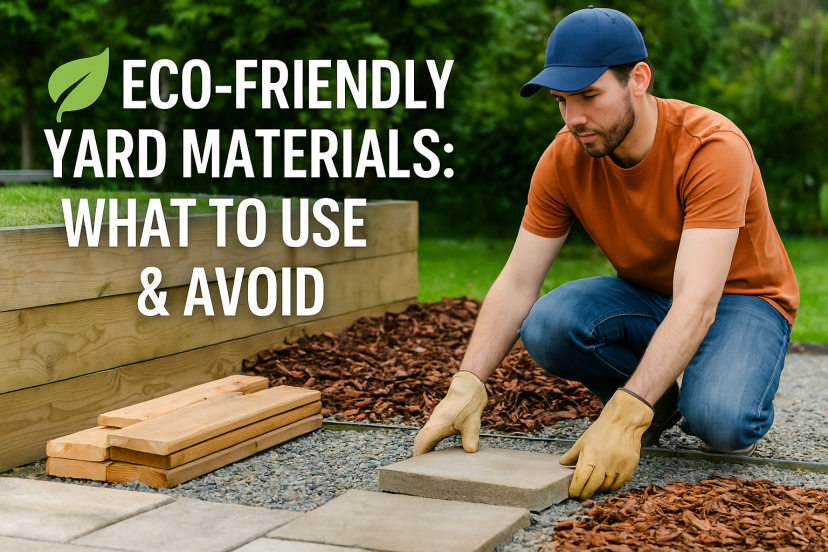
🌍 Smarter Materials for a Greener Home
More homeowners than ever are searching for ways to save money, reduce waste, and live more sustainably—starting right outside their front door. With rising energy costs, water restrictions, and growing health concerns over toxic landscaping products, the materials you choose for your yard matter more than ever.
That’s why eco friendly yard materials are becoming the foundation of modern outdoor design. From sustainable hardscaping to non-toxic yard supplies and green landscaping materials, the right choices protect your family, conserve resources, and support long-term environmental health.
In this guide, you’ll learn exactly what materials to use, what to avoid, and how to compare pavers, reclaimed wood, permeable surfaces, and recycled materials for a truly sustainable yard.
✅ Why Eco Friendly Yard Materials Matter
Traditional landscaping materials often come with hidden costs:
-
Toxic chemical runoff
-
Soil contamination
-
Heat buildup
-
Short lifespans
-
High replacement costs
By switching to eco friendly yard materials, you gain powerful benefits:
✅ Lower environmental footprint
✅ Improved soil and drainage
✅ Safer spaces for kids and pets
✅ Reduced long-term costs
✅ Improved curb appeal
✅ Higher property value
According to the EPA, outdoor hardscapes significantly influence stormwater runoff and local water pollution, making responsible material selection a major sustainability win.
🌿 What Makes a Yard Material Truly Eco-Friendly?
Not every product labeled “green” is actually sustainable. True green landscaping materials share these traits:
-
Low environmental impact
-
Recycled or renewable content
-
Non-toxic composition
-
Long lifespan
-
Low maintenance needs
-
Local sourcing when possible
If a material requires constant chemical sealing, releases toxins, or ends up in landfills within a few years, it’s not truly eco-friendly.
🧱 Sustainable Hardscaping: Pavers, Stone & Permeable Surfaces
Hardscaping forms the bones of your yard—patios, walkways, driveways, and retaining walls. Choosing sustainable options here delivers the biggest environmental payoff.
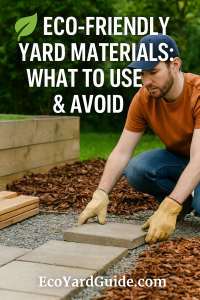
✅ Permeable Pavers (Best Overall Choice)
Permeable pavers allow rainwater to pass through the surface into the soil below.
✅ Benefits:
-
Reduces flooding
-
Supports groundwater recharge
-
Prevents soil erosion
-
Works with rainwater harvesting systems
Common permeable paver types:
-
Concrete grid pavers
-
Porous brick
-
Interlocking stone systems
💧 Bonus: Some cities offer stormwater fee reductions for installing permeable hardscape.
✅ Natural Stone (Longevity & Safety)
Stone lasts for decades and contains no harmful chemicals.
✅ Best natural stone options:

-
Limestone
-
Flagstone
-
Granite
-
Slate
✅ Why stone is eco smart:
-
No off-gassing
-
Extremely durable
-
Low maintenance
-
Fully recyclable
❌ What to Avoid in Hardscaping
❌ Asphalt (heat-trapping, petroleum-based)
❌ Sealed concrete with chemical treatments
❌ Plastic-based paving tiles
❌ Rubber pavers made from unknown sources
These materials contribute to heat islands, toxic runoff, and environmental breakdown.
🌲 Reclaimed Wood: One of the Best Eco Friendly Yard Materials
Reclaimed wood repurposes old lumber from barns, factories, pallets, and demolition projects.
✅ Benefits:
-
Prevents deforestation
-
Keeps materials out of landfills
-
Naturally aged and durable
-
Adds rustic curb appeal
Common uses:
-
Garden beds
-
Fences
-
Pergolas
-
Decking
-
Raised planters
♻️ Using reclaimed lumber is one of the most impactful forms of green landscaping materials.
❌ Treated Lumber to Avoid
Many pressure-treated woods contain harmful preservatives:
❌ Chromated copper arsenate (CCA)
❌ Creosote
❌ Petroleum-based sealants
These chemicals leach into soil and contaminate groundwater—especially dangerous in vegetable gardens.
🌾 Recycled Materials for Sustainable Landscaping
Innovative eco friendly yard materials now include a wide range of safe recycled products.
✅ Smart recycled material options:

-
Recycled composite decking
-
Reclaimed brick
-
Recycled glass gravel
-
Crushed concrete base
-
Repurposed steel edging
These reduce landfill waste while extending material life cycles.
☀️ Non-Toxic Yard Supplies: What to Use for Safety
Chemical exposure is one of the most overlooked risks in traditional landscaping. Safer non-toxic yard supplies drastically reduce this danger.
✅ Safe alternatives include:
-
Vinegar-based weed control
-
Neem oil pest deterrents
-
Organic fertilizers
-
Compost-based soil enhancers
-
Essential oil repellents
✅ Healthy yard = Healthy family
These products protect children, pets, pollinators, and soil bacteria.
🌱 Eco Friendly Yard Materials for Garden Beds
Raised beds and garden borders must remain toxin-free—especially for edible plants.
✅ Best materials:
-
Untreated cedar
-
Reclaimed redwood
-
Natural stone
-
Brick without chemical sealants
-
Galvanized steel (food-safe rated)
❌ Avoid:
-
Railroad ties
-
Tarp-lined plastic beds
-
Old treated fence boards
💧 Permeable Surfaces for Driveways & Paths
Impermeable surfaces are one of the biggest contributors to runoff pollution.

✅ Sustainable permeable options:
-
Gravel paths
-
Grass pavers
-
Interlocking permeable stone
-
Crushed shell walkways
These help your yard act as a natural water filter.
🔋 Eco Friendly Yard Materials & Energy Efficiency
Your material choices influence energy use:
✅ Light-colored stone reflects heat
✅ Pergolas made from reclaimed wood reduce cooling needs
✅ Permeable surfaces reduce radiant heat buildup
✅ Solar-mounted hardscape lighting eliminates wiring needs
Pair these with solar yard lighting for maximum savings.
💰 Cost Comparison: Eco vs Traditional Yard Materials
| Material Type | Short-Term Cost | Long-Term Cost |
|---|---|---|
| Concrete | Low | High (cracking, sealing) |
| Asphalt | Low | Very high (resurfacing) |
| Stone | Moderate | Very low |
| Reclaimed wood | Low–Moderate | Very low |
| Permeable pavers | Moderate | Very low |
Over 10–20 years, eco friendly yard materials consistently outperform traditional options financially.
🛠️ DIY Installation Tips for Eco Materials
🔧 Installation best practices:
-
Always level permeable bases with crushed stone
-
Use landscape fabric under gravel paths
-
Seal reclaimed wood with natural oil, not synthetic sealants
-
Slope hardscape away from foundations
-
Allow expansion gaps for stone surfaces
DIY installation saves labor costs while increasing sustainability.

🌎 Sustainable Material Selection by Yard Zone
🌿 Front Yard
-
Stone walkways
-
Native mulch zones
-
Permeable edging
🧩 Side Yard
-
Recycled gravel
-
Steel garden borders
-
Rainwater channels
🌟 Backyard
-
Reclaimed wood decks
-
Composite pergolas
-
Permeable patios
Strategic placement maximizes the performance of sustainable hardscaping.
🛑 When to Consult a Professional
Seek expert guidance when:
-
Installing load-bearing permeable driveways
-
Building retaining walls over 3 feet
-
Coordinating yard materials with solar installs
-
Managing drainage or erosion issues
-
Applying for energy or water-saving rebates
Certified eco-landscapers ensure safety and code compliance.
❓ FAQs About Eco Friendly Yard Materials
1. What are the best eco friendly yard materials?
Permeable pavers, reclaimed wood, natural stone, and recycled composites lead the list.
2. Are recycled materials safe for gardens?
Yes—when properly certified and free of harmful coatings.
3. Do eco materials cost more upfront?
Sometimes slightly—but they save money long-term through durability and low maintenance.
4. Are green landscaping materials really non-toxic?
Certified eco products avoid harmful preservatives and VOCs.
5. Can eco yard materials increase home value?
Yes—buyers highly value sustainable outdoor spaces.
6. Are permeable driveways strong enough?
Modern permeable pavers are rated for residential vehicle loads.
7. Do non-toxic yard supplies actually work?
Yes—organic pest control and fertilizers are proven effective when used correctly.
✅ Conclusion: The Materials You Choose Shape the Future of Your Yard
Every stone, board, and surface in your yard tells a sustainability story. By choosing eco friendly yard materials, investing in sustainable hardscaping, switching to non-toxic yard supplies, and embracing green landscaping materials, you build an outdoor space that protects your family, supports wildlife, and reduces long-term costs.
You don’t need to replace everything at once. Start small:
-
One reclaimed wood planter
-
One permeable walkway
-
One stone garden border
Each eco upgrade strengthens your yard and your environmental footprint.
Your yard can be beautiful, durable, and sustainable—at the same time. 🌱
⚠️ Disclaimer
This article is for educational purposes only. Local building codes, HOA rules, and climate conditions may affect material use. Always consult licensed professionals for structural installations and rebate eligibility.
 Explore more:
- Permeable Landscaping: Reduce Runoff And Save Water
- Eco-Friendly Mulching Tips to Improve Soil Health
- Natural Pest Control For Eco-Friendly Yards