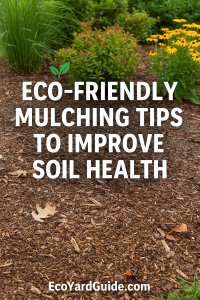
Eco-Friendly Mulching Tips to Improve Soil Health (Save Water, Time & Money)
🌍 Why Eco-Conscious Homeowners Are Turning to Mulch
Saving money, cutting waste, and living more sustainably are no longer just trends—they’re becoming everyday priorities for homeowners across the U.S. Rising water costs, soil depletion, and chemical runoff are pushing families to rethink how they care for their yards and gardens.
One of the simplest and most powerful tools for sustainable landscaping is eco friendly mulch. Mulch works quietly under the surface—locking in moisture, feeding the soil, suppressing weeds, and protecting plant roots from heat and cold. Best of all, it does this using natural mulch options and sustainable mulch materials that often come from recycled or renewable sources.
In this guide, you’ll learn exactly how to use organic mulch the right way, compare wood chips, leaves, straw, and compost, avoid common mulching mistakes, and build healthier soil that supports long-term sustainability.
💧 Why Healthy Soil Needs Eco Friendly Mulch
Before diving into mulch types, it helps to understand why soil health matters so much.
Healthy soil:
-
Retains moisture longer
-
Feeds plant roots naturally
-
Resists erosion
-
Supports beneficial microbes
-
Reduces fertilizer and water needs
Without protection, bare soil quickly dries out, compacts, and loses nutrients—especially in hot U.S. climates. This leads to higher watering bills, struggling plants, and more pest pressure.
That’s where eco friendly mulch becomes essential. It forms a protective barrier between soil and harsh weather while improving soil structure over time.
✅ Benefits of Eco Friendly Mulch for Sustainable Yards
Using the right mulch delivers powerful environmental and financial benefits.
✅ Key Benefits
-
Reduces water use: Mulch can cut watering needs by up to 50%
-
Builds soil organically: Feeds beneficial microbes and earthworms
-
Suppresses weeds naturally: Blocks sunlight from weed seeds
-
Protects roots: Stabilizes soil temperatures
-
Improves curb appeal: Clean, finished garden appearance
-
Cuts chemical use: Reduces need for synthetic fertilizers and herbicides
According to the USDA, mulching is one of the most effective ways to improve soil moisture efficiency in home landscapes.
🌿 What Makes Mulch “Eco Friendly”?
Not all mulch is created equal. Eco friendly mulch refers to materials that are:
-
Renewable
-
Biodegradable
-
Chemical-free
-
Locally sourced when possible
-
Beneficial to soil biology
These materials break down naturally and return nutrients to the earth—unlike dyed rubber mulch or plastic landscaping fabrics that pollute soil over time.
🌲 Organic Mulch vs Inorganic Mulch
Understanding this difference helps you build a truly sustainable yard.
🌱 Organic Mulch
Breaks down naturally and improves soil:
-
Wood chips
-
Bark
-
Leaves
-
Straw
-
Compost
-
Pine needles
🪨 Inorganic Mulch
Does not decompose:
-
Gravel
-
Rubber mulch
-
Landscape fabric
✅ For soil health and sustainability, organic mulch always wins.
🍂 Natural Mulch Options Compared (Pros & Cons)
Now let’s compare the most popular natural mulch options used in eco-friendly landscapes.
🌲 Wood Chips & Shredded Bark
One of the most widely used sustainable mulch materials.
Pros:
-
Long-lasting
-
Excellent weed suppression
-
Improves soil as it breaks down
-
Often free from local tree services
Cons:
-
Can temporarily tie up nitrogen
-
Takes longer to decompose
✅ Best for: Trees, shrubs, pathways, perennial beds
🍁 Leaves (Leaf Mulch)
Fallen leaves are one of the most underrated organic mulch resources.
Pros:
-
Free and abundant
-
Boosts soil carbon
-
Encourages earthworms
-
Great insulation for winter
Cons:
-
Whole leaves can mat down
-
Needs shredding for best results
✅ Best for: Vegetable gardens, flower beds, winter soil protection
🌾 Straw
Lightweight and perfect for gardens.
Pros:
-
Excellent for moisture retention
-
Breaks down quickly
-
Ideal for vegetable beds
-
Very affordable
Cons:
-
Can blow away
-
Must be seed-free to prevent weeds
✅ Best for: Tomatoes, cucumbers, raised beds
🌱 Compost
Both mulch and fertilizer in one.
Pros:
-
Rich in nutrients
-
Improves soil structure
-
Feeds microbes naturally
-
Reduces food waste
Cons:
-
Needs replenishing often
-
Not ideal as a thick weed barrier alone
✅ Best for: Vegetable gardens and flower beds
🌲 Pine Needles
A natural option in many southern U.S. states.
Pros:
-
Slow to break down
-
Great for erosion control
-
Doesn’t compact
-
Naturally repels some pests
Cons:
-
Slightly acidic (not ideal for all plants)
✅ Best for: Blueberries, azaleas, slopes

🔧 How to Apply Eco Friendly Mulch the Right Way
Applying mulch correctly is just as important as choosing the right material.
✅ Proper Mulching Steps
-
Clear weeds first
-
Water the soil lightly
-
Apply 2–4 inches of mulch
-
Keep mulch 2 inches away from plant stems
-
Reapply once or twice per year
Too much mulch can suffocate roots and cause rot. Proper depth is critical.
🌡️ How Eco Friendly Mulch Saves Water & Energy
Mulch reduces evaporation by acting as an insulating layer over soil. In hot climates like Texas, Arizona, Nevada, and California, evaporation can destroy irrigation efficiency.
Eco friendly mulch helps:
-
Hold moisture longer
-
Reduce irrigation frequency
-
Prevent soil temperature spikes
-
Lower water and energy consumption
Many western states now promote mulching as part of water conservation landscaping rules.
🛑 Common Mulching Mistakes (And How to Avoid Them)
Even well-meaning homeowners make these mulching errors.
❌ Common Mistakes
-
Mulch piled against tree trunks (“volcano mulching”)
-
Mulch is applied too thickly
-
Using dyed or rubber mulch
-
Mixing diseased leaves
-
Skipping soil preparation
✅ Smart Fixes
-
Always leave a gap at the base of plants
-
Keep mulch under 4 inches thick
-
Use only natural mulch options
-
Shred leaves before applying
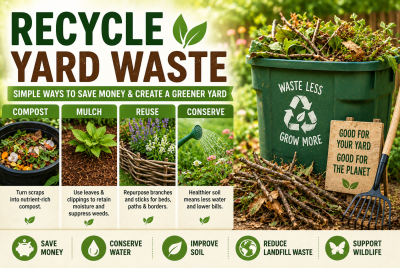
♻️ Sustainable Mulch Materials You Can Recycle at Home
Eco-friendly mulching doesn’t always require a store trip.
✅ Great DIY Mulch Sources
-
Shredded paper (under wood chips)
-
Grass clippings (thin layers)
-
Chopped leaves
-
Food-scrap compost
-
Small branches (chipped)
This keeps material out of landfills while nourishing your soil.

🌿 Eco Friendly Mulch for Different Yard Zones
🌸 Flower Beds
-
Compost + shredded bark
🌱 Vegetable Gardens
-
Straw or shredded leaves
🌳 Trees & Shrubs
-
Wood chips or pine needles
🏡 Walkways
-
Wood chips or bark nuggets
Each zone benefits from different sustainable mulch materials.
💰 How Mulching Saves Money Long-Term
Eco friendly mulch is one of the highest return investments in home landscaping.
You save money by:
-
Reducing watering bills
-
Eliminating chemical fertilizers
-
Minimizing weed killers
-
Extending plant lifespan
-
Lowering replacement costs
Homeowners using mulch typically reduce total garden maintenance costs by 30–60% annually.
🔆 How Mulching Supports Climate-Smart Landscaping
Mulch helps fight climate stress by:
-
Reducing soil carbon loss
-
Preventing erosion during storms
-
Cooling root zones during heatwaves
-
Improving drought resilience
Mulch works in synergy with:
-
Rain barrels
-
Drip irrigation
-
Native plant systems
-
Solar yard lighting
This creates a fully sustainable outdoor ecosystem.
🛠️ When to Consult a Professional
While mulching is DIY-friendly, seek professional help if:
-
Your property has steep slopes
-
You’re battling severe drainage problems
-
You’re managing mature tree systems
-
You plan to install irrigation with mulching
-
You’re applying for landscape conversion rebates
Certified eco-landscapers ensure soil safety, slope stability, and irrigation efficiency.
❓ FAQs About Eco Friendly Mulch
1. What is the best eco friendly mulch for home gardens?
Shredded leaves, compost, and wood chips are the most widely recommended.
2. How often should mulch be replaced?
Most organic mulch should be refreshed once per year.
3. Can I use grass clippings as eco friendly mulch?
Yes—apply in thin layers to prevent mildew.
4. Is colored mulch eco friendly?
Most dyed mulches contain chemicals and are not recommended for organic gardens.
5. Does mulch really reduce weeds?
Yes—by blocking light and preventing germination.
6. Can mulch attract pests?
Improperly applied mulch can cause problems, but correct spacing prevents infestations.
7. Does mulch help during drought restrictions?
Yes—mulch makes limited watering far more effective.
✅ Conclusion: Mulch Is One of the Smartest Sustainable Upgrades You Can Make
Using eco friendly mulch is one of the simplest, most affordable, and most powerful ways to improve soil health while reducing water use, chemical exposure, and maintenance stress. Whether you choose organic mulch, natural mulch options, or recycled sustainable mulch materials, the long-term payoff is undeniable.
You don’t need to overhaul your entire landscape in one season. Start with one bed. One tree. One garden row. Every layer of mulch you add strengthens your soil, protects your plants, and moves your home closer to true sustainability.
Healthy soil builds healthy gardens—and healthier homes. 🌱
⚠️ Disclaimer
This article is for informational purposes only. Local regulations, plant needs, and climate conditions vary. Always consult local extension offices or certified landscapers before making major landscaping changes.
 Explore more:
- Permeable Landscaping: Reduce Runoff And Save Water
- The Ultimate Guide to Eco Landscaping for Beginners
- Natural Lawn Alternatives That Save Water & Time