Sustainable Yard Design for Beginners: How to Plan and Build an Eco-Friendly Outdoor Space Step by Step
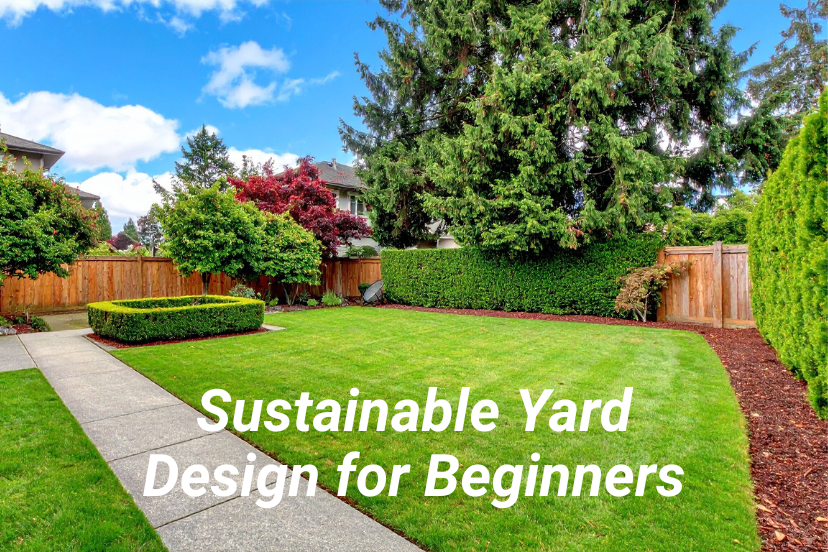
🌿 Design a Yard That Saves Money, Water, and the Planet
More homeowners across the U.S. are realizing that a beautiful yard doesn’t have to mean high water bills, chemicals, and constant maintenance. With rising utility costs, drought restrictions, and growing environmental awareness, sustainable yard design has become the smarter way to plan outdoor spaces.
If you want to:
-
✅ Save money on water and energy
-
✅ Reduce waste and chemical use
-
✅ Create a healthier space for your family
-
✅ Design once and maintain less
Then learning proper eco yard layout and green garden planning is the perfect place to start. This guide walks you through how to design your yard using sustainability principles—without requiring advanced skills or expensive materials.
❓ What Is Sustainable Yard Design? (Simple Beginner Definition)
Sustainable yard design means creating an outdoor space that works with nature instead of against it. Instead of forcing plants, water, and materials to perform unnaturally, you build your layout based on:
-
✅ Natural sunlight
-
✅ Rainfall patterns
-
✅ Soil conditions
-
✅ Native plant ecosystems
-
✅ Efficient water use
At its core, sustainable yard design blends smart planning with earth-friendly landscaping so your yard stays healthy with fewer resources over time.
💧 Why Sustainable Yard Design Matters More Than Ever
Traditional yard layouts often waste enormous amounts of resources.
✅ Environmental impact of traditional yards
-
✅ Lawns account for up to 60% of household water use in summer
-
✅ Gas-powered equipment pollutes as much as driving a car
-
✅ Chemical runoff contaminates groundwater
✅ Benefits of sustainable yard design
-
✅ Lower water and electricity bills
-
✅ Stronger soil and healthier plants
-
✅ Reduced yard maintenance
-
✅ Improved air and water quality
-
✅ Increased property value
With water-saving laws expanding in states like California, Arizona, and Texas, smart green garden planning is becoming essential—not optional.
☀️ Step 1: Observe Your Yard Before You Design Anything
Before planning paths, gardens, or patios, study what your yard already does naturally.
✅ Key conditions to observe
-
✅ Full sun vs shade zones
-
✅ Rainwater drainage paths
-
✅ Wind exposure
-
✅ Soil type and compaction
-
✅ Existing plants and trees
This step prevents expensive redesign mistakes and allows your eco yard layout to match natural patterns instead of fighting them.
✅ Step 2: Divide Your Yard Into Functional Zones
Zoning is a core principle in sustainable yard design. Instead of treating your yard as one large open area, you divide it into purpose-based zones.
✅ Common eco yard zones
-
✅ Living zone (patios, seating)
-
✅ Growing zone (vegetables, herbs, fruit trees)
-
✅ Habitat zone (pollinators, birds)
-
✅ Utility zone (compost, rain barrels, tool storage)
✅ Why zones improve sustainability
-
✅ Less wasted space
-
✅ More efficient irrigation
-
✅ Easier long-term maintenance
Zoning also improves visual flow and makes your yard feel larger and more organized.
🌼 Step 3: Choose Native and Climate-Smart Plants for Each Zone
Plant choice determines 70% of your yard’s sustainability.
✅ Why native plants matter
-
✅ Adapted to local rainfall
-
✅ Requires less fertilizer
-
✅ Resist pests naturally
-
✅ Support bees and butterflies
✅ U.S. regional plant examples
-
✅ California: Manzanita, sage, California poppy
-
✅ Texas: Black-eyed Susan, buffalo grass
-
✅ Florida: Firebush, coontie palm
-
✅ Midwest: Coneflower, milkweed
Using native plants is one of the most powerful forms of earth-friendly landscaping you can implement.
🪱 Step 4: Design Your Layout Around Healthy Soil
Soil is the foundation of every successful yard.
✅ Smart soil planning strategies
-
✅ Identify compacted areas
-
✅ Improve drainage naturally
-
✅ Build raised beds where needed
-
✅ Add compost and leaf mulch yearly
Avoid chemical fertilizers, which temporarily boost growth but damage soil life in the long term. Healthy soil reduces watering needs and strengthens root systems naturally.
💧 Step 5: Plan Your Water System Before You Plant
Water planning comes before planting—not after.

✅ Water-smart layout tools
-
✅ Drip irrigation
-
✅ Soaker hoses
-
✅ Rain barrels
-
✅ Smart timers
✅ Eco layout benefits
-
✅ Up to 50% less water use
-
✅ No evaporation waste
-
✅ Targeted root irrigation
Proper water planning is one of the pillars of advanced sustainable yard design.
🔧 Step 6: Choose Earth-Friendly Hardscaping Materials
Hardscaping plays a massive role in sustainability.
✅ Eco-friendly material options
-
✅ Permeable pavers
-
✅ Reclaimed brick
-
✅ Recycled concrete
-
✅ Crushed stone
❌ Avoid
-
❌ Solid concrete slabs
-
❌ Asphalt patios
-
❌ Plastic-based decking
Earth-friendly materials allow natural water filtration, which protects soil health and reduces runoff.
🌱 Step 7: Design Paths and Traffic Areas to Prevent Soil Damage
Repeated foot traffic destroys soil structure.
✅ Eco layout path solutions
-
✅ Mulch walkways
-
✅ Gravel paths
-
✅ Stepping stones
-
✅ Permeable paving
These options preserve soil life while guiding movement naturally.
🌼 Step 8: Incorporate Wildlife-Friendly Planning
Your yard can double as an ecosystem.
✅ Wildlife design features
-
✅ Pollinator gardens
-
✅ Bird baths
-
✅ Native hedgerows
-
✅ Small brush shelters
Wildlife zones strengthen green garden planning while reducing pests naturally.
♻️ Step 9: Add Composting and Waste-Reduction Zones
A true eco yard layout closes the waste loop.
✅ Beginner compost zone materials
-
✅ Vegetable scraps
-
✅ Coffee grounds
-
✅ Eggshells
-
✅ Shredded paper
❌ Avoid adding
-
❌ Meat
-
❌ Dairy
-
❌ Oils
Composting reduces landfill waste and produces free fertilizer.
✅ Step 10: Design for Low Maintenance From the Start
Beginner-friendly design prevents burnout.
✅ Low-maintenance planning principles
-
✅ Group plants by water needs
-
✅ Reduce lawn size
-
✅ Automate irrigation
-
✅ Choose slow-growing natives
This ensures your sustainable yard design remains enjoyable instead of overwhelming.
💰 How Much Does Sustainable Yard Design Cost for Beginners?
Costs vary by region, but beginners can start affordably.

✅ Typical starter investments
-
✅ Compost bin: $50–$150
-
✅ Native plants: $5–$20 each
-
✅ Drip irrigation system: $60–$200
-
✅ Rain barrel: $80–$130
✅ Available U.S. incentives
-
✅ Turf removal rebates
-
✅ Water efficiency programs
-
✅ City composting programs
⚠️ Common Sustainable Yard Design Mistakes to Avoid
-
❌ Skipping soil analysis
-
❌ Overwatering native plants
-
❌ Mixing incompatible plant zones
-
❌ Ignoring drainage flow
-
❌ Using plastic weed barriers
Avoiding these protects your earth-friendly landscaping investment long term.
🔧 When to Consult a Professional
Some situations require expert help.
✅ Hire a professional if you have
-
✅ Major drainage failures
-
✅ Soil contamination
-
✅ Large retaining walls
-
✅ Complex irrigation systems
-
✅ Solar-integrated landscapes
A licensed landscaper, eco-contractor, or solar installer helps ensure safety and code compliance.
❓ FAQs: Sustainable Yard Design
1. What is the best first step in sustainable yard design?
Start by observing the sun, soil, and drainage patterns.
2. Is sustainable yard design expensive?
No—most upgrades reduce long-term maintenance and utility costs.
3. Can small yards be designed sustainably?
Yes—small yards benefit the most from smart eco yard layout strategies.
4. How long does sustainable yard design take?
Planning takes a few weekends; installation can be gradual.
5. Does sustainable landscaping increase home value?
Yes—energy efficiency and low maintenance attract buyers.
6. Can renters use green garden planning?
Yes—container gardens, rain barrels, and compost bins are renter-friendly.
7. Do I need permits for sustainable landscaping?
Some states regulate rainwater collection and grading, so check local laws.
🌈Conclusion: Sustainable Yard Design Is a Skill You Build Once for Life
With smart planning, sustainable yard design becomes one of the most rewarding home upgrades you’ll ever make. You’ll enjoy:
-
✅ Lower utility bills
-
✅ Less yard maintenance
-
✅ Healthier soil and plants
-
✅ A cleaner environmental footprint
By mastering eco yard layout, practicing green garden planning, and choosing earth-friendly landscaping materials, you turn your yard into a long-term asset instead of a monthly expense.
⚠️ Disclaimer
This article is for educational purposes only. Always follow local safety codes, HOA guidelines, and municipal regulations. Consult licensed professionals for large structural, electrical, drainage, or solar-related projects.
 Explore more:
- How To Make Your Backyard Wildlife-Friendly
- Natural Lawn Alternatives for Eco-Friendly Homes
- Rain Gardens 101