The Ultimate Guide to Eco Landscaping for Beginners: Build a Sustainable Yard Step by Step
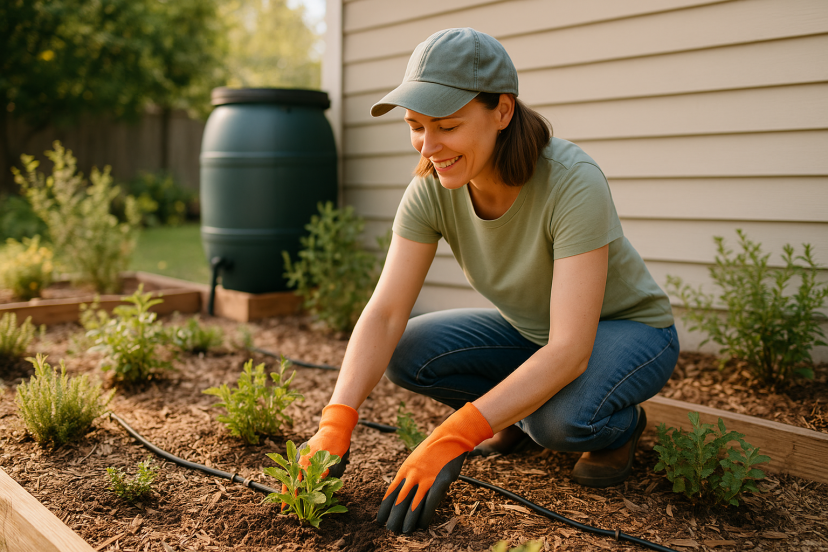
🌿 Your First Step Toward a Greener, Cheaper, Healthier Yard
More homeowners than ever are rethinking how their yards impact the planet—and their wallets. Rising water costs, climate awareness, and the desire for healthier outdoor spaces are pushing people toward eco landscaping for beginners as a smarter alternative to traditional lawns.
If you want to:
-
✅ Save money on water and maintenance
-
✅ Reduce waste and chemical use
-
✅ Create a beautiful, low-effort outdoor space
-
✅ Live a more sustainable lifestyle
Then you’re in the right place. This guide breaks down sustainable yard foundations into easy, beginner-safe steps you can follow even with zero landscaping experience.
🌱 What is Eco Landscaping? (Beginner-Friendly Definition)
Eco landscaping focuses on working with nature instead of against it. Instead of chemical fertilizers, thirsty grass, and constant mowing, you build a yard that:
-
✅ Uses less water
-
✅ Supports pollinators
-
✅ Improves soil health
-
✅ Reduces pollution and runoff
-
✅ Requires minimal maintenance
At its core, eco landscaping for beginners is about starting simple and upgrading gradually as your confidence grows.
💧 Why Sustainable Yard Design Matters More Than Ever
Traditional lawns are surprisingly harmful:
-
✅ A typical U.S. lawn uses up to 60% of household water
-
✅ Gas lawn equipment produces harmful air pollution
-
✅ Chemical runoff contaminates local streams and groundwater
✅ Benefits of Sustainable Yard Design
-
✅ Lower water bills
-
✅ Healthier soil and plants
-
✅ Improved air quality
-
✅ Safe for kids and pets
-
✅ Increased property value
This shift toward low-impact landscaping is the future of smart homeownership.
✅ Step 1: Assess Your Yard’s Natural Conditions
Before changing anything, understand what your yard already offers:
-
✅ Sun exposure
-
✅ Soil type
-
✅ Drainage patterns
-
✅ Slope and erosion risk
-
✅ Existing plants
💡 Use a simple soil test kit from Home Depot or Lowe’s to check pH and nutrients.
🌿 Step 2: Shrink or Replace High-Maintenance Grass
Grass is one of the largest water drains in the U.S.
✅ Low-impact alternatives
-
✅ Clover lawns
-
✅ Native ground covers
-
✅ Decorative gravel
-
✅ Mulched garden beds
-
✅ Permeable pavers
🌼 Step 3: Choose Native and Climate-Smart Plants
Native plants thrive with minimal care.
✅ Why native plants matter
-
✅ Lower water needs
-
✅ Natural pest resistance
-
✅ Support bees and butterflies
-
✅ Handle heat waves better
Green yard ideas by region:
-
✅ California: Poppy, sage
-
✅ Texas: Black-eyed Susan
-
✅ Florida: Firebush
🪱 Step 4: Improve Soil Naturally (No Chemicals Required)
Healthy soil is the foundation of all sustainable yard design.
✅ Beginner soil boosters
-
✅ Compost
-
✅ Leaf mulch
-
✅ Worm castings
-
✅ Aged manure
❌ Avoid
-
❌ Synthetic fertilizers
-
❌ Chemical weed killers
💧 Step 5: Install Smart Water-Saving Systems
Outdoor water use peaks between May and September in most U.S. states.
✅ Eco irrigation tools
-
✅ Drip irrigation
-
✅ Soaker hoses
-
✅ Rain barrels
-
✅ Smart timers
Drip systems use up to 50% less water than sprinklers.
🔧 Step 6: Use Eco-Friendly Hardscaping Materials
Hard surfaces should allow water to pass into the soil.
✅ Sustainable hardscape options
-
✅ Permeable pavers
-
✅ Reclaimed brick
-
✅ Recycled concrete
-
✅ Crushed stone paths
🌼 Step 7: Create Natural Weed and Pest Control Systems
Avoid toxic chemicals.
✅ Natural weed control
-
✅ Thick mulch
-
✅ Cardboard layering
-
✅ Vinegar sprays
✅ Natural pest control
-
✅ Ladybugs
-
✅ Companion planting
-
✅ Neem oil
🐝 Step 8: Add Wildlife-Friendly Features
An eco yard supports biodiversity.
-
✅ Bee hotels
-
✅ Bird baths
-
✅ Pollinator plants
-
✅ Brush shelters
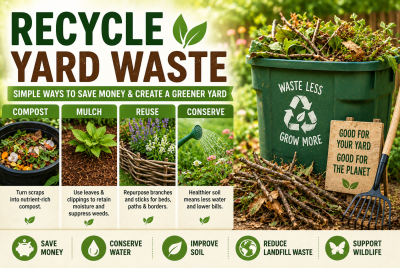
♻️ Step 9: Start Composting for Free Fertilizer
Composting turns waste into nutrient-rich soil.
✅ Safe compost materials
-
✅ Vegetable scraps
-
✅ Coffee grounds
-
✅ Eggshells
-
✅ Yard trimmings
✅ Step 10: Design for Low Maintenance First
Avoid burnout by keeping it simple.
✅ Low-effort design principles
-
✅ Group plants by water needs
-
✅ Limit grass
-
✅ Automate irrigation
-
✅ Embrace natural growth
💰 How Much Does Eco Landscaping Cost for Beginners?
-
✅ Compost bin: $50–$150
-
✅ Native plants: $5–$15 each
-
✅ Drip irrigation: $60–$200
-
✅ Rain barrel: $80–$120
Many U.S. cities offer rebates for turf removal and water-saving upgrades.
⚠️ Common Beginner Mistakes to Avoid
-
❌ Skipping soil prep
-
❌ Overwatering native plants
-
❌ Planting without checking the sunlight
-
❌ Using plastic weed barriers
🔧 When to Consult a Professional
Seek help if you face:
-
✅ Drainage failures
-
✅ Soil contamination
-
✅ Large retaining walls
-
✅ Solar yard integration
-
✅ Advanced irrigation systems
🌱 FAQs: Eco Landscaping for Beginners
1. What is the easiest way to start eco landscaping?
Start with composting and replacing one lawn section with native plants.
2. Is eco landscaping expensive?
No. Most green yard ideas lower long-term costs.
3. Can renters do eco landscaping?
Yes. Container gardening and rain barrels are perfect options.
4. How long until I see results?
Visible results usually appear in 2–4 months.
5. Does eco landscaping hurt home value?
No. It often boosts resale value.
6. Can I still keep grass?
Yes. Just reduce it strategically.

7. Do I need permits?
Some cities regulate rain barrels and grading work.
✅ Conclusion: Build Once, Benefit for Life
Eco landscaping is about progress, not perfection. With just a few smart changes, eco landscaping for beginners becomes affordable, rewarding, and impactful. You’ll enjoy:
-
✅ Lower utility bills
-
✅ Less maintenance
-
✅ Healthier soil
-
✅ A smaller environmental footprint
Start small, stay consistent, and let nature do the rest.
⚠️ Disclaimer
This article is for educational purposes only. DIY landscaping should follow local safety codes and regulations. Consult licensed professionals for structural, electrical, or major drainage projects.
 Explore more:
- How To Build A Wildlife Friendly Yard That Supports Nature
- Vermicomposting 101: Worm Composting For Beginners
- How To Build Healthy Garden Soil Naturally