Caterpillars Eating Leaves? 11 Common Causes And How To Stop The Damage Naturally
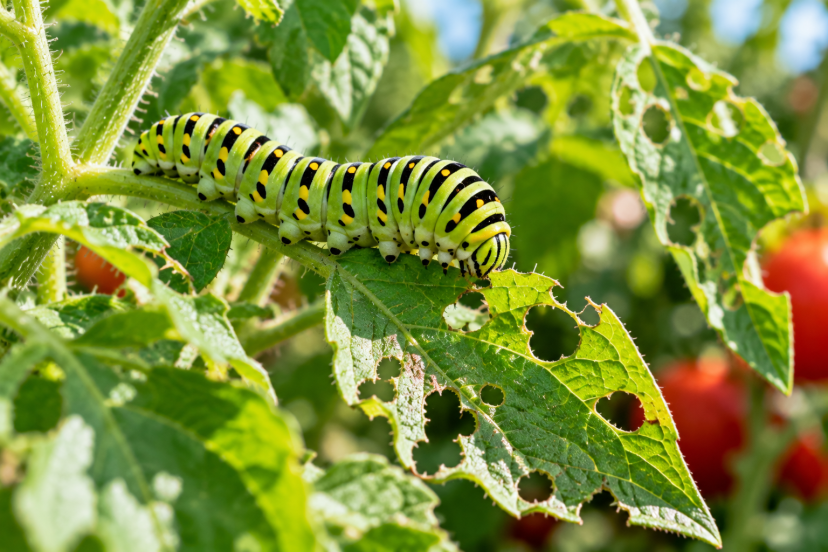
🐛 Why Are Caterpillars Eating My Plant Leaves?
Finding caterpillars eating leaves in your garden can be frustrating, especially when healthy vegetables, flowers, or ornamental plants suddenly develop holes, ragged edges, or missing foliage. One day your plants look healthy, and the next you discover damaged leaves or entire sections stripped bare.
Caterpillars are the immature stage of butterflies and moths. While some species become important pollinators as adults, others can cause considerable damage while feeding on garden plants.
The challenge is knowing which caterpillars need attention and which should be left alone.
A few caterpillars feeding on established plants may cause little harm, while large populations can seriously damage young vegetables, seedlings, and vulnerable ornamentals.
Fortunately, many caterpillar problems can be managed without broad-spectrum pesticides.
In this guide, you’ll learn why caterpillars attack plants, how to identify the most common types, and practical ways to protect your garden while supporting beneficial wildlife and maintaining a healthier, eco-friendly yard.
🔍 Quick Answer: How Do You Stop Caterpillars From Eating Leaves?
The simplest natural way to stop caterpillars from eating leaves is to identify the species and remove damaging caterpillars by hand when practical.
Inspect leaf undersides, stems, and new growth for caterpillars, eggs, and droppings.
For vulnerable vegetables, properly installed insect netting can prevent many egg-laying moths and butterflies from reaching plants.
When infestations are severe, a product containing Bacillus thuringiensis subsp. kurstaki (Btk) may control susceptible young caterpillars.
However, Btk also affects non-target butterfly and moth caterpillars, so use it selectively and only when necessary.
Key Takeaways
Most Likely Cause: Butterfly or moth larvae are feeding on suitable host plants, leaving holes, ragged edges, or missing foliage.
Usually Serious? Not always. Healthy, established plants often tolerate limited feeding, but seedlings and young vegetables can suffer significant damage.
First Thing To Check: Examine leaf undersides, stems, and damaged areas for caterpillars, eggs, silk, and dark droppings.
Best Solution: Manage caterpillars eating leaves through correct identification, hand removal when appropriate, protective netting, and targeted treatments only when necessary.
🌿 Why Caterpillars Eat Garden Plant Leaves
Caterpillars feed on plants because they need nutrients to grow and develop into adult butterflies or moths.
Many species depend on particular host plants, while others feed on a broad range of vegetation.
Their chewing mouthparts allow them to consume leaf tissue, sometimes leaving distinctive holes or ragged edges.
As caterpillars grow, their appetite usually increases.
A small caterpillar may create only minor damage, while a larger larva can consume substantial amounts of foliage.
However, not all caterpillars are garden pests.
Monarch caterpillars, for example, depend on milkweed plants. Their feeding is a natural and desirable part of a wildlife-friendly garden.
The key is identifying the caterpillar before deciding whether control is necessary.
🐛 11 Common Caterpillars And Reasons They Damage Plant Leaves
1. Cabbage White Caterpillars Feed On Brassicas
Imported cabbage worm caterpillars are common pests of cabbage, broccoli, kale, and related vegetables.
These green caterpillars blend into foliage and often feed on leaf undersides.
Their feeding creates irregular holes that may become larger as the larvae grow.
What To Do: Inspect brassica leaves regularly and remove caterpillars by hand. Use insect netting before butterflies lay eggs.
2. Tomato Hornworms Consume Large Amounts Of Foliage
Tomato hornworms and tobacco hornworms are large green caterpillars that commonly feed on tomatoes and related plants.
They can remove substantial amounts of foliage and sometimes damage developing fruit.
Look for large dark droppings beneath affected branches.
What To Do: Handpick hornworms when practical. Leave caterpillars covered with parasitic wasp cocoons undisturbed if they are in a safe location.
3. Armyworms Feed On Many Garden Plants
Armyworms include several moth species whose larvae feed on vegetables, grasses, and ornamental plants.
Some species can occur in large numbers and cause rapid defoliation.
Damage may begin as small holes and progress to extensive leaf loss.
What To Do: Identify the species and monitor young plants closely. Targeted treatment may be justified when feeding becomes severe.
4. Cutworms Damage Young Seedlings
Cutworms are moth larvae that often hide in soil or debris during daylight.
Some species feed near the soil surface and can sever tender seedling stems.
Gardeners may discover healthy-looking seedlings lying on the ground overnight.
What To Do: Inspect soil around damaged plants and use suitable protective collars around vulnerable seedlings.
5. Leafrollers Hide Inside Folded Leaves
Leafroller caterpillars use silk to fold or roll leaves into protective shelters.
They feed while concealed inside the folded foliage.
You may notice distorted leaves, webbing, or irregular chewing damage.
What To Do: Open affected leaves carefully and remove damaging caterpillars when practical.
6. Loopers Create Irregular Holes
Cabbage loopers and related caterpillars move with a distinctive looping motion.
They feed on many vegetables and ornamental plants.
Their chewing often produces irregular holes between leaf veins.
What To Do: Inspect leaf undersides and use hand removal or appropriately labeled targeted treatments when necessary.
7. Tent Caterpillars Feed On Trees
Tent caterpillars are known for producing silk shelters in tree branches.
Some species feed collectively and can remove large amounts of foliage.
Healthy, established deciduous trees often recover from occasional defoliation.
What To Do: Identify the species and evaluate the extent of damage before intervening. Avoid disturbing nests without proper identification.
8. Fall Webworms Create Webbed Branches
Fall webworms produce conspicuous silk webs around foliage near branch tips.
They feed inside these protective structures, often during late summer.
Although the webs can look alarming, established trees usually tolerate moderate feeding.
What To Do: Prune small, accessible infested branches only when appropriate. Avoid unnecessary treatment of otherwise healthy trees.
9. Sawfly Larvae Resemble Caterpillars
Sawfly larvae are not true caterpillars, but they can look remarkably similar.
They commonly feed on roses, shrubs, and trees.
Some species skeletonize leaves, while others consume larger sections of foliage.
What To Do: Identify sawfly larvae correctly because Btk products used against moth and butterfly caterpillars do not control sawflies.
10. Butterfly Caterpillars Feed On Their Host Plants
Some caterpillars feeding on garden plants are the young of desirable native butterflies.
Examples include monarch caterpillars on milkweed and black swallowtail caterpillars on parsley, dill, and fennel.
Their feeding may create noticeable leaf damage, but it supports local butterfly populations.
What To Do: Leave beneficial caterpillars undisturbed when possible and provide additional host plants if space allows.
11. Large Caterpillar Populations Increase Damage
Even relatively small caterpillars can cause extensive damage when many feed on the same plant.
Population outbreaks may occur when environmental conditions favor survival and reproduction.
Young seedlings and recently transplanted vegetables are particularly vulnerable.
What To Do: Monitor susceptible plants frequently and respond before significant leaf loss occurs.
🔬 How To Confirm Caterpillars Are Causing Leaf Damage
Before treating plants, look for evidence that caterpillars are responsible.
Common signs include:
-
Irregular holes in leaves
-
Ragged or missing leaf edges
-
Dark caterpillar droppings, called frass
-
Folded leaves or silk webbing
-
Partially eaten flower buds
-
Caterpillars hiding beneath foliage
Inspect plants during the morning and evening.
Some species feed mainly at night, so a flashlight inspection after dark may reveal the cause.
Remember that beetles, slugs, grasshoppers, and sawfly larvae can produce similar damage.
Correct identification is essential before selecting a treatment.
🛠️ How To Stop Caterpillars From Eating Leaves Naturally
Step 1: Identify The Caterpillar
Before removing anything, determine whether the insect is a damaging pest or a beneficial butterfly caterpillar.
Your local cooperative extension office can help identify unfamiliar species.
Avoid handling brightly colored, hairy, or spiny caterpillars because some can cause skin irritation or painful stings.
Step 2: Remove Damaging Caterpillars By Hand
For small infestations, hand removal is often the simplest control method.
Wear gloves and inspect damaged foliage carefully.
Move harmless native caterpillars to suitable host plants only when appropriate and permitted.
For confirmed pest species, follow local recommendations for removal and disposal.
Step 3: Protect Vegetables With Insect Netting
Fine insect netting can prevent many egg-laying moths and butterflies from reaching vulnerable vegetables.
Install it before infestations begin.
Secure the edges to prevent insects from entering.
Remove or manage covers when crops require insect pollination.
Step 4: Encourage Natural Predators
Birds, parasitic wasps, predatory insects, and other wildlife help regulate caterpillar populations.
Planting locally native flowers and maintaining diverse vegetation can support beneficial species.
Avoid broad-spectrum insecticides that unnecessarily harm natural enemies.
Step 5: Consider Btk For Severe Infestations
Bacillus thuringiensis subsp. kurstaki is a microbial insecticide that controls certain moth and butterfly caterpillars when they consume treated foliage.
It generally works best against young, actively feeding larvae.
Btk does not control every leaf-chewing insect and can harm desirable butterfly caterpillars.
Use only a registered product labeled for the target pest and plant, following all instructions.
Step 6: Support Plant Recovery
After controlling significant feeding damage, help plants recover through proper watering and general care.
Avoid excessive fertilizer, which may encourage weak growth.
Healthy, established plants often replace lost foliage when growing conditions remain favorable.
⚠️ Common Caterpillar Control Mistakes To Avoid
Avoid these common mistakes when protecting your garden:
-
Treating every caterpillar as a pest: Many species become beneficial native butterflies and moths.
-
Using broad-spectrum insecticides unnecessarily: These products can harm pollinators and natural predators.
-
Applying Btk without identifying the insect: It does not control sawfly larvae or most other chewing pests.
-
Ignoring leaf undersides: Caterpillars and eggs often remain hidden.
-
Waiting until seedlings are severely damaged: Young plants may not tolerate extensive feeding.
-
Using homemade pesticide mixtures: Unverified recipes can damage plants or harm beneficial organisms.
-
Overreacting to minor leaf damage: Established plants frequently tolerate limited feeding.
🌱 How To Prevent Caterpillar Damage Naturally
Preventing serious damage starts with regular monitoring.
Inspect vulnerable vegetables and ornamental plants during the growing season.
Use protective netting on susceptible crops before egg-laying begins.
Maintain healthy soil and appropriate moisture levels to support plant resilience.
Encourage birds and beneficial insects through diverse, locally appropriate planting.
Avoid unnecessary pesticide applications.
For wildlife-friendly gardens, consider creating separate areas where native butterfly host plants can grow without intervention.
This approach allows homeowners to protect important crops while supporting beneficial insects and local biodiversity.
❓ Frequently Asked Questions
What Is The Fastest Way To Stop Caterpillars From Eating Leaves?
For small infestations, identifying and removing damaging caterpillars by hand provides immediate control. Protective netting can help prevent additional egg-laying.
Will Caterpillars Kill My Plants?
Healthy, established plants often tolerate moderate feeding. However, severe defoliation can weaken plants, and young seedlings may be killed by extensive damage.
Does Neem Oil Kill Caterpillars?
Some neem-based products may affect certain caterpillars, but effectiveness varies. They can also harm non-target insects, so use only appropriately labeled products when necessary.
Are All Caterpillars Bad For Gardens?
No. Many caterpillars develop into native butterflies and moths that contribute to local ecosystems. Some are important food sources for birds and other wildlife.
Can Plants Recover After Caterpillars Eat Their Leaves?
Often, yes. Many healthy plants can produce new foliage after moderate damage. Recovery depends on the plant species, growing season, and severity of defoliation.
🌼 Related Garden Problems
Holes In Plant Leaves
Leaf holes may result from caterpillars, beetles, slugs, grasshoppers, or other chewing pests.
Japanese Beetles On Roses
Japanese beetles can skeletonize rose leaves and damage flowers during summer.
Aphids On Plants
Aphids feed on plant sap rather than chewing holes, often causing curled leaves and sticky honeydew.
Whiteflies On Plants
Whiteflies are small sap-feeding insects that can weaken plants and produce sticky residue.
Seedlings Disappearing Overnight
Cutworms, slugs, wildlife, and other pests can damage or destroy young seedlings.
🎯 Final Thoughts On Caterpillars Eating Leaves
Discovering caterpillars eating leaves doesn’t always mean your garden needs immediate treatment.
Many healthy plants tolerate occasional feeding, and some caterpillars are essential parts of a wildlife-friendly landscape.
The most effective strategy is to identify the species, evaluate the amount of damage, and choose the least disruptive control method.
Hand removal, protective netting, regular inspections, and natural predators can manage many common problems.
When severe infestations require additional treatment, targeted products should be used carefully to protect beneficial insects.
By balancing plant protection with biodiversity, you can maintain a beautiful, productive, and sustainable garden without relying on unnecessary chemical pesticides.
Gardening Advice: Every garden is different. Soil type, climate, weather, plant variety, and growing conditions can all affect results. If your plants continue to decline despite following the recommendations in this article, or if you suspect a serious plant disease, invasive pest infestation, or a hazardous tree issue, contact your local cooperative extension office, certified arborist, or qualified gardening professional for personalized advice.
Disclaimer: This article is for informational purposes only and is not a substitute for professional horticultural, arboricultural, or agricultural advice. Gardening results vary depending on local growing conditions, soil, weather, and plant variety. Always read and follow the instructions on any fertilizers, pesticides, herbicides, or other garden products before use.
Explore more: