Smart Sprinkler Systems That Save Water and Money
🌿 Water Less, Grow More
Every homeowner dreams of a lush, green lawn — but not at the cost of rising water bills and environmental guilt. In many U.S. states, outdoor irrigation accounts for nearly 50% of residential water use, and much of that is wasted through overwatering or outdated systems. Thankfully, modern technology is changing the game. With smart sprinkler systems, you can water your garden intelligently — saving thousands of gallons each year while keeping your plants perfectly hydrated.
These WiFi-connected, sensor-driven systems automatically adjust watering schedules based on weather data, soil conditions, and sunlight exposure. They’re the future of eco-friendly lawn care — efficient, affordable, and sustainable. 🌱
In this guide, we’ll compare the best smart sprinkler systems available in 2025, explain how they work, and show you how to upgrade your irrigation setup to save both water and money.
☀️ What Are Smart Sprinkler Systems?
Smart sprinkler systems use advanced technology — like WiFi controllers, irrigation sensors, and real-time weather data — to optimize watering.
Unlike traditional timers that water on a rigid schedule, these smart systems automatically adjust based on:
-
Rain forecasts 🌧️
-
Soil moisture levels 💧
-
Temperature and sunlight ☀️
-
Local watering restrictions 🚫
The result? Up to 50% less water use with healthier lawns and gardens.
🌎 Why Go Smart? The Benefits of Eco Irrigation
Switching to a smart irrigation system benefits both your wallet and the planet.
💰 Financial Savings
-
Reduces water waste and utility costs — homeowners report saving $100–$300 per year.
-
Qualifies for rebates in many U.S. states (check EPA’s WaterSense program).
-
Extends the life of your plants and landscape by preventing overwatering.
🌱 Environmental Benefits
-
Conserves precious freshwater resources.
-
Reduces runoff and soil erosion.
-
Helps comply with drought restrictions in water-scarce states like California, Nevada, and Arizona.
📱 Lifestyle Convenience
-
Control watering remotely via mobile apps.
-
Set it and forget it — systems self-adjust using weather data.
-
Integrate with smart home assistants like Alexa or Google Home.
💡 Did you know? A single smart irrigation system can save up to 8,800 gallons of water annually — enough to fill a backyard swimming pool!
⚙️ How Smart Irrigation Works
At its core, a smart sprinkler system consists of three main components:
🌧️ 1. Smart Controller (WiFi-Connected)
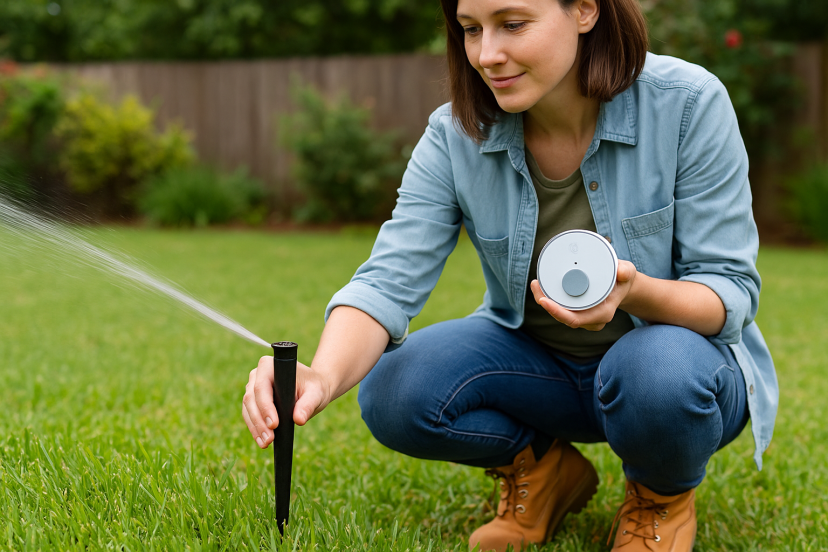
The brain of the system. It connects to your home WiFi and uses live weather data to manage watering schedules automatically.
🌿 2. Irrigation Sensors
Placed in the soil or near plants, these sensors measure moisture levels, temperature, and sometimes light exposure to determine when water is actually needed.
💦 3. Sprinkler Valves & Zones
The controller divides your yard into “zones” (front lawn, garden, backyard) and waters each area based on its unique needs.
Together, these parts create a responsive irrigation system that learns your landscape and adapts daily for maximum efficiency.
🌻 Best Smart Sprinkler Systems for 2025
Here are the top smart irrigation systems in the U.S. that blend technology, ease of use, and sustainability.
💧 1. Rachio 3 Smart Sprinkler Controller — Best Overall
Highlights:
✅ WiFi-connected with app control
✅ Integrates with Alexa, Google Home, and Apple HomeKit
✅ Advanced weather intelligence
✅ EPA WaterSense certified
Why It’s Great:
The Rachio 3 is the gold standard for smart irrigation. It learns from your local weather and soil type to automatically adjust watering times. The sleek app makes control simple — even while traveling.
Average Price: ~$229
Best For: Homeowners who want a full-featured, reliable system.
🌞 2. Orbit B-hyve XR Smart Controller — Best Value
Highlights:
✅ Real-time weather updates
✅ Built-in WiFi, no hub required
✅ Works with Amazon Alexa
✅ Optional flow meter for water tracking
Why It’s Great:
Orbit’s B-hyve line is a favorite among U.S. homeowners for its mix of affordability and smart functionality. The system optimizes irrigation based on slope, soil, and sun exposure.
Average Price: ~$149
Best For: Mid-size lawns or homeowners on a budget.
🌱 3. Rain Bird ST8-WiFi Smart Controller — Best for DIYers
Highlights:
✅ User-friendly setup
✅ App-based control with multiple watering zones
✅ Compatible with most existing sprinkler valves
✅ Weather-based scheduling
Why It’s Great:
This model is perfect for DIY installers upgrading from a manual timer. The interface is intuitive, and setup typically takes under an hour.
Average Price: ~$145
Best For: Homeowners upgrading older irrigation systems.
💧 4. Eve Aqua Smart Water Controller — Best for Small Gardens
Highlights:
✅ Bluetooth + Thread connectivity (no hub required)
✅ Automates hose-end sprinklers
✅ Tracks water consumption
✅ Works with Apple HomeKit
Why It’s Great:
Ideal for small yards, patios, or balcony gardens, this compact smart valve turns your garden hose into a water-saving system. It’s perfect for urban homeowners or renters.
Average Price: ~$99
Best For: Small gardens or renters.
🌻 5. Netro Smart Sprinkler Controller — Most Energy-Efficient
Highlights:
✅ EPA WaterSense certified
✅ AI-driven irrigation forecasting
✅ Remote app control with detailed reports
✅ Sleek, minimalist design
Why It’s Great:
Netro uses advanced algorithms and real-time weather data to minimize waste. It’s great for homeowners focused on sustainability and precise water use.
Average Price: ~$169
Best For: Eco-conscious tech users.
🌿 Bonus: Smart Sensors and Add-Ons
For even smarter irrigation, pair your controller with advanced sensors and accessories.
🌧️ Top Picks:
-
Ecowitt Soil Moisture Sensor: Measures ground humidity for real-time feedback.
-
Orbit B-hyve Flow Meter: Tracks total water usage for each zone.
-
Netro Whisperer Sensor: Analyzes soil nutrients, moisture, and temperature.
✅ Pro Tip: Some systems automatically skip watering if rain is forecasted — reducing water use by 25–40%.
🔧 Installation Guide: How to Set Up a Smart Sprinkler System
You don’t need to be a tech expert to install one. Most systems are designed for DIY setup and take just a few hours.
🪴 Step-by-Step
-
Remove the old controller (if you have one).
-
Label the existing wires by zone for easy reconnection.
-
-
Mount the smart controller indoors or near your irrigation valves.
-
Connect the wires following the color-coded diagram provided.
-
Download the app and connect via WiFi.
-
Configure zones based on plant type, soil, and sun exposure.
-
Add irrigation sensors (optional) for precision watering.
-
Run a test cycle to ensure everything’s connected and functional.
🌿 Estimated Time: 1–2 hours for most homes.
💰 Rebates and Incentives for Water-Saving Sprinklers
Many U.S. utilities offer rebates for smart irrigation systems, often covering up to 50% of the cost.
🌎 Check Out:
-
EPA WaterSense Rebate Program
-
California Water Efficiency Partnership (CalWEP)
-
Arizona Department of Water Resources
-
Texas SmartScape Rebate Initiatives
💡 Tip: Look for WaterSense-labeled products — they’re tested for efficiency and may qualify for rebates automatically.
🌻 Sustainability Impact
Switching to smart sprinkler systems isn’t just about convenience — it’s a tangible step toward water conservation.
🌱 Environmental Wins
-
Saves 8,000–15,000 gallons of water annually per household.
-
Reduces chemical runoff from overwatering lawns.
-
Prevents unnecessary irrigation during rain or high humidity.
💧 Long-Term Benefits
-
Protects groundwater supplies and local ecosystems.
-
Keeps lawns healthier by preventing root rot and soil compaction.
In drought-prone U.S. states, every drop saved counts — and smart irrigation makes conservation effortless.
🧰 When to Consult a Professional
While DIY installation works for most homeowners, consider hiring a landscape or irrigation professional if you:
-
Have complex multi-zone systems or underground wiring.
-
Need a custom sprinkler head layout or trenching.
-
Plan to integrate with solar-powered irrigation or rainwater systems.
Professionals can ensure compliance with local irrigation codes and help design the most efficient setup for your property’s soil and slope.
❓ FAQs About Smart Sprinkler Systems
1. How much can I really save with a smart sprinkler system?
You can save 20–50% on outdoor water use, translating to around $100–$300 per year in most U.S. regions.
2. Do smart sprinklers work without WiFi?
Most require WiFi for weather updates and remote access, but they can still run pre-set schedules offline.
3. Are they compatible with existing sprinkler systems?
Yes! Smart controllers can replace traditional timers while using your existing valves and sprinklers.
4. What happens during a power outage?
Most systems pause until power or the internet resumes. Some battery-backed models store recent settings.
5. Can smart sprinklers detect leaks?
Many models (like Orbit B-hyve) include flow meters that alert you to leaks or broken lines.
6. Are smart irrigation systems worth it in cooler climates?
Yes — even in northern states, they prevent overwatering during rainy seasons and automate maintenance.
7. How long do smart sprinkler controllers last?
Typically 5–10 years, with software updates extending lifespan. Regular firmware updates keep performance optimal.
🌸 Conclusion: Smarter Watering, Greener Living
If you want a healthier lawn and a lighter water bill, investing in smart sprinkler systems is one of the smartest eco-upgrades you can make. 🌿
By combining WiFi controllers, irrigation sensors, and real-time data, these systems take the guesswork out of watering — ensuring every drop counts.
Whether you’re a tech-savvy homeowner or simply want to live more sustainably, the future of irrigation is clear:
✅ More control.
✅ Less waste.
✅ Greener gardens.
☀️ Let technology help your yard — and the planet — thrive.
⚠️ Disclaimer
Always follow local irrigation and water-use regulations. Install smart systems according to manufacturer instructions, or hire a certified professional if unsure.
 Explore more:
- Solar-Powered Water Pumps
- Best Solar Bird Baths and Features for Eco-Friendly Homes
- How to Power Your Garden Shed With Solar Panels