How to Start Composting at Home (Even in Small Spaces)
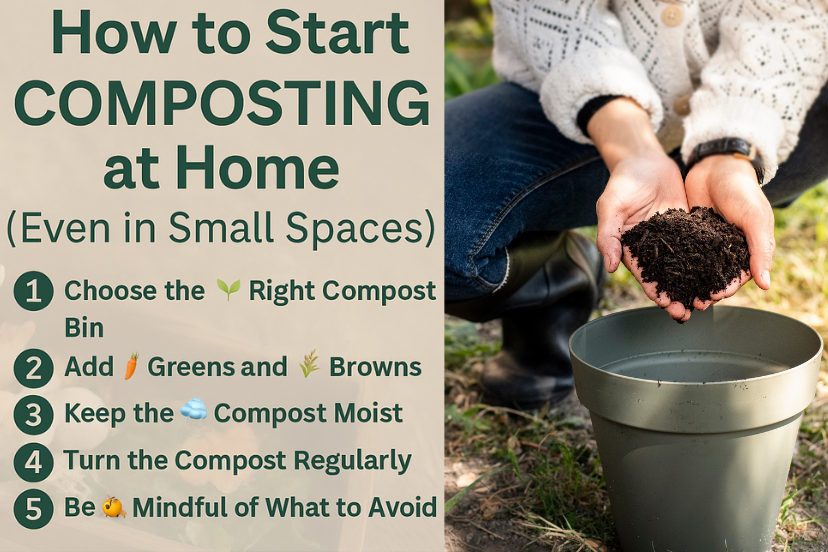
🌱 Turning Kitchen Scraps into Garden Gold
If you’ve ever looked at your overflowing trash bin and thought, “There has to be a better way,” you’re right. Composting is one of the easiest and most impactful ways to live more sustainably — right from your own home. Whether you have a large backyard or a tiny apartment balcony, these home composting tips will help you recycle organic waste, save money on fertilizers, and create nutrient-rich soil for a healthier yard or garden.
Composting isn’t just for farmers or eco-enthusiasts anymore — it’s a growing trend among U.S. homeowners who want to reduce landfill waste and live greener. According to the EPA, Americans throw away over 30% of their food supply each year — much of which could be composted instead. 🌎
🌿 What Is Composting (and Why It Matters)
Composting is the natural process of recycling organic matter — like food scraps and yard waste — into a nutrient-rich soil amendment known as compost. This process mimics nature’s way of decomposing leaves in a forest floor, turning waste into life-supporting nutrients.
Why it matters:
-
Reduces landfill waste and greenhouse gases.
-
Improves soil health and structure.
-
Supports water retention in lawns and gardens.
-
Cuts down on the need for chemical fertilizers.
-
Encourages biodiversity and healthier plants.
🏡 Getting Started: What You’ll Need for Home Composting
Even if you live in an apartment or small home, you can still compost successfully. Here’s what you’ll need:
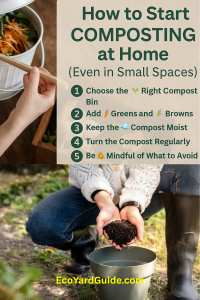
1. Choose a Composting Method 🪴
There are several types of composting systems, depending on your available space and lifestyle:
-
Outdoor Bin Composting: Best for backyards. You can buy a compost bin or make your own from wood or plastic.
-
Tumbler Composting: A rotating drum that speeds up decomposition and prevents odor.
-
Worm Composting (Vermicomposting): Perfect for apartments — uses red wiggler worms to break down food scraps.
-
Bokashi Composting: A fermentation method ideal for small indoor spaces. It can handle even meat and dairy scraps.
2. Gather the Right Materials 🌾
Composting relies on a mix of “greens” (nitrogen-rich) and “browns” (carbon-rich) materials.
✅ Greens (Nitrogen):
-
Fruit and vegetable scraps
-
Coffee grounds and filters
-
Grass clippings
-
Tea bags (non-plastic)
✅ Browns (Carbon):
-
Dry leaves
-
Shredded paper or cardboard
-
Wood chips or sawdust
-
Straw or hay
🚫 Avoid adding:
-
Meat, bones, dairy, or oily foods
-
Diseased plants or pet waste
-
Synthetic materials or plastic
The ideal mix is about 2 parts browns to 1 part greens, helping your compost decompose faster while preventing odor.
🔄 How to Maintain a Healthy Compost Pile
Composting isn’t complicated — it just needs the right balance of air, moisture, and temperature.
1. Layer Your Materials 🌾
Start with a base layer of browns, then add greens, alternating layers as you go. This keeps your pile well-aerated and encourages faster decomposition.
2. Keep It Moist — Not Soggy 💧
Your compost should feel like a damp sponge — not too dry or too wet. If it gets too dry, sprinkle some water. If it’s soggy, add more brown materials like shredded paper or leaves.
3. Turn It Regularly 🔄
Aerating your pile is key! Turn it every 7–14 days using a shovel or compost aerator to let oxygen in and speed up decomposition.
4. Watch the Temperature 🌡️
A healthy compost pile should heat up between 120–160°F (49–71°C). This high temperature kills weed seeds and pathogens naturally.
5. Be Patient ⏳
Depending on the method, your compost can take 2–6 months to mature. You’ll know it’s ready when it looks dark, crumbly, and smells like fresh earth.
🌼 Small-Space Composting Tips for Apartment Dwellers
If you don’t have a backyard, don’t worry — composting in small spaces is totally possible. Here’s how:
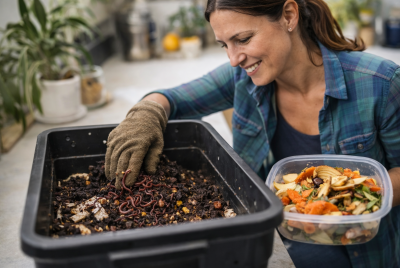
🪴 Use a Worm Bin (Vermicomposting)
Red wiggler worms are efficient decomposers that thrive indoors. A small bin under your sink or balcony corner works perfectly.
Pro Tips:
-
Keep your bin in a cool, shaded area (60–75°F).
-
Feed worms weekly with small portions of veggie scraps.
-
Avoid citrus and onion — they’re too acidic for worms.
🥬 Try Bokashi Buckets
This odor-free, anaerobic composting system uses bokashi bran (fermented wheat bran with microbes). It’s perfect for people who want to compost indoors without mess or smell.
🌿 Join a Community Composting Program
Many U.S. cities now offer compost drop-off programs or municipal compost pick-up services — a great option if space is limited.
🌻 Using Compost in Your Yard or Garden
Once your compost is ready, it’s time to put it to good use! Here’s how:
1. Enrich Your Garden Soil 🪴
Mix compost into flower beds, vegetable gardens, and raised planters to add essential nutrients like nitrogen, phosphorus, and potassium.
2. Topdress Your Lawn 🌱
Spread a thin layer of compost over your lawn to improve soil structure and boost microbial activity. It also helps the grass roots retain moisture — reducing your watering needs!
3. Use it as Mulch 🌾
Lay compost around shrubs, trees, and perennials to suppress weeds, regulate soil temperature, and prevent erosion.
4. Brew Compost Tea ☕
Steep finished compost in water for 24 hours to make a nutrient-rich liquid fertilizer for indoor or outdoor plants.
🌎 Eco Benefits of Home Composting
Home composting is more than just a personal habit — it’s a small change with a big environmental impact. Here’s why:
✅ Reduces landfill waste: Food waste makes up about 24% of U.S. landfills. Composting turns that waste into valuable soil instead.
✅ Cuts methane emissions: Organic waste in landfills produces methane — a potent greenhouse gas. Composting prevents that.
✅ Improves soil health: Compost restores beneficial microorganisms and enhances nutrient cycling in your garden.
✅ Promotes sustainable gardening: Reduces reliance on synthetic fertilizers and pesticides that harm the environment.
✅ Saves money: Homemade compost is free and can replace expensive soil conditioners or fertilizers.
🧠 Bonus Section: Common Composting Mistakes to Avoid
Even the most enthusiastic gardeners can make mistakes. Avoid these common composting pitfalls for the best results:
-
Too Many Greens: This leads to a smelly, slimy pile. Balance it with more browns.
-
Not Enough Air: Without oxygen, compost goes anaerobic and produces unpleasant odors. Turn it often.
-
Adding Meat or Dairy: These attract pests and slow decomposition.
-
Overwatering: Compost should be moist, not soaked.
-
Ignoring It: A neglected pile stops breaking down. Stir it up every week or two!
🪴 7 Frequently Asked Questions About Home Composting Tips
1. What are the best home composting tips for beginners?
Start small, use a mix of browns and greens, and turn your compost weekly. Avoid adding meat or dairy, and keep your pile moist but not soggy.
2. How long does composting take at home?
Depending on your method and conditions, composting takes 2–6 months. Regular turning and balanced materials can speed up the process.
3. Can I compost indoors?
Yes! Indoor composting works great with worm bins or bokashi buckets. Both are odor-free and space-efficient.
4. What should not be composted?
Avoid composting meat, dairy, oily foods, diseased plants, or pet waste — they can cause odor and contamination.
5. How do I know when my compost is ready?
Finished compost is dark brown, crumbly, and earthy-smelling. You shouldn’t be able to recognize any original materials.
6. Can composting help my plants grow better?
Absolutely! Compost enriches soil, increases water retention, and promotes beneficial bacteria that support healthy plant growth.
7. What’s the best compost bin for small homes?
Compact tumbler bins, stackable bins, or vermicomposting kits are ideal for apartments or limited spaces.
🌿 Conclusion: A Greener Home Starts with a Simple Habit
Starting your own composting routine is one of the easiest ways to make your home more sustainable. Whether you live in a suburban home or an apartment, these home composting tips can help you turn waste into something valuable — rich, fertile compost that fuels your garden, saves money, and supports a healthier planet. 🌎✨
Every banana peel and coffee filter you save from the trash makes a difference. Start small, stay consistent, and you’ll be amazed at how fast your “waste” turns into garden gold.
⚠️ Disclaimer:
This article is for informational purposes only and should not replace expert or environmental advice. Always follow local composting regulations and safety guidelines for your region.
 Explore more:
- Eco-Friendly Lawn Care
- 5 Energy Efficient Yard Ideas That Boost Curb Appeal
- Grass Alternatives for Yard