Eco-Friendly Lawn Care: Natural Fertilizers and Smart Mowing Tips for a Greener Yard
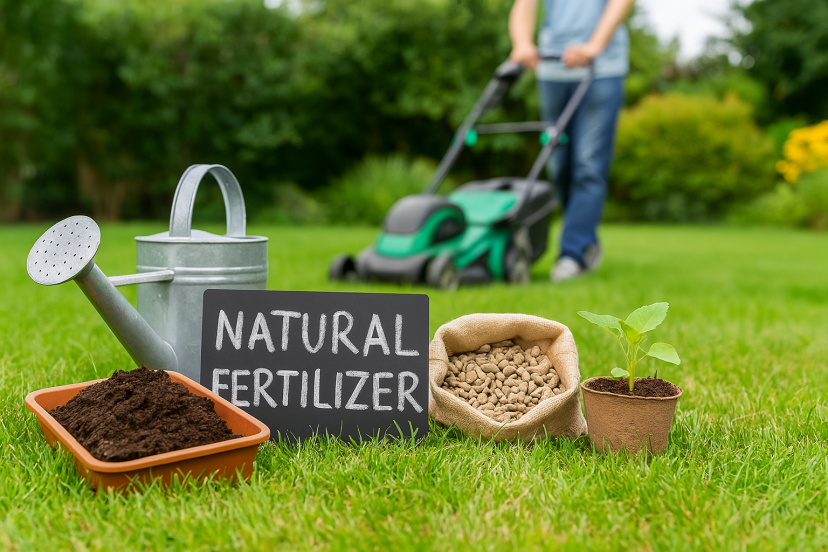
🌱 Rethink Lawn Care for a Cleaner, Greener Tomorrow
America’s love affair with the perfect lawn comes at a price — water waste, chemical runoff, and carbon emissions from gas mowers. But there’s good news: you can have a lush, healthy yard without harming the environment. 🌿 Switching to eco friendly lawn care helps families save money, protect local ecosystems, and reduce household pollution — all while keeping that green, vibrant yard you love.
This guide covers everything from natural fertilizers to mowing techniques that promote healthy soil, conserve water, and support biodiversity. Whether you’re a weekend gardener or a homeowner looking to go green, these sustainable lawn care strategies will make your yard both beautiful and responsible. 🌎
🌾 Why Eco-Friendly Lawn Care Matters
A traditional lawn may look nice, but it often hides a dirty secret — chemicals, overwatering, and fossil-fueled machinery. According to the EPA, gas-powered lawn equipment produces 5% of U.S. air pollution, while the average American household uses over 20,000 gallons of water annually just for their lawn.
By adopting eco-conscious habits, you can:
✅ Cut water use by up to 50%
✅ Eliminate synthetic fertilizers and pesticides
✅ Create a safer yard for kids and pets
✅ Improve soil health naturally
✅ Support pollinators and local wildlife 🐝
Small steps lead to big environmental wins — and your yard will look better than ever.
🌿 Step 1: Start with Healthy Soil — The Foundation of a Green Lawn
Your soil is the living heart of your lawn. The healthier your soil, the less you’ll need to water, fertilize, or fight weeds.
🧠 How to Test Your Soil
-
Purchase an inexpensive soil test kit (available at most garden centers or through local extensions).
-
Measure pH, nutrient levels, and organic matter content.
-
Most grass species thrive in soil with a pH between 6.0 and 7.0.
Once you understand your soil, you can naturally amend it — instead of relying on synthetic fertilizers.
🌱 Natural Soil Boosters
-
Compost: Adds nutrients and improves moisture retention.
-
Worm Castings: A powerful, odor-free organic fertilizer.
-
Mulched Grass Clippings: Return nitrogen back into the soil.
-
Organic Matter (leaves, straw, or bark): Builds soil structure and prevents compaction.
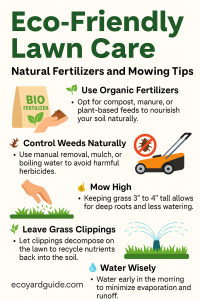
🌾 Eco Tip: Feed your soil twice a year — spring and fall — with compost or organic fertilizer to keep it thriving.

🌼 Step 2: Use Natural and Organic Fertilizers 🌿
Skip chemical fertilizers — they often contain salts that damage soil microbes and leach into waterways. Instead, choose eco-friendly, slow-release fertilizers that feed your lawn and the planet.
🌿 Best Natural Fertilizers for Lawn Care
-
Compost Tea: A liquid nutrient boost that strengthens roots.
-
Fish Emulsion: Rich in nitrogen and trace minerals.
-
Alfalfa Meal: Encourages strong root growth and microbial activity.
-
Corn Gluten Meal: Prevents weed growth naturally while adding protein to soil.
-
Seaweed Extract: Adds potassium and improves plant stress resistance.
🌎 Pro Tip: Apply natural fertilizer in early spring and again in mid-fall to maintain steady growth without overfeeding.
✂️ Step 3: Mow Smarter, Not Harder
Traditional mowing habits often harm lawns more than they help. Frequent cutting, short grass, and dull blades can all weaken root systems and increase water use.
🌿 Smart Mowing Tips for Eco Friendly Lawn Care
✅ Set Your Mower Blade Higher (3–4 inches): Taller grass shades roots and reduces evaporation.
✅ Use a Mulching Mower: It chops and redistributes clippings as natural fertilizer.
✅ Sharpen Blades Regularly: Clean cuts prevent disease and brown tips.
✅ Avoid Mowing When Wet: Prevents soil compaction and rutting.
✅ Alternate Mowing Patterns: Prevents wear paths and compaction.
🌱 Bonus: Switching to an electric or reel mower cuts emissions and noise — great for the environment and your neighbors.
💧 Step 4: Water Wisely — Less Is More
Overwatering is one of the biggest lawn care mistakes. It weakens roots and wastes precious resources.
💧 Eco-Friendly Watering Techniques
-
Deep, Infrequent Watering: Water once or twice a week, but soak deeply.
-
Morning Watering: Reduces evaporation and fungal growth.
-
Install a Rain Sensor: Stops sprinklers when it rains.
-
Switch to Drip or Smart Irrigation Systems: Efficiently deliver water where it’s needed.
-
Collect Rainwater: Use barrels to reduce tap water use.
🌿 Pro Tip: A healthy lawn only needs 1 inch of water per week, including rainfall.
🦋 Step 5: Go Beyond Grass — Add Native Plants and Ground Covers
An eco-friendly yard doesn’t need to be all grass. Replacing portions of your lawn with native plants or low-water ground covers saves time, water, and money.

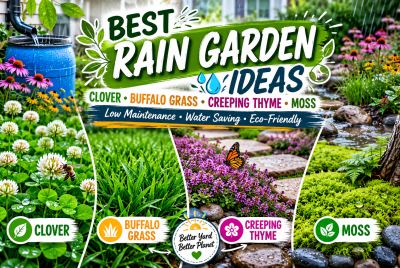
🌸 Great Native Grass Alternatives
-
Creeping Thyme: Fragrant and drought-tolerant.
-
Clover: Naturally fertilizes soil with nitrogen.
-
Buffalograss: Native to U.S. plains, thrives with minimal water.
-
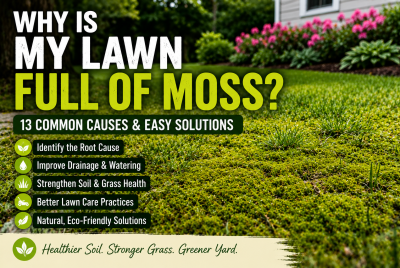
Moss: Ideal for shaded areas; no mowing required.
🌾 Eco Fact: Even replacing 25% of your grass with native plants can reduce water usage by over 10,000 gallons per year.
🐞 Step 6: Embrace Beneficial Insects Instead of Pesticides
Chemical pesticides may kill pests, but they also destroy helpful insects and pollinators. Instead, use nature’s pest control.
🦋 Eco-Friendly Pest Management
-
Ladybugs eat aphids and mites.
-
Lacewings feed on pest larvae.
-
Nematodes target soil-borne pests naturally.
-
Neem Oil or Diatomaceous Earth: Non-toxic alternatives for pest control.
🌻 Eco Tip: Plant marigolds, lavender, and basil near your lawn to repel insects naturally.
🌿 Step 7: Aerate and Overseed Naturally
Aeration keeps soil breathable and helps water reach roots more efficiently. Overseeding prevents weeds by filling gaps with hardy, drought-tolerant grass varieties.
🌾 Natural Aeration Tips
-
Use a manual aerator or rent an electric plug aerator once a year.
-
Aerate in fall or early spring when the soil is moist.
-
After aerating, overseed with resilient grasses like tall fescue or ryegrass.
🌱 Bonus: Add a thin layer of compost after aeration — it fills holes with organic nutrients.
🌻 Step 8: Compost Yard Waste and Grass Clippings
Don’t throw away your lawn clippings — they’re full of nutrients! Composting reduces landfill waste and returns organic matter to the soil.
♻️ What to Compost:
-
Grass clippings
-
Fallen leaves
-
Coffee grounds and vegetable scraps
-
Sawdust and untreated wood chips
🌿 Eco Tip: Create a small compost bin in your yard using recycled pallets — a simple weekend project that pays off for years.
🌼 Step 9: Time Your Lawn Care with the Seasons
Adopting a seasonal lawn care schedule ensures your grass and soil stay strong year-round.
🌸 Spring
-
Test the soil and apply compost.
-
Overseed bare spots.
-
Mow high and sharpen blades.
☀️ Summer
-
Water deeply once per week.
-
Skip heavy fertilizers.
-
Mow less frequently to retain moisture.
🍂 Fall
-
Aerate and overseed.
-
Topdress with compost.
-
Collect leaves to use as mulch.
❄️ Winter
-
Avoid foot traffic on frosty lawns.
-
Store mower blades properly.
-
Plan native plant additions for spring.
🌍 Step 10: Make It a Family or Community Effort
Eco-friendly living starts small — but grows big when shared. Involve kids in composting, teach neighbors about natural fertilizers, or start a local “green yard” group.
🌿 Eco Challenge: Encourage your neighborhood to go chemical-free for one season and track the difference in water use and biodiversity!
💬 FAQs About Eco Friendly Lawn Care
1. What is the most eco-friendly way to fertilize a lawn?
Use compost, organic fertilizers, or grass clippings — they enrich the soil naturally and reduce chemical runoff.
2. How often should I mow my eco-friendly lawn?
Mow every 1–2 weeks, keeping grass at least 3 inches tall to promote root growth and shade soil.

3. Can I have a green lawn without chemicals?
Absolutely! Healthy soil, compost, and proper mowing can create a naturally lush lawn.
4. What are some eco-friendly lawn mower options?
Electric mowers, reel mowers, or solar-powered models are the best low-emission choices.
5. How can I reduce water use in my lawn care routine?
Water early in the morning, use smart irrigation, and plant drought-tolerant species.
6. Do natural fertilizers really work?
Yes — compost, fish emulsion, and seaweed extracts provide steady nutrients that improve soil health over time.
7. What’s the biggest mistake people make with eco-friendly lawn care?
Overwatering and cutting grass too short — both weaken lawns and waste resources.
🌿 Conclusion: A Healthier Lawn, a Healthier Planet
Eco-friendly lawn care isn’t about perfection — it’s about balance. By embracing natural fertilizers, smarter mowing techniques, and sustainable water use, you’ll save money, protect your local environment, and create a beautiful, thriving yard. 🌎💧
Each choice you make — from composting to choosing electric mowers — brings us one step closer to cleaner air, healthier soil, and a greener future.
So, start small today. Your lawn (and the planet) will thank you. 🌿✨

⚠️ Disclaimer
This article is for informational purposes only and should not replace professional lawn care or soil testing advice. Always check local guidelines before applying new products or landscaping changes.
 Explore more:
- Drought-Resistant Landscaping Tips for Hot Climates
- Native Plants for Landscaping
- Grass Alternatives for Yard