Best Natural Fertilizers For Organic Gardens (Beginner-Friendly Guide)
🔥 Feed Your Garden Naturally—Without Chemicals
If you’re growing an organic garden, you probably want healthier plants, better harvests, and richer soil—without relying on synthetic chemicals. You also want solutions that save money, reduce waste, and support the environment.
That’s exactly where natural fertilizers for garden use come in.
Instead of quick-fix chemical feeds that can harm soil life over time, natural fertilizers work with nature. They nourish plants slowly, improve soil structure, and support beneficial microbes that keep your garden productive year after year.
For beginners, choosing the right organic fertilizer can feel confusing. Compost, compost tea, manure fertilizer, bone meal—what actually works, and what’s best for your garden?
This guide breaks it all down with a clear, beginner-friendly ranking of the best natural fertilizers, how to use them, and when each one makes the most sense.
🌿 Why Choose Natural Fertilizers For Garden Health?
Conventional fertilizers often deliver fast growth—but at a cost.
🚫 Problems With Synthetic Fertilizers
- Soil degradation over time
- Nutrient runoff into waterways
- Harm to beneficial microbes
- Dependency on repeated applications
In the U.S., fertilizer runoff is a major contributor to water pollution, especially in lakes and rivers. Many states now encourage organic soil practices to protect local ecosystems.
✅ Benefits Of Natural Fertilizers
- Improve long-term soil health
- Release nutrients slowly
- Support beneficial bacteria and fungi
- Reduce environmental impact
Using natural fertilizers for garden care creates healthier plants and healthier soil.
🌱 How Organic Soil Enrichment Actually Works
Organic fertilizers don’t just “feed” plants—they build soil ecosystems.
🌿 What Makes Organic Plant Food Different
- Nutrients are bound in natural materials
- Soil microbes break nutrients down gradually
- Plants absorb nutrients as needed
- Soil structure improves over time
This slow-release process prevents nutrient burn and reduces waste.
🥇 #1 Compost: The Best All-Purpose Natural Fertilizer
Compost ranks at the top of nearly every list—and for good reason.
🌱 Why Compost Works So Well
- Contains balanced nutrients
- Improves soil structure
- Increases water retention
- Supports beneficial organisms
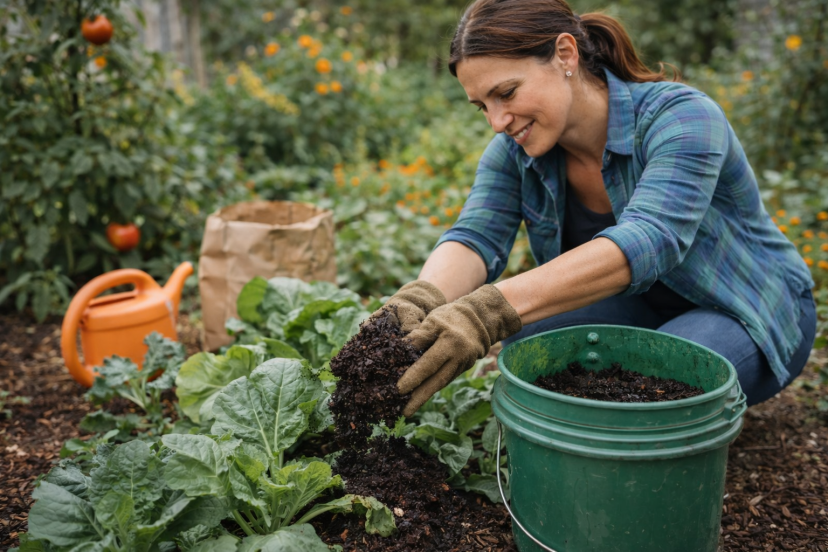
Compost is one of the most effective natural fertilizers for garden beds, lawns, and containers.
🔧 How To Use Compost
- Mix into soil before planting
- Top-dress garden beds
- Blend with potting soil
- Use as mulch around plants
Homemade compost is free and sustainable, making it ideal for eco-conscious gardeners.
🥈 #2 Manure Fertilizer: Powerful And Proven
Manure fertilizer has been used for centuries—and still delivers excellent results.
🌿 Common Types Of Manure Fertilizer
- Cow manure
- Chicken manure
- Horse manure
- Sheep or goat manure
⚠️ Important Safety Note
- Always use aged or composted manure
- Fresh manure can burn plants
- Raw manure may contain pathogens
🌱 Best Uses
- Vegetable gardens
- Fruit trees
- Flower beds
Manure fertilizer adds nitrogen and organic matter, making it one of the strongest natural fertilizers for garden productivity.
🥉 #3 Compost Tea: Fast-Acting Organic Plant Food
Compost tea is a liquid fertilizer made by steeping compost in water.
💧 Why Compost Tea Is Popular
- Delivers nutrients quickly
- Boosts microbial activity
- Improves plant resilience
🔧 Simple Compost Tea Recipe
- Fill a bucket with water
- Add finished compost
- Let steep 12–24 hours
- Strain and water plants
Use compost tea on leaves or soil for quick nutrient support.
🌿 #4 Worm Castings: Gentle But Powerful
Worm castings (vermicompost) are one of the richest forms of organic plant food.
🌱 Benefits Of Worm Castings
- High nutrient availability
- Improves soil structure
- Safe for seedlings
- Enhances root growth
They’re ideal for houseplants, containers, and raised beds.
🌾 #5 Bone Meal And Blood Meal (Use Carefully)
Animal-based meals provide targeted nutrients.
🔧 What They Provide
- Bone meal → phosphorus
- Blood meal → nitrogen
⚠️ Best Practices
- Use sparingly
- Follow package instructions
- Avoid over-application
These supplements work best when soil tests show deficiencies.
🌿 #6 Green Manure And Cover Crops
Green manure isn’t manure at all—it’s plants grown to improve soil.
🌱 Common Cover Crops
- Clover
- Alfalfa
- Rye grass
- Vetch
🌿 Benefits
- Adds organic matter
- Prevents erosion
- Improves nitrogen levels
Cover crops are popular in U.S. organic farming and home gardens alike.
💧 #7 Fish Emulsion And Seaweed Fertilizers
Liquid natural fertilizers can provide quick boosts.
🌿 Why Gardeners Use Them
- Fast nutrient absorption
- Contains trace minerals
- Improves plant stress tolerance
Choose sustainably sourced products to reduce environmental impact.
🌱 How To Choose The Right Natural Fertilizer For Your Garden
Not every fertilizer fits every situation.
✅ Quick Selection Guide
- Poor soil: Compost + manure fertilizer
- Fast growth needs: Compost tea or fish emulsion
- Seedlings: Worm castings
- Flowering plants: Bone meal (if needed)
Combining multiple natural fertilizers for garden use often works best.
☀️ When To Consult A Professional
Most organic fertilizing is DIY-friendly, but expert advice can help.
🔧 Consider A Professional If:
- Soil tests show severe deficiencies
- You manage large garden plots
- You grow high-value crops
- Local regulations restrict amendments
U.S. extension services often offer free soil testing and guidance.
❓ FAQs About Natural Fertilizers For Garden Use
🌱 What are the best natural fertilizers for garden soil?
Compost, manure fertilizer, worm castings, and compost tea are among the best options.
💧 How often should I apply organic plant food?
Most natural fertilizers are applied seasonally or monthly, depending on type.
🌿 Can natural fertilizers replace chemical ones?
Yes. With proper soil care, natural fertilizers fully replace synthetic products.
🌾 Is manure fertilizer safe for vegetables?
Yes—if it’s fully composted or aged before application.
🌱 Does compost tea really work?
Yes. Compost tea delivers nutrients and beneficial microbes quickly.
☀️ Are natural fertilizers better for the environment?
Absolutely. They reduce runoff, support soil life, and lower pollution.
🌿 Can I mix different organic fertilizers?
Yes. Mixing compost, compost tea, and manure fertilizer often improves results.
🌟 Conclusion: Feed Your Soil, Not Just Your Plants
The best gardens don’t rely on chemicals—they rely on healthy soil.
By choosing natural fertilizers for garden care, you build stronger plants, richer soil, and a more sustainable growing system. Whether you start with compost, experiment with compost tea, or add manure fertilizer, every organic choice makes a difference.
You don’t need perfection—just progress.
Start small, observe your plants, and let nature do the heavy lifting.
⚠️ Disclaimer
Always follow local regulations, HOA guidelines, and product instructions when applying fertilizers. Avoid over-application and consult professionals for large-scale or regulated gardening projects.
 Explore more:
- Eco-Friendly Yard Materials: What to Use & Avoid
- How To Build A DIY Compost Bin
- Natural Pest Control For Eco-Friendly Yards