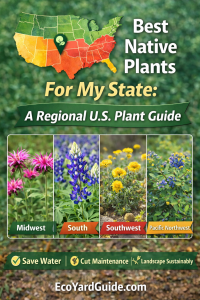
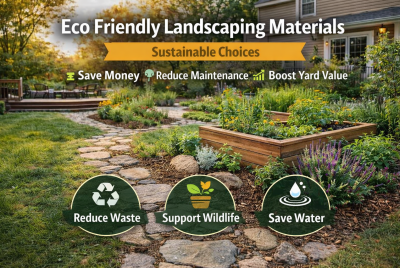
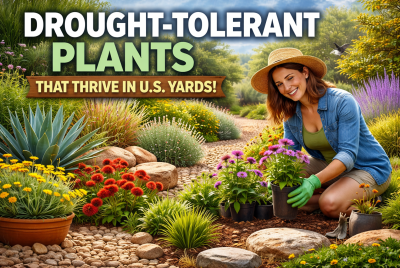
Best Native Plants For My State: A U.S. Regional Guide For Eco-Friendly Yards
🌿 Why Native Plants Are The Smartest Choice For Your Yard
Eco-conscious homeowners across the U.S. are rethinking traditional landscaping. High-water lawns, imported plants, and constant maintenance don’t just drain your wallet — they also waste resources and strain local ecosystems. That’s why more people are searching for the best native plants for my state.
Native plants are species that evolved naturally in your region. They’re adapted to local rainfall, soil, and climate, which means they need less water, fewer chemicals, and far less maintenance. Choosing the right U.S. native plants helps you save money, reduce waste, and create a yard that works with nature instead of against it.
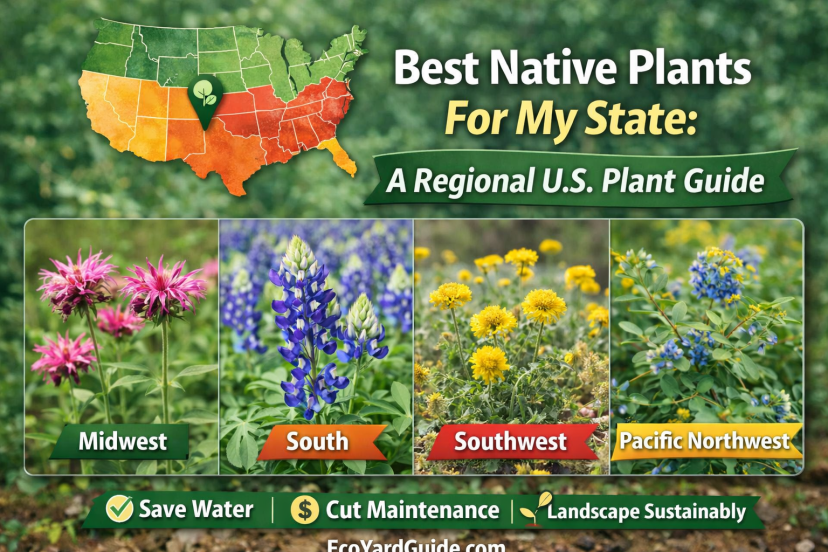
This regional plant guide breaks down the best native plants by major U.S. regions, making it easier to choose plants that thrive where you live.
💧 Why Native Plants Matter For Sustainable Landscaping
Native plants are the backbone of eco-friendly local landscaping.
✅ Benefits Of Choosing Native Plants
-
Require less watering once established
-
Reduce the need for fertilizers and pesticides
-
Support pollinators like bees and butterflies
-
Improve soil health and erosion control
-
Lower long-term maintenance costs
For homeowners building a sustainable yard, selecting the best native plants for my state is one of the most impactful steps you can take.
🌱 How To Choose The Best Native Plants For My State
Before planting, it’s important to understand your region’s conditions.
🔧 Key Factors To Consider
-
Average rainfall
-
Temperature extremes
-
Soil type
-
Sun exposure
-
Local drought conditions
Matching plants to these factors ensures your regional plant guide choices succeed in the long term.
🌎 Best Native Plants By U.S. Region
Below are recommended U.S. native plants organized by major geographic regions. These lists are ideal starting points for local landscaping projects.
🌾 Midwest (Illinois, Ohio, Iowa, Missouri, Minnesota)
Midwestern native plants are known for their resilience to temperature swings.
🌱 Midwest Native Plant Favorites
-
Purple coneflower
-
Black-eyed Susan
-
Switchgrass
-
Wild bergamot
-
Prairie dropseed
These plants thrive in a variety of soils and support local wildlife, making them among the best native plants for my state if you live in the Midwest.
🌲 Pacific Northwest (Washington, Oregon)
This region benefits from moisture-tolerant native species.
🌱 Pacific Northwest Native Plants
-
Red flowering currant
-
Salal
-
Oregon grape
-
Douglas aster
-
Vine maple
These plants support biodiversity while fitting naturally into local landscaping designs.
🌵 Southwest (Arizona, New Mexico, Nevada)
Drought-tolerant plants dominate this region.
🌱 Southwest Native Plant Options
-
Desert marigold
-
Penstemon
-
Agave
-
Yucca
-
Texas sage
These species are ideal for homeowners seeking the best native plants for my state in dry climates.
🌴 Southeast (Florida, Georgia, Carolinas)
Warm, humid climates benefit from adaptable native plants.
🌱 Southeast Native Plant Picks
-
Beautyberry
-
Muhly grass
-
Coreopsis
-
Firebush
-
Blanket flower
These plants perform well in heat and support pollinators year-round.
🌻 Northeast (New York, Pennsylvania, New England)
Native plants here tolerate cold winters and seasonal moisture.
🌱 Northeast Native Plants
-
New England aster
-
Eastern red columbine
-
Serviceberry
-
Little bluestem
-
Bee balm
These plants are staples in many regional plant guide recommendations.
🌾 Great Plains (Kansas, Nebraska, Dakotas)
Grassland natives thrive in wind and sun exposure.
🌱 Great Plains Native Plants
-
Big bluestem
-
Indian grass
-
Prairie clover
-
Goldenrod
-
Milkweed
Milkweed is especially valuable for monarch butterflies.
🌱 Benefits Of Regional Native Planting
Using regionally appropriate plants strengthens ecosystems.
🌿 Why Regional Choices Matter
-
Plants thrive with minimal intervention
-
Less water waste
-
Better soil stability
-
Increased wildlife habitat
That’s why choosing the best native plants for my state is central to sustainable local landscaping.
🔧 How To Start A Native Plant Garden (Beginner Steps)
Starting small leads to a big impact.
🌱 Simple DIY Steps
-
Identify your U.S. region
-
Remove invasive plants
-
Improve soil with compost
-
Choose native plants
-
Use mulch to retain moisture
-
Water during the establishment phase
-
Reduce watering over time
This approach works well across all U.S. native plant regions.
💧 Water-Saving Tips When Using Native Plants
Even native plants benefit from smart watering.
💦 Eco-Friendly Watering Tips
-
Water early morning
-
Use drip irrigation
-
Group plants by water needs
-
Mulch heavily
Native plants reduce water use significantly once established.
👷 When To Consult A Professional
While native plant gardens are DIY-friendly, professional help may be useful if:
-
Your property has drainage issues
-
You’re removing large invasive plants
-
Local codes restrict plant removal
-
You want advanced irrigation systems
-
Your landscape redesign is extensive
A licensed landscaper or eco-contractor can help align your regional plant guide choices with local regulations.
❓ FAQs About The Best Native Plants For My State
🌱 1. How do I find the best native plants for my state?
Start with state extension services, native plant societies, and region-based guides like this one.
💧 2. Do native plants really save water?
Yes. Most native plants require far less water than non-native species once established.
🌿 3. Are native plants hard to maintain?
No. They’re generally lower-maintenance than traditional landscaping plants.
🌎 4. Can native plants work in small yards?
Absolutely. Many native plants thrive in compact spaces and containers.
☀️ 5. Do native plants attract pests?
They attract beneficial insects while reducing the need for pesticides.
🌱 6. Can I mix native and non-native plants?
Yes, but native plants should dominate for the best ecological benefits.
🌼 7. Do native plants increase home value?
Eco-friendly local landscaping with native plants is attractive to many buyers, especially in drought-prone areas.
🌿 Conclusion: Build A Better Yard With Native Plants
Choosing the best native plants for my state is one of the simplest ways to create a sustainable, low-maintenance, and beautiful yard. Native plants save water, support wildlife, and reduce long-term costs — all while fitting naturally into your local environment.
Every plant choice matters. When you landscape locally, you’re investing in both your home and the planet.
⚠️ Disclaimer
This article is for educational purposes only. Always follow local regulations, HOA rules, and state environmental guidelines. Plant availability and restrictions may vary by region.
 Explore more:
- Soil Testing For Eco Gardeners
- How To Reduce Lawn Water Usage Without Killing Your Grass
- Mulching Mistakes That Harm Soil Health