Sustainable Outdoor Furniture: Best Materials For 2026 That Last Longer And Protect The Planet
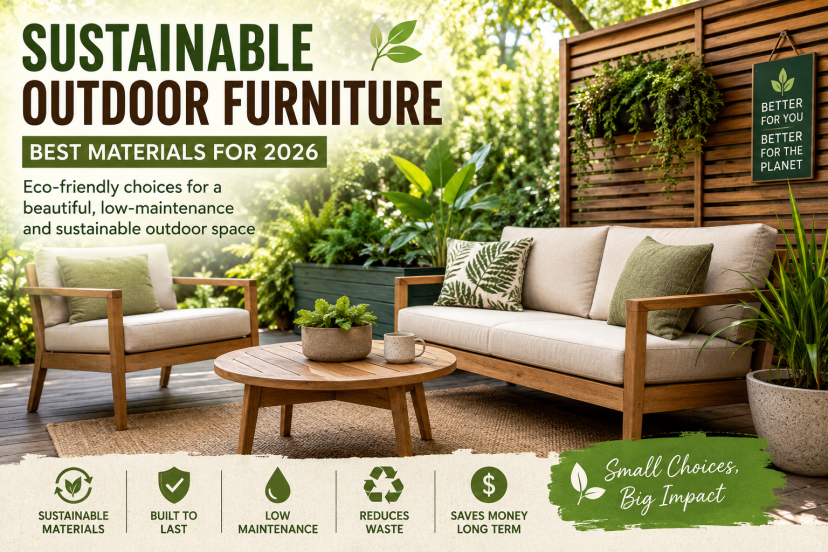
Creating a beautiful backyard doesn’t have to come at the expense of the environment. More homeowners across the United States are looking for smarter ways to furnish patios, decks, and gardens while reducing waste and lowering long-term costs. Choosing sustainable outdoor furniture is one of the easiest upgrades you can make.
Eco-friendly outdoor furniture isn’t just about recycled materials. It’s also about durability, responsible sourcing, low maintenance, and products that stay out of landfills for years. Investing in quality furniture made from sustainable materials often means replacing pieces less frequently, saving money while reducing your environmental footprint.
Whether you’re redesigning your patio, upgrading your deck, or creating a relaxing backyard retreat, this guide explains the best materials for sustainable outdoor furniture in 2026 and how to choose options that fit your budget and lifestyle.
⭐ Quick Answer
The best sustainable outdoor furniture materials for 2026 include FSC-certified teak, recycled plastic lumber (HDPE), recycled aluminum, bamboo, responsibly harvested eucalyptus, and reclaimed wood. These materials combine durability, weather resistance, lower environmental impact, and long service life, making them excellent choices for eco-conscious homeowners.
🌿 Why Sustainable Outdoor Furniture Matters
Outdoor furniture experiences constant exposure to sun, rain, humidity, and temperature changes. Cheap furniture often cracks, rusts, fades, or warps within only a few seasons.
Sustainable outdoor furniture focuses on long-lasting performance while minimizing environmental impact through:
- ♻️ Recycled materials
- 🌳 Responsibly managed forests
- 🔨 Repairable construction
- 🏡 Long product lifespan
- 🚛 Lower manufacturing waste
- 🌎 Reduced landfill waste
Buying quality furniture once instead of replacing inexpensive sets every few years is usually the greener—and often cheaper—choice.
🌎 What Makes Outdoor Furniture Sustainable?
Not every product labeled “eco-friendly” truly is. Look for furniture that meets several sustainability standards.

Important Characteristics
- FSC-certified wood
- Recycled plastic materials
- Recycled aluminum frames
- Low-VOC finishes
- Replaceable cushions
- Modular designs
- Rust-resistant hardware
- Long manufacturer warranties
- Minimal packaging
- Locally manufactured products when available
The longer furniture lasts, the lower its overall environmental impact.
🪵 Best Sustainable Outdoor Furniture Materials For 2026
FSC-Certified Teak
Teak remains one of the most durable outdoor woods available.
Benefits include:
- Natural weather resistance
- Resistant to insects
- Extremely long lifespan
- Minimal maintenance
- Ages into an attractive silver-gray patina
Always look for FSC certification, which confirms the wood comes from responsibly managed forests.
Best for:
- Dining sets
- Benches
- Lounge chairs
- Outdoor sofas
♻️ Recycled Plastic Lumber (HDPE)
High-Density Polyethylene (HDPE) furniture is becoming one of the fastest-growing sustainable choices.
It is commonly made from:
- Milk jugs
- Shampoo bottles
- Laundry detergent containers
- Food packaging
Advantages include:

- Never rots
- Doesn’t splinter
- Highly UV resistant
- Very low maintenance
- Easy to clean
- Excellent durability
HDPE outdoor furniture often lasts 20 years or more.
🪙 Recycled Aluminum
Aluminum is one of the most recyclable materials in the world.
Benefits include:
- Lightweight
- Rust resistant
- Long lifespan
- Requires very little maintenance
- Easy to recycle again
Powder-coated recycled aluminum frames work especially well for modern patio furniture.
🎋 Bamboo
Modern engineered bamboo is much stronger than many people expect.
Advantages include:
- Extremely renewable
- Fast-growing plant
- Attractive appearance
- Lightweight
- Lower carbon footprint
Only purchase outdoor bamboo specifically designed for exterior use with weather-resistant finishes.
🌳 Responsibly Harvested Eucalyptus
Eucalyptus offers an excellent balance between affordability and sustainability.
Benefits include:
- Fast-growing hardwood
- Naturally durable
- Attractive grain
- Lower cost than teak
- Renewable when responsibly harvested
Regular oil treatments help extend its lifespan.
🪚 Reclaimed Wood
Reclaimed lumber gives old wood a second life.
Common sources include:

- Old barns
- Factory flooring
- Shipping materials
- Historic buildings
Every reclaimed piece has unique character while preventing perfectly usable wood from entering landfills.
🏡 How To Choose Sustainable Outdoor Furniture
Before purchasing new furniture, consider these important factors.
Climate
Hot southern climates need UV-resistant materials.
Wet regions benefit from:
- HDPE
- Aluminum
- Teak
Dry climates allow greater flexibility.
Maintenance
Ask yourself honestly:
How much maintenance are you willing to perform?
Low-maintenance choices include:

- HDPE
- Aluminum
- Powder-coated steel
- Synthetic eco-friendly wicker
Wood generally requires occasional cleaning and protective treatments.
Repairability
Look for furniture with:
- Replaceable cushions
- Standard hardware
- Individual replacement parts
- Modular designs
Repairable furniture stays useful much longer.
Manufacturer Transparency
Choose companies that clearly explain:
- Material sourcing
- Recycling practices
- Environmental certifications
- Product lifespan
- Warranty coverage
Transparency is often a sign of higher product quality.
🌼 Eco-Friendly Cushion Materials
Furniture frames are only part of the equation.
Consider cushions made from:
- Recycled polyester fabric
- Solution-dyed acrylic
- Organic cotton covers
- Recycled foam filling
Look for removable covers that can be washed instead of replacing the entire cushion.

🛠️ DIY Ways To Make Existing Furniture More Sustainable
You don’t always need to buy new furniture.
Many older pieces can be refreshed.

Sand And Refinish Wood
A fresh coat of low-VOC exterior stain or natural oil can dramatically extend furniture life.
Replace Cushions
Instead of discarding an entire chair:
- Replace foam
- Sew new covers
- Use recycled outdoor fabrics
Replace Rusted Hardware
Simple stainless steel screws or bolts often restore structural strength.
Repaint Metal Furniture
Clean surface rust before applying:
- Rust converter
- Eco-friendly primer
- Outdoor enamel paint
This can extend metal furniture life for many additional years.
💰 How Sustainable Outdoor Furniture Saves Money
Although eco-friendly furniture sometimes costs more upfront, the long-term savings are often significant.
Benefits include:
- Fewer replacements
- Lower maintenance costs
- Better weather resistance
- Higher resale value
- Reduced repair expenses
Buying one quality patio set that lasts 20 years is often less expensive than replacing inexpensive furniture every 3–5 years.
🌎 Additional Ways To Create An Eco-Friendly Outdoor Living Space
Pair sustainable outdoor furniture with other green improvements.
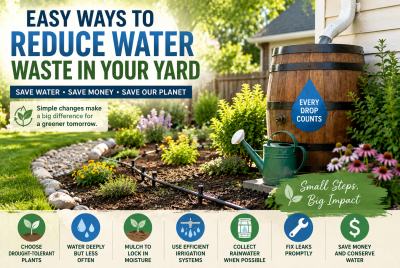
Water-Wise Landscaping
Reduce irrigation needs using:
- Native plants
- Mulch
- Drip irrigation
- Rain barrels
Many U.S. communities encourage water conservation through local rebate programs and seasonal watering guidelines.
Solar Lighting
Install solar-powered:

- Path lights
- Deck lights
- String lights
- Garden spotlights
Modern LED solar lighting performs much better than earlier generations while reducing electricity use.
Outdoor Rugs Made From Recycled Materials
Many attractive outdoor rugs now use recycled plastic fibers that resist mold, moisture, and fading.
Compost Garden Waste
Composting leaves, grass clippings, and plant trimmings helps reduce landfill waste while producing nutrient-rich compost for your garden.
👷 When To Consult A Professional
Most homeowners can select and assemble sustainable outdoor furniture themselves. However, consider consulting a professional if you are:
- Building a large outdoor kitchen or entertainment area
- Designing retaining walls or extensive hardscaping
- Installing solar-powered outdoor electrical systems
- Constructing decks or pergolas
- Planning major drainage improvements
- Creating a complete eco-friendly landscape design
A licensed landscaper, eco-contractor, or qualified solar installer can help ensure your project meets local building codes, safety requirements, and long-term sustainability goals.
❓ FAQs: Sustainable Outdoor Furniture
1. What is the most sustainable outdoor furniture material?
Recycled HDPE plastic, FSC-certified teak, reclaimed wood, recycled aluminum, and responsibly harvested eucalyptus are among the most sustainable choices due to their durability and lower environmental impact.
2. Is recycled plastic outdoor furniture durable?
Yes. Quality HDPE furniture resists fading, cracking, insects, moisture, and rot. Many products last 20 years or longer with minimal maintenance.
3. Is teak environmentally friendly?
Teak can be environmentally friendly when it carries FSC certification, indicating it comes from responsibly managed forests.
4. Does sustainable outdoor furniture require more maintenance?
Not necessarily. HDPE and recycled aluminum require very little maintenance. Wood furniture typically benefits from occasional cleaning and protective treatments.
5. Is bamboo good for outdoor furniture?
Engineered outdoor-grade bamboo performs well when properly treated for weather exposure. Indoor bamboo furniture should not be used outdoors.

6. Can I make my current patio furniture more eco-friendly?
Yes. Refinishing wood, repainting metal, replacing cushions, repairing hardware, and reusing existing furniture all reduce waste and extend product life.
7. Is expensive outdoor furniture worth it?
Often, yes. Higher-quality sustainable furniture generally lasts much longer, reducing replacement costs and environmental impact over time.
🎯 Final Thoughts
Choosing sustainable outdoor furniture is one of the smartest investments you can make for both your home and the environment. Durable materials like FSC-certified teak, recycled HDPE, reclaimed wood, recycled aluminum, bamboo, and responsibly harvested eucalyptus provide years of reliable use while reducing waste and conserving natural resources.
By combining long-lasting furniture with water-wise landscaping, solar lighting, recycled accessories, and simple maintenance, you can create an inviting outdoor space that’s beautiful, practical, and environmentally responsible. Every thoughtful purchase helps reduce landfill waste, supports sustainable manufacturing, and creates a greener future—one backyard at a time.
Disclaimer: This article is for general informational purposes only. Always follow manufacturer instructions when assembling or refinishing outdoor furniture, use appropriate safety equipment during DIY projects, and check local building codes and environmental regulations before undertaking major outdoor improvements.
 Explore more:
- Best Plants For Indoor Gardening
- Solar Panels For Garden Shed
- Eco-Friendly Lawn Alternatives for Pollinators