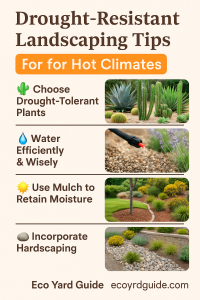
Drought-Resistant Landscaping Tips for Hot Climates: How to Create a Beautiful, Water-Smart Yard
🌞 A Beautiful Yard Without Wasting Water
If you live in a hot, dry climate, keeping your yard green can feel like a constant battle — and an expensive one. But with smart planning and drought-resistant landscaping, you can enjoy a thriving, attractive outdoor space while dramatically reducing water use. From the deserts of Arizona to the sunny coasts of California, more homeowners are turning to sustainable yard design that saves money 💰, conserves water 💧, and supports the environment 🌎.
This guide will show you how to create a gorgeous, water-efficient landscape that beats the heat — without sacrificing beauty or comfort.
🌿 What Is Drought-Resistant Landscaping?
Drought-resistant landscaping, also known as xeriscaping, is a design approach focused on reducing or eliminating the need for irrigation. It combines smart plant selection, efficient watering systems, and eco-friendly materials to create sustainable, low-water landscapes.
Key Principles of Drought-Resistant Landscaping:
-
Choose native and drought-tolerant plants 🌵
-
Improve soil health and moisture retention 🌱
-
Use efficient irrigation (like drip systems) 💧
-
Reduce lawn areas (or replace with alternatives) 🌾
-
Mulch to retain water and block weeds 🍂
-
Incorporate shade, hardscape, and sustainable materials 🪵
🌵 1. Choose Native and Drought-Tolerant Plants
The foundation of drought-resistant landscaping starts with choosing the right plants. Native species naturally adapt to your local soil, rainfall, and temperature conditions — meaning they require less maintenance and water.
Best Drought-Tolerant Plants for U.S. Regions:
| Region | Native & Drought-Resistant Plants |
|---|---|
| Southwest (AZ, NM, NV) | Agave, yucca, desert marigold, red yucca |
| West Coast (CA, OR, WA) | California poppy, lavender, sagebrush, manzanita |
| Midwest (TX, OK, KS) | Lantana, black-eyed Susan, purple coneflower |
| Southeast (FL, GA) | Blanket flower, muhly grass, salvia, coreopsis |
🌼 Pro Tip: Group plants with similar water needs together — this technique, called “hydrozoning,” ensures efficient irrigation and healthier growth.
💧 2. Improve Soil Health for Better Water Retention
Healthy soil is the secret weapon of any sustainable yard. When soil structure and organic content are strong, it can retain moisture longer, reducing how often you need to water.
Soil Improvement Tips:
-
Add compost or organic matter to improve structure and nutrient balance
-
Mix in coconut coir or peat moss to enhance water absorption
-
Avoid chemical fertilizers — they can degrade soil microbes over time
🌱 Quick DIY Tip: Spread 2 inches of compost over your soil in spring and fall to help boost its water-holding power naturally.
🌼 3. Replace Thirsty Lawns with Sustainable Alternatives
Traditional grass lawns require constant watering, mowing, and fertilizing. Replacing them with eco-friendly ground covers can save thousands of gallons of water per year.
Eco Lawn Alternatives:
🌿 Buffalo grass – drought-tolerant and soft
🍀 Clover lawns – self-fertilizing and pest-resistant
🌾 Ornamental grasses – like blue fescue or fountain grass
🍃 Groundcovers – creeping thyme, sedum, or moss
💧 Water Savings: A 500 sq. ft. area of buffalo grass uses up to 75% less water than a traditional lawn.
☀️ 4. Use Mulch to Lock in Moisture
Mulch isn’t just decorative — it’s a moisture-retaining powerhouse. It helps reduce evaporation, keeps roots cool, and suppresses weeds.
Best Mulches for Hot Climates:
-
Organic: wood chips, bark, straw, or compost
-
Inorganic: gravel, pebbles, or decomposed granite
Spread 2–3 inches of mulch around plants, but keep it an inch away from stems to prevent rot.
🌻 Eco Tip: Use recycled wood mulch or leaf litter for a zero-waste, budget-friendly option.
🌳 5. Add Shade with Trees and Structures
Strategic shading cools your yard naturally — and reduces your home’s energy bills.
Smart Shade Ideas:
🌴 Plant drought-tolerant trees like mesquite, palo verde, or desert willow
🪴 Use pergolas, trellises, or shade sails over patios and seating areas
🌿 Add climbing vines like trumpet creeper or jasmine for natural coverage
💡 Bonus: Well-placed trees can reduce air conditioning costs by up to 25% during the summer.

🪨 6. Incorporate Hardscape and Rock Gardens
Hardscaping — using stone, gravel, or recycled materials — reduces the need for irrigation while adding structure and beauty.
Drought-Smart Hardscape Ideas:
🪵 Gravel pathways
🪨 Rock gardens or boulder groupings
🌾 Dry riverbeds for drainage and design
🧱 Permeable pavers for patios and driveways
🌎 Eco-Friendly Option: Use locally sourced stone and recycled concrete to minimize your carbon footprint.
💦 7. Install a Drip Irrigation System
Drip irrigation delivers water directly to plant roots, reducing waste and evaporation. It’s far more efficient than sprinklers — especially in hot, windy areas.
Benefits of Drip Irrigation:
-
Saves up to 50% more water than sprinklers
-
Prevents overwatering
-
Reduces fungal diseases caused by wet foliage
💧 Pro Tip: Use a timer or moisture sensor for precise watering — your plants get exactly what they need, no more.
🌾 8. Use Smart Watering Techniques
Even drought-tolerant plants need water — but timing and technique make a huge difference.
Best Practices:
-
Water early morning or evening to reduce evaporation
-
Water deeply but infrequently to encourage deep roots
-
Collect rainwater in barrels for supplemental use
🌧️ Bonus Idea: Direct your roof gutters toward garden beds to reuse rainfall naturally.
🏡 9. Design with Color, Texture, and Contrast
A drought-resistant yard doesn’t have to look dry or dull. Use contrast in textures and colors to create visual interest.
Design Inspiration:
-
Combine succulents with flowering perennials 🌼
-
Mix rock borders with vibrant desert blooms 🌺
-
Add rustic planters or recycled materials for character
🌿 Example Layout:
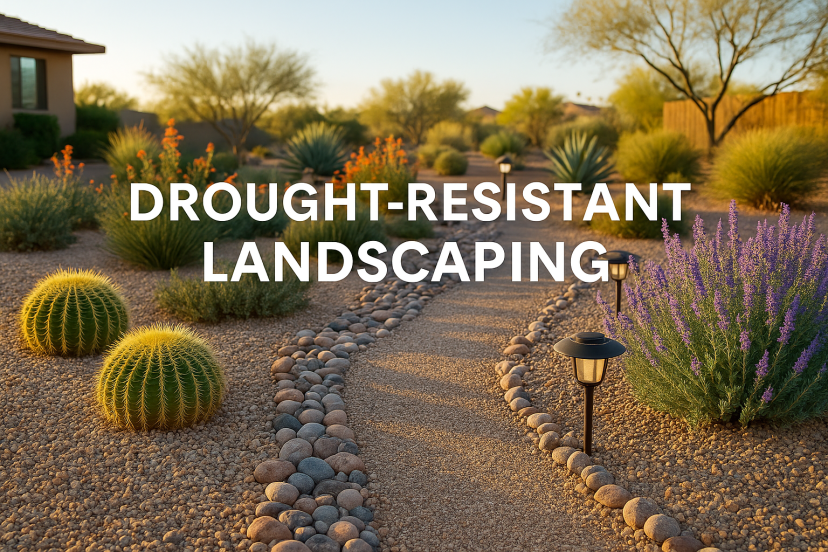
Cacti + Lavender + River Rock + Solar Path Lights = a stunning, sustainable design that thrives in heat.
🔋 10. Add Solar Features and Energy-Efficient Decor
Sustainability goes beyond plants — energy efficiency completes the picture.
Eco Upgrades for Your Landscape:
☀️ Solar garden lights or lanterns
💡 LED accent lighting
🌬️ Solar-powered water fountains
🪑 Recycled furniture for patios
These upgrades reduce electricity use while adding charm and ambiance to your yard.
🌍 Bonus Tip: Support Local Wildlife
Native plants and drought-tolerant shrubs support pollinators like bees, butterflies, and hummingbirds.
How to Create a Wildlife-Friendly Space:
🦋 Add birdbaths or small water dishes
🌸 Plant nectar-rich flowers
🐝 Avoid pesticides — they harm beneficial insects
🌾 Leave some wild patches for natural habitat
🌻 Result: A low-maintenance, water-efficient landscape that supports local ecosystems.
💚 Example Drought-Resistant Yard Plan
| Feature | Benefit | Cost Level |
|---|---|---|
| Native Plants | Reduce water use, attract wildlife | $ |
| Gravel Pathway | Prevents runoff, easy upkeep | $$ |
| Drip Irrigation | Water-efficient | $$ |
| Mulch Beds | Conserves moisture | $ |
| Solar Lights | Energy-efficient | $$ |
| Shade Trees | Reduce heat naturally | $$$ |
💬 7 FAQs About Drought-Resistant Landscaping
1. What makes a landscape drought-resistant?
It uses plants, soil, and irrigation methods that reduce the need for extra watering — creating a sustainable ecosystem even in dry conditions.
2. What are the best drought-tolerant plants for beginners?
Lavender, succulents, agave, lantana, and native grasses are low-maintenance and perfect for beginners.
3. How much can I save on water with drought landscaping?
Depending on your design, you could save 30–60% on water bills annually.
4. Can I still have a lawn in a drought-tolerant yard?
Yes — use drought-friendly grasses like buffalo or Bermuda grass, or opt for clover lawns.
5. How do I maintain my drought-resistant yard?
Prune plants seasonally, check irrigation lines regularly, and refresh mulch every 6–12 months.

6. Is drought-resistant landscaping expensive to start?
Not necessarily — many projects can be done DIY, and the savings on water and maintenance quickly offset the cost.
7. What’s one easy change to start with?
Replace a small patch of lawn with native plants or install a rain barrel — small steps lead to big impact.
🌿 Conclusion: A Smart Yard for a Hotter Future
Building a drought-resistant landscape isn’t just about surviving the heat — it’s about thriving in it. With the right plants, soil care, and water-efficient design, you can create a beautiful yard that’s both sustainable and cost-effective.
💚 Remember: Every drop counts. By adopting eco-conscious landscaping habits, you’ll not only protect your wallet but also contribute to a greener, more resilient planet.
⚠️ Disclaimer
This article is for informational purposes only and should not replace professional landscaping or environmental guidance. Always consider your local climate and water regulations before beginning large-scale outdoor projects.
 Explore more:
- 10 Eco-Friendly Yard Ideas to Transform Your Outdoor Space Naturally
- 12 Low-Maintenance Landscaping Ideas for Busy Homeowners
- How to Create a Sustainable Backyard Garden on a Budget