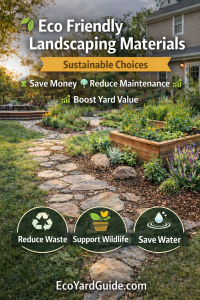
Eco Friendly Landscaping Materials: Smart Sustainable Choices That Save Money And Boost Yard Value
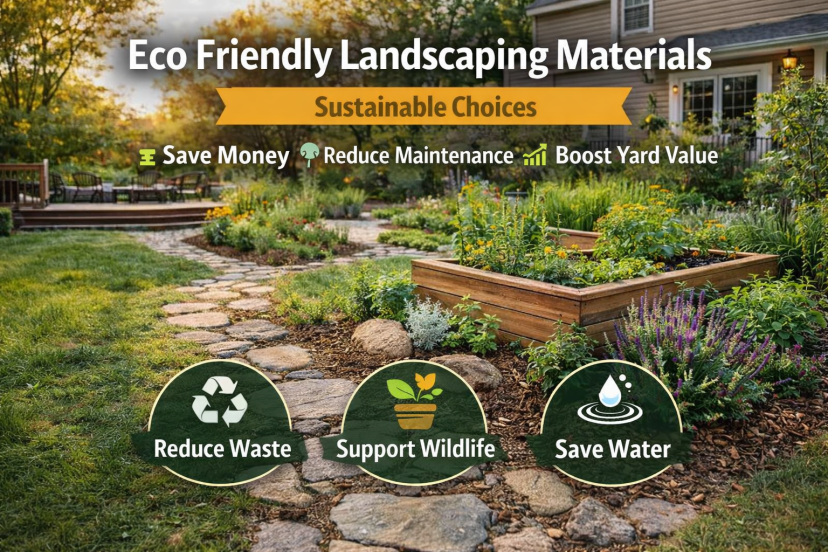
🏡 Why Eco Friendly Landscaping Materials Matter For Modern Families
If you’re like many U.S. homeowners, you want a yard that:
-
Costs less to maintain
-
Uses less water and chemicals
-
Looks beautiful year-round
-
Increases property value
-
Supports a cleaner, greener future for your family
That’s where eco friendly landscaping materials make a huge difference. Instead of relying on traditional materials that trap heat, waste water, or require chemicals, sustainable materials work with nature — not against it.
Across the U.S., more families are shifting toward eco home & outdoor living upgrades that lower long-term costs while improving yard durability and environmental impact.
⚡ Quick Answer: What Are Eco Friendly Landscaping Materials?
Eco friendly landscaping materials are sustainable, recycled, or natural materials that reduce environmental impact while improving yard performance and longevity.
Examples include:
-
Recycled composite decking
-
Permeable pavers
-
Reclaimed wood
-
Natural stone
-
Organic mulch
-
Recycled gravel or crushed concrete
These materials support eco-friendly landscaping & lawn care, improve soil health & organic fertilization, and help with water conservation & irrigation efficiency.
🌎 Why Traditional Landscaping Materials Cause Problems
🚫 Common Issues With Conventional Materials
Traditional yard materials often cause:
-
Heat absorption (raising yard temperature)
-
Chemical leaching into soil
-
Poor drainage and runoff
-
Shorter lifespan requiring replacement
This is why many homeowners are switching to eco friendly landscaping materials as part of climate & sustainability education trends across the U.S.
🌱 Top Eco Friendly Landscaping Materials (Beginner Guide)
🪵 1️⃣ Reclaimed Or FSC-Certified Wood
Great for:
-
Raised beds
-
Fences
-
Garden edging
Benefits:
-
Reduces deforestation
-
Long lifespan when sealed properly
-
Supports DIY eco projects & recycled materials
🧱 2️⃣ Permeable Pavers And Recycled Concrete
Great for:
-
Driveways
-
Walkways
-
Patios
Benefits:
-
Reduces flooding
-
Supports groundwater recharge
-
Improves drainage
🪨 3️⃣ Natural Stone
Great for:
-
Retaining walls
-
Pathways
-
Outdoor living spaces
Benefits:
-
Extremely durable
-
No chemical manufacturing
-
Works well with native plants & biodiversity
🌾 4️⃣ Organic Mulch And Compost-Based Materials
Great for:
-
Garden beds
-
Tree rings
-
Soil conditioning
Benefits:

-
Improves soil nutrients
-
Reduces watering needs
-
Supports sustainable gardening & composting
♻️ 5️⃣ Recycled Plastic Landscape Products
Great for:
-
Edging
-
Garden furniture
-
Decking
Benefits:
-
Diverts waste from landfills
-
Long lifespan
-
Low maintenance
🏡 Real-Life Scenario: Sustainable Yard Upgrade In Colorado
Problem:
High water bills + cracked concrete patio
Eco Friendly Landscaping Materials Solution:
-
Replaced concrete patio with permeable pavers
-
Installed recycled composite decking
-
Added mulch beds with native plants
Results After 1 Year:
-
Water use dropped ~25%
-
The patio stayed cooler in summer
-
Less weed growth
-
Increased curb appeal
🧠 Self Assessment Checklist: Are You Using Sustainable Yard Materials?
Check what applies:
-
The yard gets extremely hot in the summer
-
Concrete or asphalt causes water pooling
-
Wood structures rot quickly
-
Soil dries out fast
-
The yard requires heavy chemical treatments
-
You replace landscaping materials every few years
If you checked 2+, eco-friendly landscaping materials could save you money long term.
⚖️ Expectation Vs Reality: Eco Friendly Landscaping Materials
| Expectation | Reality |
|---|---|
| Costs much more upfront | Many materials last 2–3× longer |
| Hard to find | Now widely available in U.S. stores |
| Only for luxury homes | Many DIY options exist |
| Hard to maintain | Usually lower maintenance |
💧 Water Conservation Benefits
Eco friendly landscaping materials help:
-
Reduce runoff
-
Improve soil moisture retention
-
Support efficient irrigation
-
Reduce heat evaporation
This supports water conservation & irrigation goals, especially in drought-prone U.S. states.
🐝 Wildlife And Environmental Benefits
Using eco friendly landscaping materials can:
-
Reduce chemical exposure
-
Support pollinators
-
Improve soil biodiversity
-
Protect local ecosystems
This supports wildlife & environmental support and native plants & biodiversity initiatives.
🌎 How Eco Friendly Landscaping Materials Support Climate-Resilient Yards
One major benefit of using eco friendly landscaping materials is long-term climate resilience. Many traditional materials crack, fade, or fail faster when exposed to extreme heat, freeze-thaw cycles, or heavy rain — all of which are becoming more common across many U.S. regions.

Sustainable materials like natural stone, permeable pavers, recycled composite decking, and organic mulch help stabilize soil temperature, improve drainage, and reduce erosion. This supports climate & sustainability education goals while helping homeowners avoid costly repairs. When combined with native plants & biodiversity strategies, these materials create yards that stay healthier with less water, fewer chemicals, and less maintenance over time.
🛠️ Practical Next Steps (Simple And Actionable)
Step 1: Replace High-Failure Materials First
Start with:
-
Cracked concrete
-
Rotting wood
-
Poor drainage surfaces
Step 2: Upgrade One Zone At A Time
Focus on:
-
Walkways
-
Patio areas
-
Garden bed borders
Step 3: Combine Materials For Best Results
Example:
-
Stone + mulch beds
-
Recycled decking + native plants
-
Permeable pavers + rain garden
Step 4: Pair With Solar And Energy Solutions
Many homeowners combine eco friendly landscaping materials with:
-
Energy-efficient outdoor kitchens
-
Smart irrigation
Supports solar & energy-efficient yard solutions.
🇺🇸 U.S.-Specific Buying Tips
Look for:
-
FSC certified wood labels
-
Recycled content percentage ratings
-
Permeable rating certifications
-
Local stone sourcing (lower transport footprint)
❓ FAQs: Eco Friendly Landscaping Materials
1. Are eco friendly landscaping materials more expensive?
Not always. Many cost slightly more upfront but last much longer, reducing replacement and maintenance costs.

2. What is the most affordable eco friendly landscaping material?
Gravel, mulch, and reclaimed materials are often the most budget-friendly options.
3. Do eco friendly landscaping materials increase home value?
Yes. Sustainable landscaping is increasingly attractive to buyers looking for low-maintenance, efficient homes.
4. Are recycled materials safe for landscaping?
Yes, when purchased from reputable suppliers that meet U.S. safety and environmental standards.
5. What material is best for eco-friendly patios?
Permeable pavers, natural stone, or recycled composite decking are top choices.
6. How long do eco friendly landscaping materials last?
Many last 15–50 years, depending on material type and installation quality.
🌟 Conclusion: Sustainable Materials = Smarter Yard Investment
Choosing eco friendly landscaping materials isn’t just good for the environment — it’s smart financial planning.
You can:
-
Reduce maintenance costs
-
Improve drainage and soil health
-
Lower water use
-
Increase property value
-
Build a yard that lasts decades
Start small. Replace one problem area. Then expand as you see results.

⚠️ Disclaimer
This article is for informational purposes only. Results may vary based on soil type, climate, installation quality, and local regulations. Always verify local building codes, HOA rules, and environmental guidelines before installing new landscaping materials.
 Explore more: