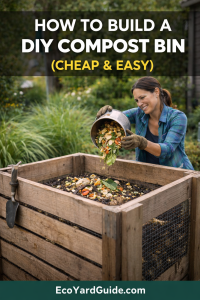
How To Build A DIY Compost Bin (Cheap & Easy For Any Backyard)
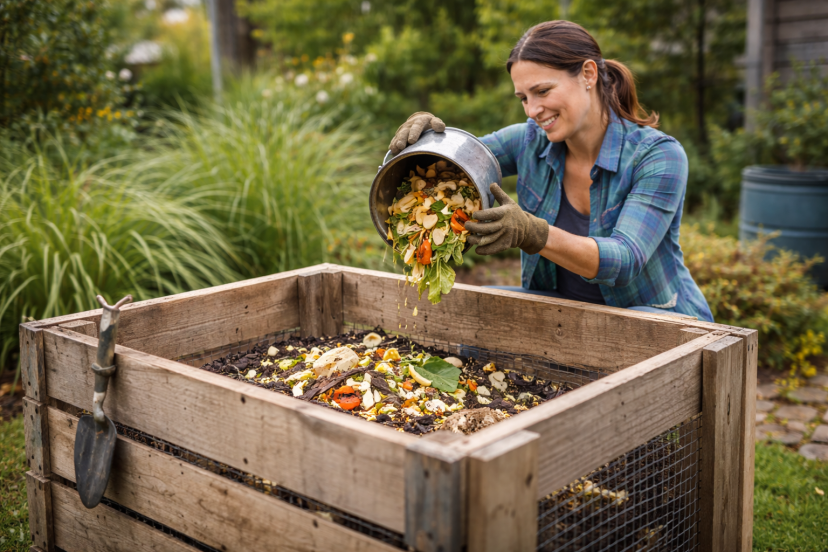
🌱 Turn Household Waste Into Free Garden Gold
If you’re trying to live more sustainably, reduce trash, and save money, composting is one of the smartest upgrades you can make to your yard.
Every year, the average U.S. household throws away hundreds of pounds of food scraps and yard waste that could be turned into nutrient-rich compost. Instead of paying for fertilizers or sending organic waste to landfills, a DIY compost bin lets you recycle those materials right in your backyard.
The best part?
You don’t need expensive equipment or special skills.
This guide walks you through cheap, easy DIY compost bin builds using common materials, with clear steps beginners can follow confidently. By the end, you’ll have a functional compost system that supports a healthier yard and a healthier planet.
🌿 Why Build A DIY Compost Bin Instead Of Buying One?
Store-bought compost bins can cost $100–$300, and many don’t fit every yard or lifestyle. A homemade compost container gives you flexibility without the high price tag.
✅ Benefits Of A DIY Compost Bin
- Saves money compared to commercial bins
- Uses recycled or leftover materials
- Customizable for small or large yards
- Reduces household waste
- Improves soil naturally
In many U.S. cities, composting is encouraged as part of waste-reduction programs, making backyard compost setups more popular than ever.
💧 How Composting Works (Quick Beginner Overview)
Before building your DIY compost bin, it helps to understand how composting actually works.
🌱 Composting Basics
- Organic waste breaks down with air, moisture, and microbes
- “Greens” provide nitrogen (food scraps, grass clippings)
- “Browns” provide carbon (leaves, cardboard, paper)
- Balanced layers speed up decomposition
A properly built homemade compost container supports airflow, drainage, and easy mixing.
🔧 Choosing The Best DIY Compost Bin Style For Your Yard
There’s no one-size-fits-all compost bin. The best design depends on space, budget, and how hands-on you want to be.
🌿 Common DIY Compost Bin Options
- Pallet compost bin
- Plastic storage bin compost system
- Wire mesh compost enclosure
- Wooden box compost bin
All of these options work well for backyard compost setups when built correctly.
🌱 Option 1: Cheap And Easy Plastic DIY Compost Bin
This is one of the fastest and most affordable ways to start composting.
🔧 Materials Needed
- Plastic storage tote with lid
- Drill or screwdriver
- Small bricks or wood blocks
🛠️ Step-By-Step Instructions
- Drill air holes
- Drill holes on all sides and the bottom
- Space holes 2–3 inches apart
- Elevate the bin
- Place bricks underneath for drainage
- Add compost materials
- Start with browns, then greens
- Cover and place outdoors
- Choose a shaded area
This homemade compost container is ideal for small yards and beginners.
🌿 Option 2: Pallet DIY Compost Bin (Great For Larger Yards)
Pallet bins are popular in suburban and rural U.S. homes because they’re sturdy and scalable.
🔧 Materials Needed
- 3–4 wooden pallets
- Screws or zip ties
- Optional: chicken wire
🛠️ Step-By-Step Instructions
- Stand pallets upright
- Form a three-sided box
- Secure corners
- Use screws or heavy-duty zip ties
- Add wire lining (optional)
- Helps hold loose materials
- Leave the front open or hinged
- Makes turning compost easier
This backyard compost setup allows excellent airflow and handles large volumes of waste.
🌿 Option 3: Wire Mesh Compost Bin (Fast And Flexible)
Wire bins are simple and effective for yard waste composting.
🔧 Materials Needed
- Hardware cloth or wire fencing
- Zip ties or wire
- Stakes (optional)
🛠️ Step-By-Step Instructions
- Form a circular enclosure
- Secure edges tightly
- Anchor to the ground
- Add compost materials
Wire bins are perfect for leaves, grass clippings, and seasonal cleanups.
💧 What To Put In Your DIY Compost Bin
Using the right materials keeps compost healthy and odor-free.
🌱 Compost “Greens” (Nitrogen)
- Fruit and vegetable scraps
- Coffee grounds and filters
- Grass clippings
- Plant trimmings
🌿 Compost “Browns” (Carbon)
- Dry leaves
- Shredded cardboard
- Newspaper (black ink only)
- Paper towels
Avoid meat, dairy, oils, and pet waste in backyard compost setups.
🔧 How To Maintain Your DIY Compost Bin Properly
A compost bin needs basic care, but it’s easier than most people expect.
✅ Compost Maintenance Tips
- Turn compost every 1–2 weeks
- Keep moisture like a wrung-out sponge
- Add browns if compost smells
- Break up large food scraps
With regular care, a DIY compost bin produces usable compost in 2–6 months.
🌿 Sustainability Benefits Of Backyard Composting
Composting isn’t just good for your yard—it benefits the environment too.
🌱 Environmental Benefits
- Reduces landfill methane emissions
- Improves soil structure and water retention
- Decreases the need for chemical fertilizers
- Supports healthier plant growth
According to the EPA, food waste makes up over 20% of landfill material in the U.S.—composting helps reduce that impact significantly.
☀️ Common DIY Compost Bin Mistakes To Avoid
Even simple compost systems can fail if a few basics are ignored.
🚫 Common Beginner Errors
- Too much food waste, not enough browns
- Poor airflow
- Overwatering
- Ignoring turning
Addressing these issues early helps your homemade compost container work efficiently.
🔍 When To Consult A Professional
Most composting projects are DIY-friendly, but some situations benefit from expert help.
🔧 Seek Professional Advice If:
- You manage compost for large properties
- Local regulations restrict composting
- You’re installing community compost systems
- Drainage or pest issues persist
Local extension offices often provide free composting guidance in the U.S.
❓ Frequently Asked Questions About DIY Compost Bins
🌱 What is the easiest DIY compost bin to build?
A plastic storage tote compost bin is the easiest and cheapest option for beginners.
💧 Does a compost bin smell?
When balanced correctly, a DIY compost bin smells earthy, not rotten.
🌿 How long does compost take to break down?
Most backyard compost setups produce usable compost in 2–6 months.
🔧 Can I compost in cold climates?
Yes. Composting slows in winter but resumes in warmer months.
☀️ Where should I place my compost bin?
Choose a shaded, well-drained area with easy access.
🌱 Do I need worms for composting?
No. Traditional composting works without worms.
♻️ Is composting legal everywhere in the U.S.?
Most areas allow composting, but check local ordinances or HOA rules.
🌟 Conclusion: A Small Build With A Big Impact
Building a DIY compost bin is one of the easiest ways to reduce waste, save money, and improve your yard naturally. With a few simple materials and basic care, you can turn everyday scraps into powerful soil nutrients.
You don’t need perfection—just consistency.
Start small, keep learning, and enjoy the satisfaction of creating something sustainable with your own hands.
⚠️ Disclaimer
DIY composting methods may vary by region. Always follow local regulations, HOA rules, and safety guidelines. Avoid composting prohibited materials and consult professionals for large-scale systems.
 Explore more:
- Eco-Friendly Yard Materials: What to Use & Avoid
- Eco-Friendly Mulching Tips to Improve Soil Health
- Natural Pest Control For Eco-Friendly Yards