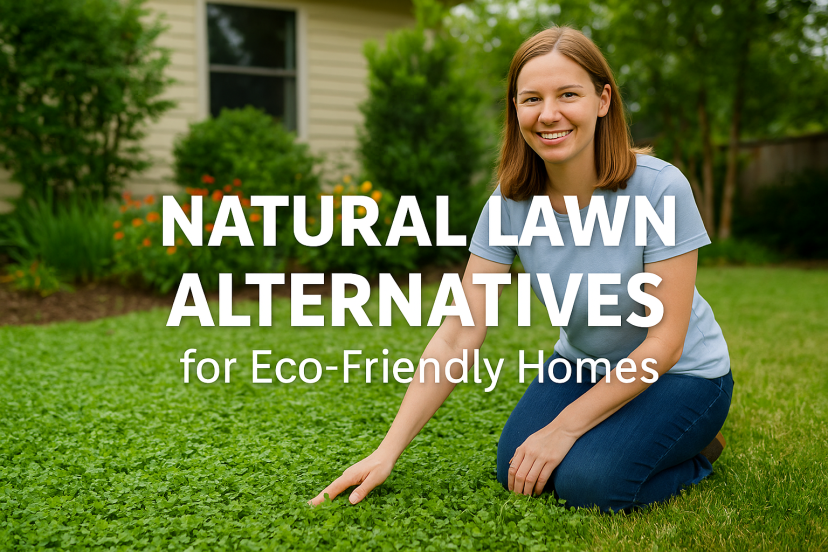
Natural Lawn Alternatives for Eco-Friendly Homes: Smart, Sustainable Replacements That Save Time & Water
🌍 Why Homeowners Are Replacing Traditional Lawns
Across the U.S., homeowners are rethinking the traditional grass lawn. High water bills, constant mowing, fertilizer runoff, and rising environmental concerns are pushing families toward smarter outdoor solutions. Many eco-conscious homeowners now want landscapes that save money, reduce waste, and support sustainable living—without sacrificing curb appeal.
That’s where natural lawn alternatives come in. Instead of fighting nature with chemical fertilizers and daily watering, today’s eco-friendly homeowners are choosing clover lawn systems, no-mow lawn designs, and other grass alternatives that work with nature—not against it.
In this guide, you’ll learn how to replace turf with low-maintenance, eco-friendly solutions like clover, native ground covers, moss lawns, and xeriscaping—plus exactly how to get started in your own yard.
💧 Why Traditional Grass Lawns Are Being Replaced
Before exploring natural lawn alternatives, it’s important to understand why turf grass is losing popularity.
✅ Key Problems With Traditional Lawns
-
High water consumption (up to 30–50% of residential water use)
-
Constant mowing and fuel emissions
-
Chemical fertilizer and pesticide runoff
-
Poor biodiversity support
-
Soil compaction and erosion
In drought-prone states like California, Arizona, Nevada, and Texas, outdoor water restrictions now limit lawn irrigation. Some cities even offer cash rebates for replacing turf with water-smart landscaping.
Switching to a no-mow lawn or clover lawn instantly cuts water use, eliminates most mowing, and reduces chemical exposure for kids and pets.
🌿 Benefits of Natural Lawn Alternatives
Replacing turf delivers both environmental and everyday lifestyle benefits.
✅ Eco & Homeowner Advantages
-
Lower water bills
-
No mowing or trimming
-
No chemical fertilizers
-
Improved soil health
-
More pollinators and wildlife
-
Higher drought resistance
-
Increased property value
A well-planned yard using natural lawn alternatives looks just as beautiful as turf—often more so—without the constant labor.

🌱 Clover Lawn: The Most Popular Turf Replacement
A clover lawn is one of the most affordable and beginner-friendly natural replacements for grass.
✅ Why Clover Lawns Are So Popular
-
Naturally drought-resistant
-
No fertilizer needed (adds nitrogen to soil)
-
Soft underfoot
-
Naturally suppresses weeds
-
Attracts bees and pollinators
-
Stays green even in the heat
🔧 How to Install a Clover Lawn
-
Rake and loosen existing soil
-
Add compost for nutrients
-
Broadcast clover seed evenly
-
Lightly water daily for 7–10 days
Within weeks, your clover lawn begins filling in without any mowing.
💡 U.S. Tip: White Dutch clover works well in most climates, while micro-clover blends nicely with the remaining turf.
🌾 No-Mow Lawn: Set It and Forget It
A no-mow lawn uses slow-growing plants that naturally stay short without trimming. It’s ideal for homeowners who want green coverage without weekend chores.
✅ Best No-Mow Lawn Options
-
Buffalo grass
-
Fine fescue blends
-
Creeping thyme
-
Sedum ground covers
These plants thrive with less water and fertilizer and are perfect for low-maintenance eco yards.
🍃 Native Ground Covers: Smart, Regional Solutions
Native plants are naturally suited to your local climate. Once established, they require little water, no chemicals, and very little maintenance.
✅ Popular U.S. Native Ground Covers
-
Wild strawberry (East Coast)
-
California lilac (West Coast)
-
Frogfruit (Southern states)
-
Bearberry (Northern climates)
Using native grass alternatives strengthens ecosystems, supports wildlife, and prevents erosion.
🌲 Moss Lawns: A Beautiful Shade Solution
Moss lawns work well in moist, shaded areas where turf struggles.

✅ Advantages
-
No mowing
-
No fertilizer
-
Thrives in shade
-
Soft texture
-
Filters air and water naturally
Moss is especially effective in Pacific Northwest climates and shaded East Coast yards.
☀️ Xeriscaping: The Ultimate Drought-Friendly Lawn Alternative
Xeriscaping uses rocks, native plants, and drought-resistant ground covers to eliminate irrigation almost entirely.
✅ Xeriscaping Benefits
-
No sprinklers
-
No mowing
-
Extreme drought resistance
-
Adds modern curb appeal
-
Lower long-term maintenance costs
Common xeriscape materials include:
-
Gravel
-
River rock
-
Native ornamental grasses
-
Hardy succulents
Many western states offer cash rebates for xeriscaping projects, sometimes paying homeowners per square foot of removed turf.
✅ Methods for Removing Existing Turf
Replacing grass begins with turf removal.
🔧 DIY Turf Removal Options
-
Manual sod cutting
-
Solarization (plastic sheet method)
-
Sheet mulching (cardboard + compost)
-
Mechanical sod cutter rentals
Sheet mulching is the most eco-friendly option and improves soil health naturally.
🌿 Materials Needed for Natural Lawn Alternatives
To build successful natural lawn alternatives, gather:
-
Mulch
-
Native seeds or plugs
-
Topsoil
-
Organic fertilizers
-
Drip irrigation lines (optional)
🛠️ Eco-Friendly Lawn Strategy by Yard Type
🏡 Front Yard
-
Clover lawn
-
Native flowering beds
-
Gravel walkways
🌳 Side Yard
-
Moss
-
Shade-tolerant ground covers
-
Permeable stone paths
🌞 Backyard
-
No-mow lawn blends
-
Xeriscape zones
-
Pollinator gardens
Designing zones allows you to mix grass alternatives for beauty and function.
⚡ Sustainability & Energy Benefits
Replacing lawns reduces irrigation pumps, sprinkler systems, and mowing equipment—cutting energy use and emissions. Pair natural lawns with:
-
Solar garden lights
-
Rain barrels
-
Drip irrigation
-
Electric lawn tools
This multiplies savings over time.
🛑 When to Consult a Professional
Before installing natural lawn alternatives, consult a professional if:
-
You live in an HOA-regulated area
-
You’re working with slopes or drainage issues
-
You plan to install irrigation systems
-
You’re applying for local turf-replacement rebates
-
You’re combining lawn replacement with solar installations
Certified sustainable landscapers and eco-contractors can prevent costly mistakes.

❓ FAQs About Natural Lawn Alternatives
1. What is the cheapest natural lawn alternative?
Clover is typically the most affordable and easiest to install.
2. Do natural lawn alternatives work in all climates?
Yes—different options perform better in different regions.
3. How much water can I save by replacing my lawn?
Homeowners typically reduce outdoor water use by 30–70%.
4. Are grass alternatives safe for kids and pets?
Yes—most are softer and chemical-free.
5. Do natural lawn alternatives attract bugs?
They attract beneficial insects, not pests.
6. Can I replace only part of my lawn?
Absolutely—many homeowners convert section by section.
7. Will natural lawn alternatives hurt resale value?
No—eco yards often increase curb appeal and buyer interest.
🌎 Conclusion: A Greener Yard Starts With One Smart Change
Choosing natural lawn alternatives is one of the most effective ways to reduce environmental impact while lowering monthly costs and maintenance efforts. Whether you install a soft clover lawn, a low-growing no-mow lawn, drought-resistant grass alternatives, or fully embrace xeriscaping, every square foot of turf you replace helps conserve water and protect ecosystems.

You don’t need to overhaul your entire yard overnight. Start with one section. Replace a patch of grass. Install one ground-cover bed. Each small upgrade brings you closer to a cleaner, greener, and more sustainable home. 🌱
⚠️ Disclaimer
This article is for informational purposes only. Local regulations, HOA rules, and climate conditions may affect permitted landscaping choices. Always consult local authorities or licensed professionals for installation guidance and rebate eligibility.
 Explore more:
- Eco-Friendly Patio Ideas Using Recycled Materials
- How to Create a Backyard Habitat for Birds and Butterflies
- Solar vs LED Lighting: Which Is Better for Your Backyard?