Rain Gardens 101: Prevent Flooding And Support The Environment (2026 Homeowner Guide)
🌱 Quick Answer: What Is A Rain Garden?
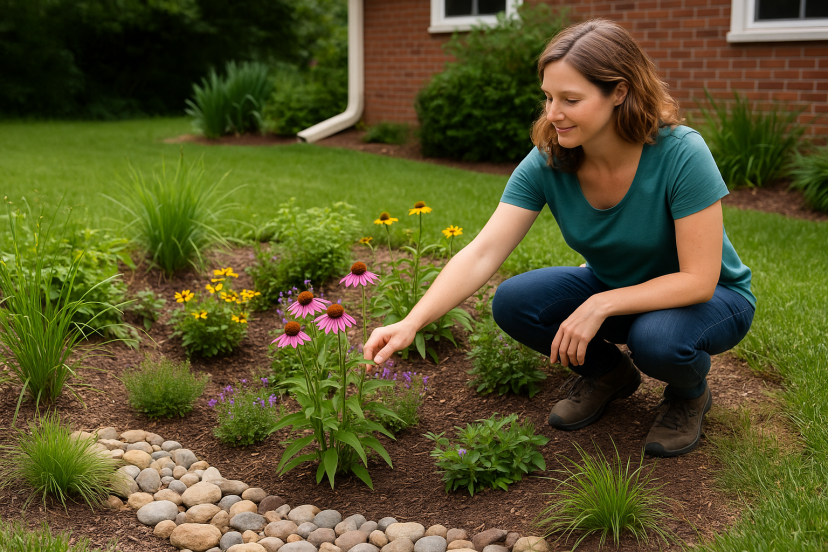
A rain garden is a shallow, landscaped area designed to collect rainwater runoff from roofs, driveways, and lawns. Instead of water rushing into storm drains, a rain garden absorbs and filters it naturally using soil, mulch, and deep-rooted native plants.
Rain gardens help:
-
Reduce yard flooding
-
Protect local waterways
-
Improve soil health
-
Support pollinators and wildlife
Why Rain Gardens Are Exploding In Popularity In The U.S. (2024–2026 Trend)
Across many U.S. regions, homeowners are seeing:
-
Heavier rainfall bursts
-
More flash flooding events
-
Higher stormwater fees in some cities
-
Stricter environmental runoff regulations
At the same time, rain gardens are becoming attractive because they:
-
Looks like professional landscaping features
-
Require relatively low maintenance once established
-
Can increase curb appeal and eco-credibility
In many counties, local water authorities even offer:
-
Rebates
-
Free design help
-
Native plant guides
🚨 The Hidden Flooding Problem Most Yards Have
Most suburban yards are designed to shed water quickly, not absorb it.
Common runoff sources:
-
Roof downspouts
-
Sloped driveways
-
Compacted lawn soil
-
Patio hardscapes
When water cannot soak in, it:

-
Pools near foundations
-
Kills the grass roots
-
Washes fertilizer and chemicals into waterways
Rain gardens solve this by slowing and filtering water naturally.
🧠 How Rain Gardens Actually Work (Simple Science)
Rain gardens use three natural filtration layers:
1️⃣ Plant Roots
Deep roots create channels in soil that:
-
Increase water infiltration
-
Prevent soil erosion
-
Pull pollutants from water
2️⃣ Engineered Soil Mix
Rain garden soil is designed to:
-
Drains faster than clay soil
-
Hold nutrients for plants
-
Filter contaminants
3️⃣ Mulch Layer
Mulch helps:
-
Slow incoming water
-
Trap sediment
-
Protect soil microbes
📍 Best Places To Install A Rain Garden
Ideal locations:
-
At least 10 feet from the home foundation
-
Downhill from the roof runoff
-
Natural low spots in the yard
-
Areas with poor lawn drainage
Avoid:
-
Directly over septic systems
-
Under large tree root zones
-
Steep slopes
🇺🇸 Real U.S. Homeowner Scenario
Example:
A Midwest homeowner with heavy spring storms installs a rain garden under their gutter discharge area.

Result after one season:
-
Basement moisture reduced
-
Lawn erosion stopped
-
Lower standing water mosquito issues
🌼 Best Plants For U.S. Rain Gardens
Choose native plants whenever possible.
Popular U.S. Rain Garden Plant Types
| Plant Type | Why It Works |
|---|---|
| Native grasses | Deep root systems |
| Coneflowers | Pollinator friendly |
| Black-eyed susans | Drought + flood tolerant |
| Switchgrass | Excellent soil stabilization |
| Joe pye weed | Handles heavy moisture |
🛠️ Step-By-Step: How To Build A Rain Garden
Step 1: Test Soil Drainage
Dig a hole → Fill with water → Check the drain time
Goal: Drains within 24–48 hours
Step 2: Size The Garden
General rule:
Rain garden size = 20–30% of drainage area
Step 3: Excavate Basin
Typical depth:
-
4–8 inches
Step 4: Add Soil Mix
Ideal mix:
-
50–60% sand
-
20–30% topsoil
-
20% compost
Step 5: Plant + Mulch
Use:
-
Native perennials
-
Shredded hardwood mulch
🗓️ Rain Garden Maintenance Calendar (What To Do Each Season)
One reason many U.S. homeowners hesitate to install a rain garden is the fear that it will require constant upkeep. In reality, once established, rain gardens are typically lower maintenance than traditional lawn areas. The key is knowing what to check during each season.
🌸 Spring (March – May)
Spring is the most important inspection period because winter runoff and freezing temperatures can shift soil and mulch.
Focus on:
-
Checking for soil erosion after heavy rains
-
Re-leveling mulch if it washed away
-
Removing early weeds before roots spread
-
Inspecting overflow areas for blockage
-
Making sure downspouts still direct water properly
If plants look thin, this is the best time to add new native plants while soil moisture is naturally higher.
☀️ Summer (June – August)
By summer, most rain gardens become mostly self-sustaining, especially when native plants are established.

Focus on:
-
Watering only during extreme drought (first year only in most cases)
-
Removing aggressive weeds that compete with native plants
-
Watch for compacted soil areas if kids or pets walk through the garden
-
Trimming dead flower heads to encourage new growth
Most mature rain gardens actually help the surrounding soil retain moisture during hot months.
🍂 Fall (September – November)
Fall is the preparation season for winter water flow and freezing temperatures.
Focus on:
-
Cutting back dead plant material if desired (some homeowners leave stems for pollinators)
-
Adding a fresh mulch layer (2–3 inches is typical)
-
Clearing leaves from overflow channels
-
Checking basin depth and reshaping if needed
Fall is also a great time to expand a rain garden because cooler temperatures reduce plant stress.
❄️ Winter (December – February)
Rain gardens typically require almost no winter maintenance in most U.S. climates.
Focus on:
-
Making sure snow piles do not block drainage flow
-
Watching for ice redirecting water toward foundation areas
-
Checking that downspout extensions stay connected
Most rain garden plants go dormant but continue supporting soil structure underground.

⭐ Pro Homeowner Tip: The “Year One Rule”
The first year is the only time a rain garden needs close attention.
During Year One:
-
Plants establish root systems
-
Soil settles naturally
-
Drainage patterns stabilize
After the first full growing season, most homeowners report maintenance dropping to just a few hours per year.
📈 Long-Term Performance Expectation
Well-built rain gardens typically:
-
Improve drainage performance after the first season
-
Reduce standing yard water within 3–6 months
-
Requires less work than mowing the same area long-term
For many homeowners, rain gardens shift from a “drainage solution” into a permanent landscape feature that blends into the yard naturally
💰 Cost Of Installing A Rain Garden (U.S. Average)
DIY Range:
-
$150 – $800
Professional Install:
-
$1,500 – $5,000+
Costs depend on:

-
Yard grading
-
Plant selection
-
Drainage redirection needs
🌎 Environmental Benefits Beyond Your Yard
Rain gardens help communities by:
-
Reducing storm drain overload
-
Lowering river pollution
-
Supporting pollinator populations
-
Recharging groundwater
Many U.S. cities now promote rain gardens as part of climate resilience planning.

⚠️ Common Rain Garden Mistakes To Avoid
-
Making the garden too shallow
-
Using non-native plants only
-
Planting too densely at the start
-
Installing too close to the foundation
-
Ignoring overflow path planning
🧾 Rain Garden Vs French Drain (Quick Comparison)
| Feature | Rain Garden | French Drain |
|---|---|---|
| Looks | Decorative landscaping | Hidden underground |
| Eco benefit | High | Low |
| Wildlife support | Yes | No |
| Maintenance | Low | Medium |
| Cost | Lower DIY | Higher install |
🔮 2026 Landscaping Trend: Functional Eco Landscaping
Homeowners are shifting toward:
-
Water-smart yards
-
Native plant landscaping
-
Stormwater-friendly design
-
HOA-approved eco features
Rain gardens sit right at the center of this trend.
🧩 Pro Tip: Combine Rain Garden + Smart Drainage
Best results often come from combining:
-
Rain garden basin
-
Downspout redirection
-
Permeable landscaping edges
FAQ About Rain Garden Ideas
Do rain gardens attract mosquitoes?
Not usually. Properly designed rain gardens drain within 24–48 hours, which is too fast for mosquito breeding.
Do rain gardens work in clay soil?
Yes, but you may need an amended soil mix and slightly deeper excavation.
Do rain gardens require a lot of maintenance?
Mostly seasonal:
-
Mulch refresh yearly
-
Remove weeds first season
-
Trim perennials annually
Do rain gardens increase home value?
In some U.S. markets, eco-friendly landscaping can improve curb appeal and buyer interest, especially in areas focused on sustainability or stormwater management.
How long does it take for a rain garden to start working?
Rain gardens usually start managing runoff immediately after installation, but plants typically take one full growing season to fully establish.
Can I build a rain garden myself without professional help?
Many homeowners successfully build DIY rain gardens, but complex drainage issues, steep slopes, or foundation concerns may require professional guidance.
🏡 Who Should Consider A Rain Garden?
Rain gardens are ideal if you:
-
Have standing water after storms
-
Live in high rainfall U.S. zones
-
Want to protect the foundation drainage
Conclusion: Rain Garden Ideas
Rain gardens are one of the rare landscaping upgrades that combine beauty, function, and environmental impact. For U.S. homeowners facing heavier storms, poor yard drainage, or increasing environmental regulations, installing a rain garden is becoming less of a trend — and more of a smart long-term property upgrade.
By slowing, absorbing, and filtering runoff naturally, rain gardens protect your yard, support local ecosystems, and help future-proof your landscape against changing weather patterns.

 Disclaimer
 Disclaimer
This content is for informational and educational purposes only and is not professional landscaping, environmental, or engineering advice. Always consult local regulations, drainage professionals, or landscaping experts before making major yard modifications. Results may vary based on soil type, climate, and property conditions.
 Explore more:
- Eco-Friendly Patio Ideas Using Recycled Materials
- Natural Lawn Alternatives for Eco-Friendly Homes
- Solar vs LED Lighting: Which Is Better for Your Backyard?