Aphids On Plants: 11 Reasons They Appear And How To Get Rid Of Them Naturally
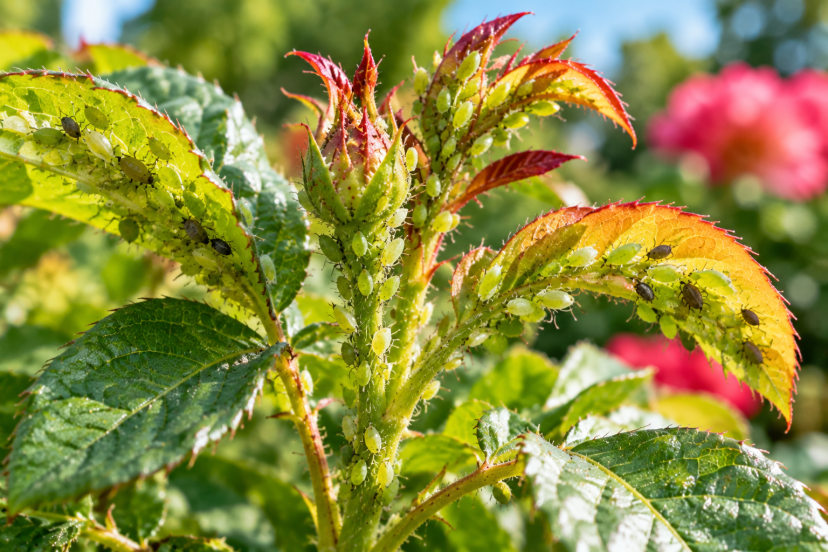
Common Causes And Natural Ways To Stop Them
Finding aphids on plants can be frustrating, especially when healthy leaves suddenly curl, turn yellow, or become covered with tiny green, black, or brown insects. These small garden pests may seem harmless at first, but large populations can weaken plants, damage tender growth, and leave behind sticky residue.
Aphids are among the most common pests affecting vegetables, flowers, shrubs, and ornamental plants in home gardens. They often gather on new shoots and underneath leaves, where they feed on plant sap.
The good news is that most aphid problems can be managed without relying on harsh chemical pesticides. Simple methods such as washing insects off leaves, encouraging beneficial predators, and removing heavily infested shoots can make a noticeable difference.
However, understanding why aphids appear is just as important as removing them.
In this guide, you’ll discover 11 common factors behind aphid infestations, learn how to identify damage, and find practical, eco-friendly ways to protect your garden while reducing unnecessary maintenance and costs.
Quick Answer: How Do You Get Rid Of Aphids Naturally?
The easiest natural way to control aphids is to spray affected plants with a firm but gentle stream of water, focusing on new growth and leaf undersides.
For small infestations, aphids can also be removed by hand or by pruning heavily infested shoots.
Encouraging natural predators such as lady beetles, lacewings, and hoverfly larvae can help provide longer-term control.
If infestations persist, a commercially formulated insecticidal soap labeled for the affected plant may be useful. Most healthy plants can tolerate small aphid populations without treatment.
🐛 Why Aphids Appear On Garden Plants
Aphids are small, soft-bodied insects that feed on plant sap.
They belong to the insect family group Aphidoidea and occur in many colors, including green, yellow, black, brown, and pink.
Most species are approximately 1/16 to 1/8 inch long.
Aphids reproduce rapidly under favorable conditions. During parts of the growing season, many species produce live young without mating, allowing populations to increase quickly.
They often concentrate on tender new growth, where feeding is easier.
Aphids also produce honeydew, a sugary liquid that can attract ants and encourage black sooty mold.
Although most aphid feeding causes cosmetic or temporary damage, some species transmit plant viruses.
Correct identification and early monitoring help prevent unnecessary pesticide applications.
🔎 11 Common Causes Of Aphids On Plants
1. Tender New Growth Attracts Aphids
Aphids commonly gather on soft stems, developing leaves, and flower buds.
These tissues are often easier for aphids to feed on than mature, tougher foliage.
You may notice large clusters near the growing tips of roses, peppers, or other susceptible plants.
What To Do: Inspect new shoots regularly and remove small aphid colonies before populations increase.
2. Excessive Nitrogen Fertilizer Encourages Soft Growth
Applying too much nitrogen can stimulate rapid, tender plant growth.
This may create favorable feeding conditions for certain aphid species.
Overfertilization can also produce weak growth and increase maintenance requirements.
What To Do: Use soil testing and plant-specific recommendations to avoid unnecessary fertilizer applications.
3. Mild Weather Supports Rapid Reproduction
Many aphid species reproduce quickly during mild spring and early summer conditions.
Some populations decline during extreme heat, while others remain active depending on the species and climate.
Because aphid numbers can change rapidly, gardeners may notice an infestation seemingly appearing overnight.
What To Do: Increase monitoring during periods of active plant growth and favorable weather.
4. Natural Predators Are Missing
Lady beetles, lacewing larvae, hoverfly larvae, and parasitic wasps naturally feed on or attack aphids.
When these beneficial organisms are scarce, aphid populations may increase more easily.
Broad-spectrum insecticides can unintentionally remove these natural enemies.
What To Do: Encourage beneficial insects by planting suitable flowering plants and avoiding unnecessary pesticide treatments.
5. Ants Protect Aphid Colonies
Some ants feed on the sugary honeydew produced by aphids.
In return, they may defend aphid colonies from predators.
This relationship can allow aphid populations to persist longer.
What To Do: Check for ants traveling along infested stems. Manage ant access when necessary without harming beneficial wildlife.
6. Aphids Arrive On New Plants
Newly purchased plants sometimes carry aphids or their eggs.
When introduced into a garden, these insects may spread to nearby susceptible plants.
Small colonies are easy to overlook during a quick inspection.
What To Do: Examine nursery plants carefully before purchasing and keep new container plants separate temporarily when practical.
7. Nearby Weeds Provide Alternative Hosts
Some aphid species feed on multiple plants, including certain weeds.
These plants may support aphid populations that later move into vegetable beds or ornamental gardens.
However, not every weed hosts aphids, and removing all wild vegetation can reduce habitat for beneficial insects.
What To Do: Remove problematic host weeds while preserving appropriate native plants that support natural predators.
8. Crowded Plants Make Infestations Harder To Notice
Closely spaced plants can make it difficult to inspect stems and leaf undersides.
Crowding may also create sheltered areas where aphid colonies remain unnoticed.
Plant spacing alone does not prevent infestations, but better access makes monitoring easier.
What To Do: Follow recommended spacing guidelines and prune selectively when appropriate.
9. Aphids Move Between Host Plants
Some aphid species develop wings when populations become crowded or environmental conditions change.
Winged adults can move to other suitable host plants.
This explains why aphids may appear on previously unaffected vegetables or flowers.
What To Do: Inspect nearby susceptible plants whenever you discover an infestation.
10. Indoor And Greenhouse Conditions Favor Aphids
Protected growing environments can allow aphids to reproduce for extended periods.
Warm temperatures, tender plant growth, and fewer natural predators may encourage population increases.
Greenhouse infestations can become particularly persistent without regular monitoring.
What To Do: Inspect plants weekly and consider appropriate biological control strategies for enclosed growing spaces.
11. Broad-Spectrum Pesticides Disrupt Natural Control
Some insecticides kill aphids but also harm beneficial insects that normally keep populations under control.
As a result, aphids may return after treatment.
Repeated unnecessary applications can make garden pest management more complicated.
What To Do: Use integrated pest management methods and reserve pesticides for situations where other controls are insufficient.
🧪 How To Confirm Aphids Are Damaging Your Plants
Before treating your garden, inspect the affected plants closely.
Look for these common signs:
-
Clusters Of Tiny Insects: Aphids often gather around young shoots and leaf undersides.
-
Curled Or Distorted Leaves: Feeding can interfere with normal leaf development.
-
Sticky Honeydew: Aphids produce sugary waste that coats leaves and stems.
-
Black Sooty Mold: Dark fungal growth may develop on honeydew-covered surfaces.
-
Ant Activity: Ants may gather around aphid colonies.
-
White Shed Skins: Aphids leave pale, empty skins as they grow.
Aphids are sometimes confused with whiteflies, scale insects, and mealybugs.
Most aphids have two small tube-like structures called cornicles near the rear of their bodies, although these can be difficult to see without magnification.
Correct identification helps you choose the most effective treatment.
🛠️ How To Get Rid Of Aphids On Plants Naturally
Step 1: Wash Aphids Off With Water
A firm stream of water is one of the simplest ways to reduce aphid populations.
Direct the spray toward infested stems and leaf undersides.
Use enough pressure to dislodge insects without damaging delicate foliage.
Many dislodged aphids have difficulty returning to the plant.
Repeat as necessary while monitoring the results.
Step 2: Remove Heavily Infested Shoots
For localized infestations, pruning can provide immediate relief.
Remove heavily infested stems when doing so will not significantly weaken the plant.
Dispose of the material away from healthy plants.
Avoid excessive pruning, particularly on young or stressed plants.
Step 3: Encourage Beneficial Insects
Natural predators can provide ongoing aphid control.
Helpful organisms include:
-
Lady beetles and their larvae
-
Green lacewing larvae
-
Hoverfly larvae
-
Parasitic wasps
-
Predatory bugs
Planting locally appropriate native flowers can provide nectar, pollen, and habitat for beneficial insects.
Avoid unnecessary insecticide applications that could harm them.
Step 4: Control Ant Access When Necessary
If ants are actively protecting aphid colonies, reducing ant access may improve natural predator activity.
For suitable trees and shrubs, appropriately installed trunk barriers may help.
Avoid applying sticky substances directly to bark.
Use wildlife-safe methods and follow product instructions.
Step 5: Apply Insecticidal Soap If Needed
Commercial insecticidal soaps can control aphids through direct contact.
Choose a product labeled for the affected plant.
Spray according to label instructions, paying particular attention to infested surfaces.
Avoid treating drought-stressed plants or applying products during extreme heat when the label warns against it.
Do not substitute concentrated household dish detergent, which can damage foliage.
Step 6: Consider Horticultural Oil
Some horticultural oils can suppress aphids when applied correctly.
They work primarily through direct contact and thorough coverage.
Follow all label restrictions concerning plant sensitivity, temperature, and application intervals.
Even relatively low-impact products can affect beneficial insects if sprayed directly.
Step 7: Monitor For Returning Aphids
Continue inspecting plants after treatment.
Aphids reproduce rapidly, and surviving individuals may establish new colonies.
Focus on young shoots and leaf undersides.
If only a few aphids remain and natural predators are active, additional treatment may not be necessary.
⚠️ Common Aphid Control Mistakes To Avoid
Avoid these common mistakes when managing aphids naturally:
-
Using concentrated homemade soap sprays: Household detergents can damage plant leaves.
-
Applying pesticides unnecessarily: Small aphid populations often decline naturally.
-
Ignoring beneficial insects: Lady beetle and lacewing larvae may already be controlling the infestation.
-
Overfertilizing plants: Excess nitrogen can encourage tender growth.
-
Spraying only visible leaf surfaces: Aphids often hide underneath leaves.
-
Removing too much foliage: Excessive pruning can weaken plants.
-
Expecting immediate permanent control: Aphids may return from nearby plants or surviving colonies.
🌱 How To Prevent Aphids Naturally
Preventing large aphid infestations starts with maintaining healthy growing conditions.
Choose plants suited to your local climate, sunlight, and soil.
Water appropriately and avoid excessive nitrogen fertilizer.
Inspect tender growth regularly, particularly during spring and early summer.
Encourage beneficial insects through diverse planting and reduced pesticide use.
Remove problematic weeds when necessary, but preserve useful habitat for pollinators and natural predators.
For small infestations, respond early with water sprays or selective pruning.
A balanced garden ecosystem often provides better long-term control than repeated chemical treatments.
❓ Frequently Asked Questions
What Is The Fastest Way To Get Rid Of Aphids?
For small infestations, spraying aphids off with water or removing heavily infested shoots can reduce populations immediately.
Will Aphids Kill My Plants?
Most healthy, established plants tolerate small aphid populations. Severe infestations can weaken plants, and certain aphids transmit harmful plant viruses.
Does Neem Oil Kill Aphids?
Some neem-based products can suppress aphids when used according to label instructions. Effectiveness depends on formulation, coverage, and growing conditions.
Do Aphids Go Away On Their Own?
Sometimes. Natural predators, changing weather, and declining food quality can reduce aphid populations without intervention.
Are Aphids Harmful To Humans?
Aphids are primarily plant-feeding insects. They generally do not bite humans or pose a direct health risk.
🌼 Related Garden Problems
Whiteflies On Plants
Whiteflies are small sap-feeding insects that can cause yellowing leaves and sticky honeydew. They often gather underneath foliage.
Sticky Leaves On Garden Plants
Honeydew from aphids, whiteflies, scale insects, or mealybugs can leave plant surfaces sticky.
Yellow Leaves On Vegetable Plants
Yellowing may result from insect feeding, nutrient deficiencies, overwatering, or poor drainage.
Ants Crawling On Plant Stems
Ants may be attracted to honeydew-producing insects, including aphids.
Curled Leaves On Tomato And Pepper Plants
Leaf curling can result from aphid feeding, environmental stress, herbicide injury, or certain plant diseases.
📌 Final Thoughts On Aphids On Plants
Finding aphids on plants doesn’t automatically mean your garden needs chemical treatment.
In many cases, small infestations can be managed through water sprays, selective pruning, and natural predators.
The most effective approach is to identify aphids early, monitor their numbers, and avoid unnecessary interventions that disrupt beneficial insects.
Healthy soil, appropriate watering, balanced fertilization, and diverse planting can also help plants tolerate occasional pest pressure.
By combining these simple strategies, you can maintain a healthier, more sustainable garden while reducing pesticide use, unnecessary expenses, and ongoing maintenance.
Gardening Advice: Every garden is different. Soil type, climate, weather, plant variety, and growing conditions can all affect results. If your plants continue to decline despite following the recommendations in this article, or if you suspect a serious plant disease, invasive pest infestation, or a hazardous tree issue, contact your local cooperative extension office, certified arborist, or qualified gardening professional for personalized advice.
Disclaimer: This article is for informational purposes only and is not a substitute for professional horticultural, arboricultural, or agricultural advice. Gardening results vary depending on local growing conditions, soil, weather, and plant variety. Always read and follow the instructions on any fertilizers, pesticides, herbicides, or other garden products before use.
Explore more:
- Clay Soil Problems: Learn 10 Common Causes
- Why Are My Pepper Plant Leaves Curling?
- Caterpillars Eating Leaves? 11 Common Causes