5 Energy Efficient Yard Ideas That Boost Curb Appeal And Cut Costs (2026 U.S. Homeowner Guide)
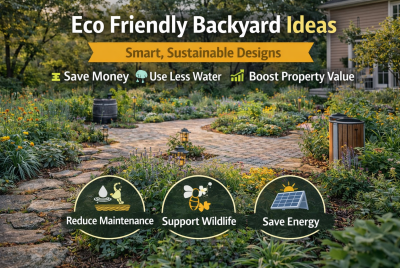
⚡ Quick Answer: What Makes A Yard Energy Efficient?
An energy efficient yard is designed to reduce heat buildup, lower water use, and support natural cooling around your home using landscaping, shade placement, and smart outdoor materials.
Energy efficient yards help:
-
Lower summer cooling costs
-
Reduce outdoor water usage
-
Improve home insulation naturally
-
Increase property curb appeal
-
Support eco-friendly living
🇺🇸 Why Energy Efficient Landscaping Is Booming In The U.S. (2024–2026)
Many U.S. homeowners are dealing with:
-
Rising electricity costs
-
Hotter summers in many states
-
Drought restrictions in some regions
-
Higher interest in eco-friendly home upgrades
Unlike solar panels or major renovations, yard upgrades are:
-
More affordable
-
Faster to install
-
Visually attractive
-
Often HOA-friendly
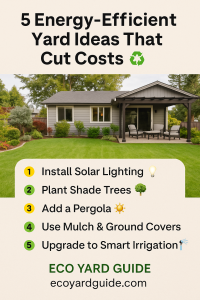
🌱 Idea #1: Strategic Shade Trees (Natural Air Conditioning)
Planting trees in the right locations can dramatically reduce home cooling costs.
Best placement:
-
West side of home → Blocks harsh afternoon sun
-
South side → Reduces summer roof heat load
-
Near patios → Makes outdoor spaces usable in summer
Energy impact:
Mature shade trees can reduce surrounding air temperature and reduce indoor cooling demand.
Best U.S. Shade Tree Types
-
Maple (Many regions)
-
Oak (Long lifespan, strong shade)
-
Elm (Fast canopy growth)
-
Native species (Best long-term survival)
💧 Idea #2: Smart Irrigation + Drought-Tolerant Landscaping
Traditional lawns waste huge amounts of water.
Energy efficient upgrade options:
-
Drip irrigation systems
-
Smart irrigation timers
-
Native grass alternatives
-
Xeriscaping zones
Benefits:
-
Lower water bills
-
Less lawn maintenance time
-
Better drought resilience
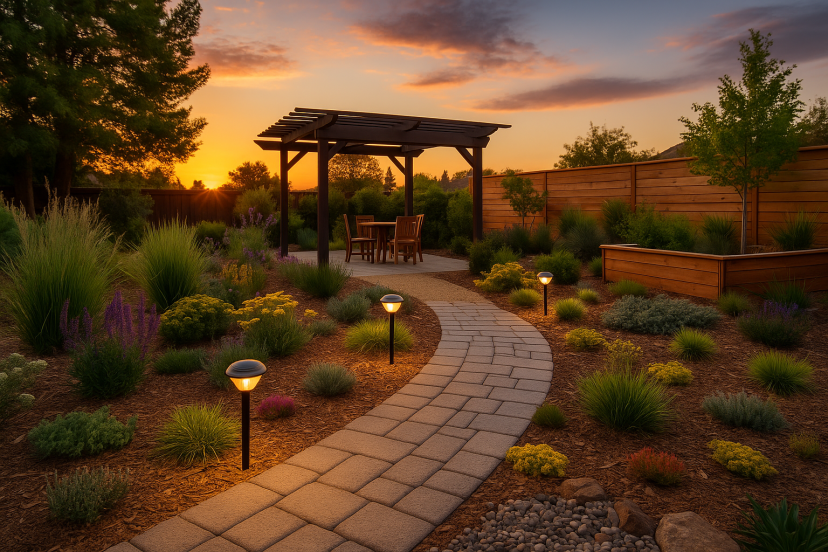
🪨 Idea #3: Permeable Hardscaping (Cooler + Drainage Friendly)
Standard concrete and asphalt trap heat.
Permeable alternatives:
-
Permeable pavers
-
Gravel pathways
-
Stone stepping paths
-
Permeable driveway grids
Benefits:
-
Reduces surface heat
-
Improves stormwater absorption
-
Reduces puddling and runoff
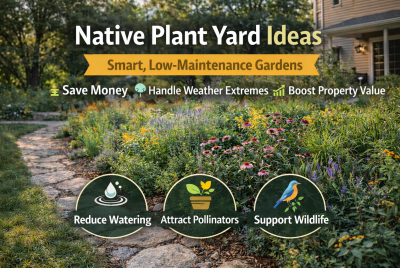
🌼 Idea #4: Native Plant Landscaping (Lower Maintenance + Higher Efficiency)
Native plants are adapted to local weather and soil.
Why they matter:
-
Needs less watering
-
Need less fertilizer
-
Support pollinators
-
Survive extreme weather better
Popular U.S. Native Plant Categories:
-
Prairie grasses
-
Wildflowers
-
Regional shrubs
-
Pollinator-friendly perennials
🌞 Idea #5: Outdoor Lighting That Uses Less Energy
Switching to yard lighting can reduce electricity use.
Best options:
-
Solar pathway lights
-
Motion sensor flood lights
-
LED landscape lighting
-
Low-voltage systems
Benefits:
-
Lower power consumption
-
Longer bulb lifespan
-
Less maintenance
💰 Real Cost Savings Potential (Typical U.S. Ranges)
Depending on upgrades, homeowners may see savings from:
-
Lower cooling costs in summer
-
Reduced irrigation water usage
-
Lower outdoor electricity usage
Many energy-efficient yard upgrades also increase resale appeal.
🧠 Pro Tip: Combine Multiple Ideas For Maximum Efficiency
Best results often come from combining:
-
Shade trees + native plants
-
Permeable surfaces + drainage planning
-
Smart irrigation + drought-tolerant landscaping
⚠️ Common Energy Efficient Yard Mistakes
-
Planting trees too close to the foundation
-
Choosing non-native plants that need constant watering
-
Ignoring soil drainage patterns
-
Installing lighting that is too bright or inefficient
-
Overwatering drought-tolerant plants
🏡 Who Benefits Most From Energy Efficient Yard Upgrades?
Ideal for homeowners who:
-
Live in hot or drought-prone areas
-
Want lower utility costs
-
Want eco-friendly curb appeal
-
Want lower yard maintenance
🗓️ Energy Efficient Yard Maintenance Calendar
One major advantage of energy efficient landscaping is long-term simplicity. Most upgrades are designed to reduce ongoing yard work once established.
🌸 Spring
Focus on:
-
Checking irrigation system leaks
-
Pruning shade trees before heavy growth
-
Refreshing mulch around native plants
-
Checking solar light battery performance
☀️ Summer
Focus on:
-
Monitoring water use during heat waves
-
Checking the tree shade coverage effectiveness
-
Adjusting irrigation timers
-
Inspecting outdoor lighting wiring or solar panels
🍂 Fall
Focus on:
-
Planting new native plants (ideal planting season)
-
Inspecting tree health before winter storms
-
Cleaning debris from permeable pavers
-
Testing outdoor lighting timers
❄️ Winter
Focus on:
-
Minimal maintenance needed
-
Checking tree branch stability
-
Planning next year’s upgrades
-
Reviewing utility savings results
📊 Energy Efficient Yard Cost And Savings By U.S. Climate Zone
One of the biggest questions U.S. homeowners have before upgrading their yard is simple: “Will this actually save me money where I live?” The answer often depends on climate, sun exposure, and local utility costs. Energy efficient landscaping works differently in Arizona than it does in Minnesota, which is why climate-specific planning can dramatically improve results.
Below is a general guide based on common U.S. climate patterns and homeowner energy usage trends.
🌵 Hot And Dry Climates (Southwest, Parts Of California, Nevada, Arizona, New Mexico)
Primary energy challenges:
-
Extreme summer heat
-
High air conditioning usage
-
Water restrictions in many areas
Most effective upgrades:
-
Strategic shade tree placement on west-facing walls
-
Xeriscaping and native desert plant landscaping
-
Drip irrigation systems
-
Light-colored or reflective hardscaping materials
Typical homeowner benefits:
-
Reduced outdoor watering costs
-
Lower indoor cooling demand from reduced heat exposure
-
Less lawn maintenance time
In very hot regions, shade tree placement alone can make a noticeable difference in outdoor and indoor comfort over time.
🌧️ Humid And Rain-Heavy Regions (Southeast, Gulf States, Parts Of Midwest)
Primary energy challenges:
-
High humidity levels
-
Stormwater runoff issues
-
Mold and moisture risks around the foundation
Most effective upgrades:
-
Permeable hardscaping to improve drainage
-
Native moisture-tolerant plants
-
Rain garden integration
-
Strategic tree canopy for cooling and humidity moderation
Typical homeowner benefits:
-
Better yard drainage performance
-
Reduced standing water issues
-
Improved outdoor comfort during humid summers
In humid regions, managing moisture and airflow around the home can be just as important as reducing heat.
❄️ Cold And Mixed Climate Regions (Northeast, Upper Midwest, Mountain States)
Primary energy challenges:
-
Winter heating costs
-
Snow melt drainage
-
Seasonal yard damage from freeze cycles
Most effective upgrades:
-
Wind-blocking shrub lines or tree placement
-
Permeable pavers that reduce ice pooling
-
Native grasses that survive freeze-thaw cycles
-
Strategic evergreen landscaping for winter wind protection
Typical homeowner benefits:
-
Reduced wind exposure on the home exterior
-
Less ice buildup on walkways and driveways
-
Lower long-term landscape repair costs
In colder regions, energy-efficient landscaping often focuses on wind protection and winter durability rather than cooling.
⭐ Pro Homeowner Tip: Start With The Highest ROI Upgrade
If you’re unsure where to start, most landscaping and energy professionals recommend focusing on the upgrade that solves your biggest current yard problem first, such as:
-
Too much summer heat → Start with shade trees
-
High water bills → Start with irrigation upgrades
-
Poor drainage → Start with permeable surfaces or rain garden features
-
High outdoor electricity usage → Start with LED or solar lighting
Starting with one high-impact upgrade often makes it easier to expand into a full energy efficient yard plan over time.
📈 Long-Term Value Beyond Monthly Savings
Many homeowners don’t realize energy-efficient landscaping can also support long-term property value by:
-
Improving year-round curb appeal
-
Reducing visible yard damage from weather extremes
-
Lowering long-term maintenance costs
-
Supporting eco-conscious home buyer demand in many U.S. markets
Over time, energy efficient yards tend to shift from a “cost savings project” into a permanent property upgrade that benefits both daily living and resale potential.
📈 Long-Term Performance Expectations
Energy efficient yard upgrades typically:
-
Improve home comfort within the first season
-
Reduce yard maintenance long term
-
Improve resale curb appeal value
-
Support local ecosystems
FAQ About Energy Efficient Yard Ideas
Do energy efficient yards really lower energy bills?
Yes — especially when shade, irrigation efficiency, and lighting upgrades are combined.
Are energy efficient yard upgrades expensive?
Many upgrades are affordable DIY projects, while others can be phased in over time.
Do native plants make a yard look less attractive?
Modern native landscaping designs are often used in high-end residential communities.
Conclusion: Energy Efficient Yard Ideas
Energy efficient yard design is one of the most practical ways U.S. homeowners can reduce utility costs while improving outdoor living spaces. By combining shade trees, native plants, efficient irrigation, and smart materials, homeowners can create yards that look better, cost less to maintain, and support long-term sustainability.
⚠️ Disclaimer
This content is for informational purposes only and is not professional landscaping or energy advice. Always consult local professionals and regulations before major yard modifications. Results vary by climate, soil, and property conditions.
 Explore more: