🌧️ Natural Ways To Improve Yard Drainage (Eco-Friendly Fixes That Actually Work)
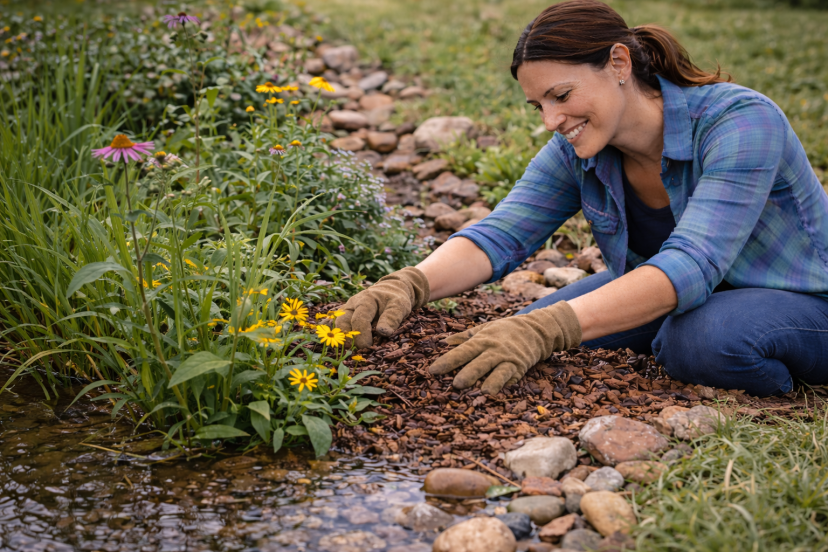
🌀 Fix Drainage Problems Without Harming Nature
Few things are more frustrating than a soggy yard. Standing water, muddy patches, dying grass, and unusable outdoor space are common signs of drainage problems—and many homeowners assume the only solution involves expensive trenching, pipes, or concrete.
Fortunately, that’s not true.
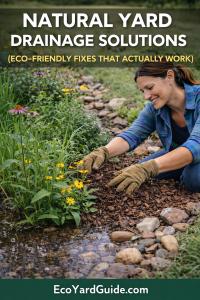
With the right natural yard drainage solutions, you can manage excess water effectively while protecting soil health, saving money, and supporting local ecosystems. Eco-friendly drainage methods work with water instead of fighting it, turning a soggy yard fix into an opportunity for sustainability.
This guide explains why drainage problems happen, how eco drainage works, and the most effective natural methods you can start using today—no heavy machinery required.
💧 Why Yard Drainage Problems Happen
Before fixing drainage issues, it helps to understand the cause.
🌿 Common Causes Of Poor Yard Drainage
- Compacted soil
- Clay-heavy ground
- Poor grading
- Excess runoff from roofs or driveways
- Lack of deep-rooted plants
In many parts of the U.S., especially the Midwest, Southeast, and Pacific Northwest, heavy rainfall combined with compacted soil creates recurring soggy yard problems.
🌱 Why Choose Natural Yard Drainage Solutions?
Traditional drainage systems move water away quickly—but often create new problems.
🚫 Downsides Of Conventional Drainage
- Increased runoff and erosion
- Water pollution
- High installation costs
- Reduced groundwater recharge
✅ Benefits Of Eco Drainage
- Improves soil structure
- Reduces flooding naturally
- Supports native plants and pollinators
- Enhances property value sustainably
Natural yard drainage solutions slow, spread, and absorb water—the way healthy landscapes are designed to do.
🌿 Step One: Improve Soil Health For Better Drainage
Healthy soil drains better than compacted soil.
🌱 How Soil Affects Drainage
- Compacted soil blocks water movement
- Poor organic matter limits absorption
- Lack of microbes reduces the structure
🔧 Natural Soil Improvements
- Add compost annually
- Mulch with organic materials
- Avoid walking on wet soil
- Aerate compacted areas
Improving soil health is often the fastest soggy yard fix available.
🌱 Use Native Plants As Natural Drainage Tools
Plants play a major role in eco drainage.
🌿 Why Native Plants Improve Drainage
- Deep roots create water channels
- Roots absorb excess moisture
- Plants stabilize soil
- Reduced runoff and erosion
🌱 Native Plant Examples (U.S.)
- Switchgrass
- Blue flag iris
- Black-eyed Susan
- Red osier dogwood
Native plants are adapted to local rainfall patterns, making them ideal natural yard drainage solutions.
🌧️ Build Swales To Redirect Water Naturally
Swales are shallow, gently sloped channels that guide water where you want it to go.
🌱 How Swales Work
- Slow down runoff
- Spread water across the soil
- Encourage infiltration
🔧 DIY Swale Basics
- Dig shallow, level-bottomed trenches
- Place on contour (not downhill)
- Plant with grasses or native plants
Swales are widely used in eco-friendly landscapes and permaculture designs.
🌼 Create A Rain Garden For Drainage Problems
Rain gardens are one of the most effective eco drainage solutions.
🌿 What Is A Rain Garden?
A shallow planted basin designed to collect and absorb runoff from roofs, driveways, or lawns.
🌱 Rain Garden Benefits
- Filters pollutants
- Reduces standing water
- Supports wildlife
- Prevents erosion
Many U.S. cities even offer incentives or rebates for installing rain gardens.
🌱 Rain Garden Plant Ideas
Choose moisture-tolerant species.
🌿 Popular Rain Garden Plants
- Joe-Pye weed
- Cardinal flower
- Milkweed
- Sedges
These plants thrive in wet conditions while improving yard drainage.
🌧️ Replace Hard Surfaces With Permeable Options
Hard surfaces are major contributors to drainage problems.
🚫 Problem Surfaces
- Concrete patios
- Asphalt driveways
- Solid walkways
🌱 Eco-Friendly Alternatives
- Permeable pavers
- Gravel paths
- Mulch walkways
- Grass pavers
Permeable surfaces allow water to soak into the ground instead of pooling.
🌿 Redirect Roof Runoff Naturally
Your roof sheds thousands of gallons of water annually.
💧 Natural Runoff Solutions
- Extend downspouts
- Direct water into rain gardens
- Use rain barrels
- Create splash blocks with gravel
These small changes prevent soggy yards near foundations.
🌱 Use Mulch To Improve Drainage
Mulch doesn’t just conserve moisture—it also improves infiltration.
🌿 Mulching Benefits For Drainage
- Prevents soil compaction
- Improves water absorption
- Protects soil structure
Use organic mulch like shredded leaves or wood chips, applied 2–3 inches deep.
🌿 Address Yard Grading Gently
Sometimes drainage problems stem from subtle grading issues.
🌱 Gentle Grading Tips
- Slope soil away from structures
- Avoid drastic reshaping
- Combine grading with planting
Even minor adjustments can dramatically improve water flow.
🌍 Environmental Benefits Of Eco Drainage
Natural yard drainage solutions protect more than your lawn.
🌱 Sustainability Advantages
- Reduces water pollution
- Recharges groundwater
- Prevents erosion
- Supports biodiversity
Eco drainage aligns with water conservation goals across many U.S. states.
🔍 When To Consult A Professional
While many drainage issues are DIY-friendly, some situations require expert help.
🔧 Seek Professional Advice If:
- Water threatens foundations
- Large-scale grading is needed
- Soil contamination is suspected
- Local regulations apply
Landscape architects and eco-contractors can design long-term solutions.
❓ FAQs About Natural Yard Drainage
🌱 What is the best natural yard drainage solution?
A combination of healthy soil, native plants, and rain gardens works best.
💧 How do I fix a soggy yard naturally?
Improve soil, redirect runoff, and add water-absorbing plants.
🌿 Do native plants really help drainage?
Yes. Deep roots improve infiltration and reduce standing water.
🌧️ Are rain gardens expensive?
No. Most rain gardens are affordable DIY projects.
🌱 Can mulch help drainage problems?
Yes. Mulch improves soil structure and prevents compaction.
☀️ How long does it take to see results?
Some improvements appear after one season; others improve over time.
🌿 Is eco drainage better than French drains?
Eco drainage is often cheaper, lower maintenance, and more sustainable.
💥 Work With Water, Not Against It
Water doesn’t have to be your yard’s enemy.
By using natural yard drainage solutions, you can fix drainage problems while building healthier soil, supporting native plants, and creating a more resilient landscape. Eco drainage methods are affordable, effective, and better for the planet—making them the smart choice for modern homeowners.
Start small, observe how water moves through your yard, and let nature guide the solution.
⚠️ Disclaimer
Drainage conditions vary by location. Always follow local building codes, HOA rules, and environmental regulations. Consult professionals for structural drainage issues or regulated projects.
 Explore more:
- Raised Beds Vs In-Ground Gardens: Which Is Better
- Sustainable Yard Design for Beginners
- The Ultimate Guide to Eco Landscaping for Beginners