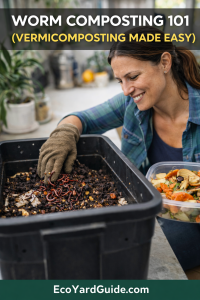
Worm Composting 101: Vermicomposting Made Easy For Beginners
🧩 Compost Indoors Without The Mess Or Smell
If you want to reduce household waste, save money on fertilizer, and live more sustainably—but don’t have a big yard—worm composting for beginners is one of the best solutions available.
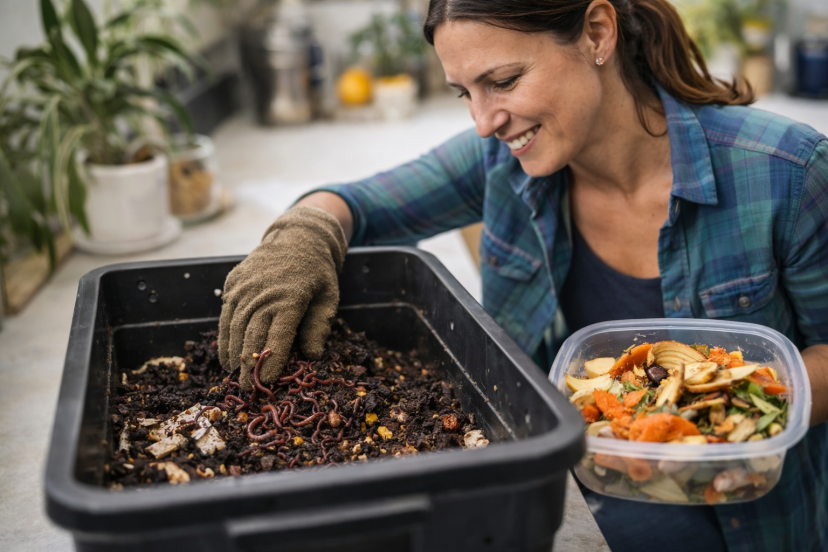
Also known as vermicomposting, worm composting lets you recycle kitchen scraps indoors or outdoors using a small bin and a community of hardworking worms. It’s quiet, compact, odor-free when done correctly, and surprisingly easy to maintain.
Across the U.S., more homeowners and apartment dwellers are turning to worm composting to divert food waste from landfills while producing rich, organic fertilizer at home. With the right setup, even a small household can compost year-round—no backyard required.
This guide walks you through everything you need to know to start confidently, avoid common mistakes, and build a simple worm compost system that fits your lifestyle.
🌿 What Is Worm Composting (Vermicomposting)?
Worm composting, also called vermicomposting, uses specific types of worms to break down food scraps into a nutrient-rich soil amendment known as worm castings.
🌱 How Vermicomposting Works
- Worms consume organic food waste
- Microbes help break material down
- Worms excrete castings (worm poop)
- Castings become a powerful natural fertilizer
Worm castings are richer in nutrients than traditional compost and are gentle enough for houseplants, gardens, and seedlings.
💧 Why Worm Composting For Beginners Is So Popular
Many people avoid composting because they think it’s messy, smelly, or complicated. Vermicomposting solves those problems.
✅ Benefits Of Worm Composting
- Works indoors or outdoors
- Takes up very little space
- Produces high-quality fertilizer
- Reduces food waste sent to landfills
- Requires minimal maintenance
In the U.S., food waste makes up over 20% of landfill material. Worm composting helps reduce methane emissions while creating value from waste.
🌱 What Types Of Worms Are Used For Vermicomposting?
Not all worms are suitable for composting.
🪱 Best Worms For Worm Composting
- Red wigglers (Eisenia fetida)
- European nightcrawlers (Eisenia hortensis)
Red wigglers are the most common choice for worm composting for beginners because they thrive in bins and eat food scraps efficiently.
Avoid using garden earthworms—they don’t perform well in confined systems.
🔧 Worm Bin Setup: Choosing The Right Container
A proper worm bin setup is essential for success.
🌿 Worm Bin Options
- Plastic storage bins
- Purpose-built worm composting bins
- DIY wooden worm boxes
- Stackable tray systems
For beginners, a plastic storage bin is affordable and easy to manage.
🔧 DIY Worm Bin Setup (Step-By-Step)
🛠️ Materials Needed
- Plastic bin with lid (10–20 gallons)
- Drill or screwdriver
- Shredded newspaper or cardboard
- Spray bottle with water
- Red wiggler worms
🪛 Step-By-Step Instructions
- Drill air holes
- Small holes on the sides and the lid
- Drill drainage holes
- Bottom holes with a tray underneath
- Prepare bedding
- Shredded paper dampened (not soaked)
- Add worms
- Gently place on bedding
- Add food scraps
- Small amounts, buried in bedding
- Cover and place the bin
- Dark, cool location indoors
This worm bin setup supports airflow, moisture balance, and worm health.
🌿 What To Feed Worms (And What To Avoid)
Feeding correctly is key to worm composting for beginners.
🍎 What Worms Love
- Fruit and vegetable scraps
- Coffee grounds and filters
- Crushed eggshells
- Tea bags (paper only)
🚫 What To Avoid
- Meat or fish
- Dairy products
- Oily or greasy foods
- Citrus peels (in excess)
- Salty or spicy foods
Always bury food to prevent odors and fruit flies.
💧 Moisture And Temperature Basics
Worms need a comfortable environment to thrive.
🌡️ Ideal Conditions
- Temperature: 55–77°F
- Moisture: Like a wrung-out sponge
- Darkness: Worms avoid light
Most U.S. homes naturally stay within this range, making indoor worm composting easy year-round.
🌱 How Often To Feed Your Worm Bin
Overfeeding is one of the most common beginner mistakes.
🔧 Feeding Tips
- Feed once or twice per week
- Start small and increase gradually
- Rotate feeding spots in the bin
- Stop feeding if food remains uneaten
Healthy worms process food steadily, not instantly.
🌿 Harvesting Worm Castings (The Best Part)
Worm castings are one of the most valuable organic soil amendments available.
🌱 How To Harvest Castings
- Move finished compost to one side
- Add fresh bedding and food to the other
- Wait 1–2 weeks for worms to migrate
- Remove finished castings
Castings can be used for houseplants, vegetable gardens, lawns, and seedlings.
☀️ How To Use Worm Castings In Your Yard
🌿 Easy Applications
- Mix into potting soil
- Top-dress garden beds
- Brew compost tea
- Sprinkle around plant roots
Worm castings improve soil structure, water retention, and nutrient availability.
🌎 Sustainability Benefits Of Vermicomposting
Vermicomposting supports eco-friendly living in powerful ways.
🌱 Environmental Benefits
- Reduces landfill waste
- Lowers methane emissions
- Eliminates chemical fertilizers
- Supports healthy soil ecosystems
Many U.S. cities now promote composting as part of zero-waste initiatives.
🔍 When To Consult A Professional
Most worm composting systems are DIY-friendly, but some situations may require help.
🔧 Seek Guidance If:
- Managing compost for large households
- Setting up community composting systems
- Experiencing persistent odor or pest issues
- Composting regulations apply locally
Local extension offices often provide free vermicomposting support.
❓ FAQs About Worm Composting For Beginners
🌱 Is worm composting good for beginners?
Yes. Worm composting for beginners is one of the easiest and cleanest composting methods available.
💧 Does vermicomposting smell?
No. A properly maintained worm bin smells earthy, not rotten.
🪱 How many worms do I need to start?
About 1 pound of red wigglers is ideal for most beginner bins.
🌿 Can worm composting be done indoors?
Yes. Worm composting works very well indoors in kitchens, basements, or laundry rooms.
☀️ How long does it take to get worm castings?
Most bins produce usable castings in 2–4 months.
🍎 Can I compost citrus or onions?
Small amounts are fine, but too much can upset worms.
♻️ Is worm composting allowed everywhere in the U.S.?
Most areas allow it, but check HOA rules or local ordinances.
💥 Conclusion: Small Worms, Big Impact
Worm composting for beginners proves that sustainable living doesn’t require a large yard or expensive tools. With a simple bin, a handful of worms, and basic care, you can turn everyday food scraps into nutrient-rich fertilizer right at home.
Vermicomposting saves money, reduces waste, and helps your plants thrive naturally. It’s one of the most rewarding eco-friendly habits you can build—one that grows with you over time.
Start small, stay consistent, and let nature do the work.
⚠️ Disclaimer
DIY worm composting methods may vary by region. Always follow local regulations, HOA guidelines, and safe handling practices. Avoid composting prohibited materials and consult professionals for large-scale systems.
 Explore more:
- Low-Maintenance Eco Yard Ideas For Busy Homeowners
- Eco Friendly Backyard Ideas
- How To Create A Pollinator Garden For Beginners