The Ultimate Guide to Eco Landscaping for Beginners
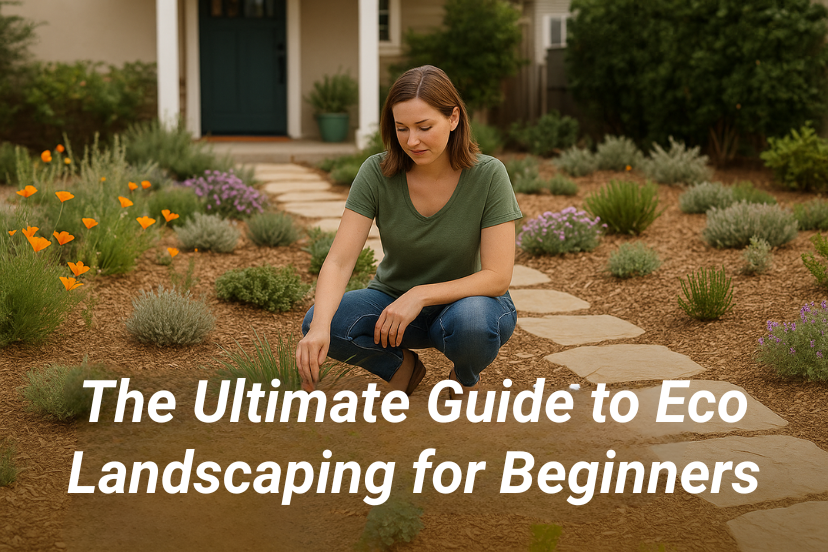
🌱 Start Your Eco-Friendly Yard Transformation
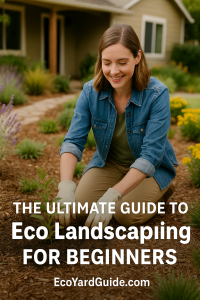
More U.S. homeowners than ever want a yard that’s beautiful, sustainable, low-maintenance, and cost-effective. Whether you’re trying to reduce water waste, attract pollinators, shrink your lawn, or save money on fertilizers, eco landscaping offers a simple path toward a greener lifestyle — no advanced gardening skills required.
Eco landscaping is all about designing an outdoor space that works with nature instead of against it. By using native plants, organic mulch, smart water strategies, and natural soil health, you can build a yard that’s healthier, easier to maintain, and better for the planet.
This beginner-friendly guide walks you through exactly how to start eco landscaping, with hands-on tips, plant recommendations, design ideas, and sustainability strategies tailored to U.S. homeowners.
Let’s build your eco yard — one simple step at a time. 🌿💧☀️
🌎 What Is Eco Landscaping?
Eco landscaping (also called sustainable landscaping) focuses on creating outdoor spaces that are environmentally responsible. It uses natural materials, water-efficient strategies, native plants, and low-maintenance designs to support local ecosystems — while still looking stylish and modern.
🌱 Core Principles of Eco Landscaping
-
Reduce water waste
-
Improve soil health naturally
-
Use native plants that thrive without chemicals
-
Minimize lawn space
-
Encourage local wildlife and pollinators
-
Use recycled or organic materials
Eco landscaping isn’t just a trend — it’s a long-term solution for healthier, more resilient yards.
🌿 Benefits of Eco Landscaping for Beginners
💧 Save Water
Native and drought-tolerant plants use far less irrigation.
🌱 Reduce Maintenance
No more constant mowing, fertilizing, or reseeding.
🐝 Support Local Wildlife
Native plants bring butterflies, birds, and beneficial insects.
💵 Save Money
Less water + fewer chemicals = hundreds saved each year.
🌎 Cleaner Environment
Avoids chemical fertilizers and pesticides that harm waterways.
Eco landscaping provides beauty and biodiversity — and your yard becomes part of a healthier ecosystem.
🌿 Step-by-Step Eco Landscaping for Beginners (Complete Guide)
Below is everything you need to transform your traditional yard into an eco-friendly haven.
🌱 Step 1: Assess Your Yard’s Natural Conditions
Before planting anything, understand your yard’s basic environment.
☀️ Identify Sunlight Zones
-
Full sun: 6+ hours
-
Partial shade: 3–6 hours
-
Full shade: Under 3 hours
🧱 Check Soil Type
-
Sandy
-
Clay
-
Loam (ideal)
💧 Observe Drainage
-
Where does water pool?
-
Which areas stay dry?
This helps you choose the right plants for each area.
🌾 Step 2: Shrink Your Lawn Area (A Major Eco Upgrade!)
Traditional turf grass is one of the biggest water users in U.S. yards.
🟩 Eco-Friendly Lawn Alternatives
-
Dwarf fescue (low-water)
-
Buffalo grass
-
Micro-clover
-
Creeping thyme
-
Native meadow mixes
🌱 Benefits
-
Less mowing
-
Less watering
-
More pollinators
-
More biodiversity
Reducing even 20–30% of your lawn saves thousands of gallons of water every season.
🌷 Step 3: Choose Native Plants for Effortless Growth
Native gardening is the foundation of eco landscaping.
🌱 Why Native Plants Are Essential
-
Require minimal watering
-
Resist local pests and diseases
-
Thrive in regional soil
-
Provide food for local wildlife
🌿 Great U.S. Native Plant Options
West Coast: California poppy, manzanita, yarrow
Southwest: Desert milkweed, sage, agave
Midwest: Coneflower, black-eyed Susan, prairie dropseed
Southeast: Coreopsis, muhly grass, yaupon holly
Northeast: Bee balm, asters, New England blazing star
Plant in groups of 3–5 for natural design flow.
🍂 Step 4: Use Organic Mulch (A Must for Eco Landscaping)
Organic mulch conserves water, suppresses weeds, and enriches soil.
🌱 Best Types of Mulch
-
Shredded bark
-
Wood chips
-
Pine needles
-
Leaf mulch
-
Compost
💧 Benefits of Mulching
-
Keeps soil cool
-
Retains moisture
-
Reduces irrigation needs
-
Improves soil fertility
Avoid dyed mulches — they can contain chemicals.
💧 Step 5: Choose Smart Watering Methods
Eco landscaping = efficient irrigation.
🌿 Best Low-Water Practices
-
Drip irrigation for garden beds
-
Soaker hoses for shrubs
-
Hand-watering new plants
-
Water early in the morning to reduce evaporation
🌧️ Add Rain Barrels for Extra Savings
Rain barrels capture stormwater that would otherwise run off.
Many U.S. counties offer rebates for installing rain barrels — check local programs in CA, TX, and CO.
🌼 Step 6: Create Wildlife-Friendly Zones
Support birds, butterflies, bees, and beneficial insects.
🐦 Simple Additions
-
Bird feeders
-
Bee baths
-
Butterfly host plants
-
Native shrubs
-
Pollinator gardens
🌷 Best Plants for Wildlife
-
Milkweed (monarch butterflies)
-
Sunflowers
-
Coneflowers
-
Black-eyed Susan
-
Goldenrod
Wildlife gardens give your yard movement, color, and ecological balance.
🍃 Step 7: Improve Soil Health Naturally
Healthy soil = drought-resistant, low-maintenance gardening.
🌱 Natural Soil Boosters
-
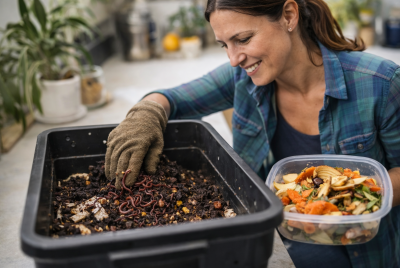
Worm castings
-
Leaf mulch
-
Biochar
-
Organic slow-release fertilizers
Avoid
-
Synthetic fertilizers
-
Pesticides
-
Herbicides
These destroy soil microbes and harm pollinators.
🌵 Step 8: Add Hardscaping with Sustainable Materials
Eco landscaping isn’t just about plants — materials matter too.
♻️ Great Green Materials
-
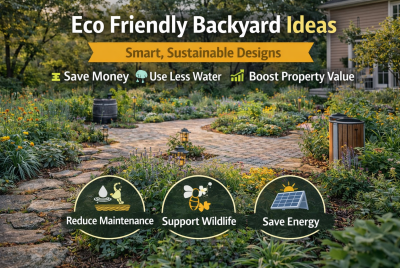
Recycled concrete pavers
-
Gravel paths
-
Reclaimed wood
-
Permeable pavers
-
Natural stone
-
Bamboo fencing
These reduce runoff and create stylish, low-maintenance designs.
🌞 Step 9: Design Low-Maintenance Zones (Beginner-Friendly)
Eco landscaping should reduce yard work — not add more.
Easy Low-Maintenance Areas
-
Rock gardens
-
Mulched beds
-
Succulent gardens
-
Native grass patches
-
Perennial wildflower meadows
Plants return every year with minimal irrigation.
🌿 Step 10: Follow Seasonal Care for an Eco Yard
🌸 Spring
-
Add compost
-
Prune perennials
-
Refresh mulch
☀️ Summer
-
Water deeply once or twice weekly
-
Use drip irrigation
-
Watch for pests (use natural treatments)
🍂 Fall
-
Plant new perennials
-
Rake leaves into garden beds (free mulch!)
❄️ Winter
-
Protect young plants with mulch
-
Store rain barrels in cold states
Eco yards improve year after year with very little effort.
🌿 Eco Landscaping Design Ideas for Beginners
✔️ 1. Native Wildflower Pathway
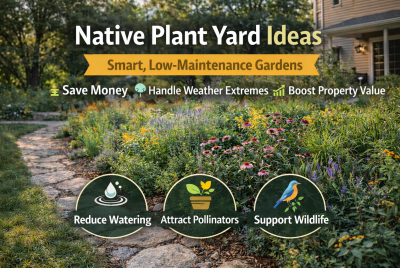
A stone walkway lined with drought-tolerant blooms.
✔️ 2. Pollinator Bed Corner
Milkweed, coneflower, and goldenrod for butterflies.
✔️ 3. Gravel Seating Area
A budget-friendly low-water relaxation zone.
✔️ 4. Rain Garden
Best for drainage problems.
✔️ 5. Micro-Clover Lawn
Green, soft, lush — with almost zero watering.
🧰 When to Consult a Professional
You may want expert help if:
-
Your yard has drainage issues
-
You’re replacing large lawn areas
-
You want a custom hardscape design
-
You’re installing irrigation
-
Your soil is compacted or polluted
Landscapers and eco-contractors can plan sustainable layouts that last for decades.
❓ FAQs About Eco Landscaping for Beginners
1. Is eco landscaping more expensive?
Not necessarily. Many eco projects save money long-term by reducing water and maintenance.
2. Do native plants really need no watering?
They need watering only during establishment — then very minimal care.
3. Can I keep part of my lawn?
Yes! Just shrink and replace high-water areas.
4. Is mulch essential for eco landscaping?
Yes — mulch is one of the easiest water-saving tools.
5. Can eco landscaping work in small yards?
Absolutely. Native plants and low-water beds thrive in compact spaces.
6. Do I need special soil?
Usually no — compost and mulch improve most U.S. soils naturally.
7. Are eco landscapes good for resale value?
Yes. Low-maintenance, drought-friendly yards are increasingly desirable.
🌿 Conclusion: Build a Yard That Works With Nature
Eco landscaping is simple, rewarding, and accessible for every homeowner — even beginners. With a few smart plant choices, natural materials, soil-friendly practices, and water-saving strategies, you can transform your yard into a resilient, beautiful, eco-friendly landscape that supports wildlife and reduces waste.
Your greener, healthier yard starts today. 🌱🌞🌿
⚠️ Disclaimer
Always follow local landscaping regulations, watering guidelines, and HOA rules. Use safe practices when digging, planting, or installing hardscaping.
 Explore more: