Soil Testing For Eco Gardeners: How To Test Your Garden Soil And Fix Problems Naturally
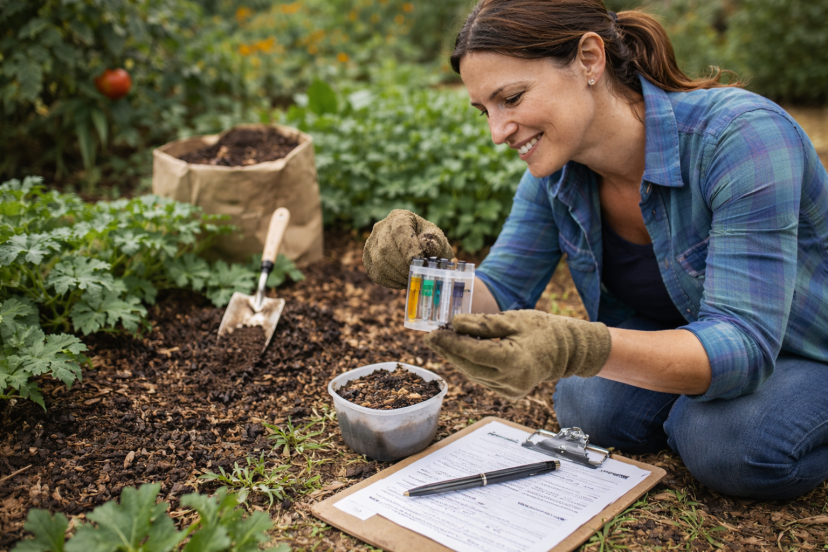
🌱 Healthy Gardens Start Below The Surface
If your plants struggle to grow, leaves turn yellow, or harvests disappoint, the problem often isn’t watering or sunlight—it’s your soil.
For eco-conscious homeowners, guessing what your soil needs can waste money, resources, and time. Over-fertilizing harms the environment, while under-feeding weakens plants. That’s why soil testing for garden health is one of the smartest and most sustainable steps you can take.
With simple testing methods, you can understand what’s happening underground, identify nutrient imbalances, and fix problems naturally—without harsh chemicals. This guide shows you exactly how to test your soil, interpret results, and improve soil health using eco-friendly solutions that work in real U.S. gardens.
🌿 Why Soil Testing For Garden Success Matters
Soil isn’t just dirt—it’s a living ecosystem. When soil nutrients are out of balance, plants can’t access what they need, no matter how often you water or fertilize.
🌱 Benefits Of Soil Testing
- Prevents overuse of fertilizers
- Saves money on unnecessary products
- Improves plant health and yields
- Reduces nutrient runoff into waterways
- Supports long-term soil sustainability
Across the U.S., fertilizer runoff is a major contributor to water pollution. Soil testing helps gardeners apply only what’s needed—nothing more.
🔍 What Soil Testing Actually Measures
A proper soil test looks at several key factors.
🌿 Common Soil Test Results Include
- pH level (acidic, neutral, or alkaline)
- Primary nutrients (nitrogen, phosphorus, potassium)
- Secondary nutrients (calcium, magnesium, sulfur)
- Organic matter content
- Micronutrients (iron, zinc, manganese)
Understanding these results is essential for choosing the right amendments.
🌱 When You Should Test Your Garden Soil
Timing matters when it comes to soil testing for garden improvement.
🕒 Best Times To Test Soil
- Early spring before planting
- Fall after harvest
- Before adding fertilizers or compost
- When plants show persistent problems
Most U.S. gardeners benefit from testing soil every 1–3 years.
🧪 Home Soil Test Options For Eco Gardeners
You don’t need a lab coat to test soil at home.
🌿 Home Soil Test Methods
🔧 DIY Soil Test Kits
- Available at garden centers
- Test pH and basic soil nutrients
- Affordable and easy to use
🌱 At-Home pH Tests
- Use strips or liquid drops
- Quick indication of acidity
🧑🔬 Extension Office Soil Testing
- Highly accurate
- Often low-cost or free
- Offered by many U.S. universities
For best results, many eco gardeners combine a home soil test with occasional lab testing.
🌱 How To Collect A Proper Soil Sample (Step-By-Step)
Accurate soil testing for garden planning starts with good samples.
🔧 Step-By-Step Soil Sampling
- Choose multiple spots
- Avoid compost piles or edges
- Dig 6–8 inches deep
- Root zone depth
- Collect several samples
- Mix together in a clean container
- Remove debris
- Roots, rocks, mulch
- Let the soil air-dry
- Follow the test kit instructions
This method gives a true picture of your soil nutrients.
🌿 Understanding Soil pH (And Why It Matters)
Soil pH controls nutrient availability.
🌱 pH Basics
- Acidic soil (below 6.0): Common in rainy regions
- Neutral soil (6.0–7.0): Ideal for most vegetables
- Alkaline soil (above 7.0): Common in dry western states
If pH is off, plants can’t absorb nutrients—even if they’re present.
🌿 How To Fix pH Problems Naturally
🌱 Raise Soil pH (Too Acidic)
- Add garden lime
- Use crushed eggshells
- Apply wood ash (sparingly)
🌱 Lower Soil pH (Too Alkaline)
- Add compost
- Use elemental sulfur
- Apply pine needles as mulch
Natural adjustments protect soil life while correcting imbalances.
🌱 Understanding Soil Nutrients And Deficiencies
🌿 Common Soil Nutrient Issues
- Nitrogen deficiency: Yellow leaves, slow growth
- Phosphorus deficiency: Weak roots, poor flowering
- Potassium deficiency: Brown leaf edges, weak stems
A soil test confirms problems before you treat them.
🌱 Eco-Friendly Ways To Improve Soil Health
Once you understand your soil test results, it’s time to act—naturally.
🌿 Compost: The Foundation Of Healthy Soil
- Adds organic matter
- Improves nutrient balance
- Boosts beneficial microbes
Apply compost annually to maintain long-term soil health.
🌿 Organic Amendments For Specific Needs
🌱 Nitrogen Boosters
- Compost
- Manure fertilizer (aged)
- Cover crops
⭐ Phosphorus Support
- Bone meal
- Rock phosphate
🌱 Potassium Sources
- Wood ash (limited use)
- Kelp meal
Using targeted organic amendments prevents over-fertilization.
💧 Soil Texture: Clay, Sand, Or Loam?
Soil testing for garden success includes texture awareness.
🌿 Soil Types
- Clay: Holds water, poor drainage
- Sandy: Drains fast, low nutrients
- Loam: Balanced and ideal
🌱 How To Improve Soil Texture
- Add compost regularly
- Avoid compacting soil
- Mulch exposed areas
Healthy soil structure improves water retention and root growth.
☀️ How Soil Testing Supports Sustainable Gardening
Soil testing aligns perfectly with eco-living goals.
🌱 Sustainability Benefits
- Reduces chemical fertilizer use
- Protects groundwater
- Improves drought resilience
- Supports native plants
Many U.S. states promote soil testing through agricultural extension programs to protect ecosystems.
🔍 When To Consult A Professional
Most gardeners can manage soil testing at home, but expert help is sometimes useful.
🔧 Seek Professional Help If:
- Soil tests show extreme imbalances
- You garden on large properties
- Edible crops show repeated failures
- Local regulations affect soil amendments
University extension offices are a great first resource.
❓ FAQs About Soil Testing For Garden Use
🌱 How often should I test my garden soil?
Most gardens benefit from soil testing every 1–3 years.
🧪 Is a home soil test accurate enough?
Home soil tests are good for basic guidance, but lab tests are more precise.
🌿 What is the most important soil test result?
Soil pH is critical because it affects nutrient availability.
💧 Can soil testing help reduce water use?
Yes. Healthy soil holds moisture better and needs less irrigation.
🌱 Do raised beds need soil testing?
Yes. Raised beds still experience nutrient depletion over time.
🌿 Is soil testing expensive?
Most home soil tests are inexpensive, and many extension services offer affordable lab tests.
☀️ Can I improve soil health without fertilizers?
Yes. Compost, mulch, and cover crops improve soil naturally.
🌱 Conclusion: Test First, Then Grow Smarter
Healthy gardens don’t happen by accident—they’re built from the soil up.
By using soil testing for garden success, you remove guesswork, protect the environment, and give your plants exactly what they need. Whether you use a simple home soil test or lab analysis, the insight you gain leads to smarter choices and stronger results.
Test your soil, fix problems naturally, and let your garden thrive—season after season.
⚠️ Disclaimer
Soil testing methods and amendments may vary by region. Always follow local regulations, HOA guidelines, and product instructions. Consult professionals for large-scale or regulated gardening projects.
 Explore more:
- Eco-Friendly Yard Materials: What to Use & Avoid
- How To Build A DIY Compost Bin
- Best Natural Fertilizers For Organic Gardens