Rainwater Harvesting For Beginners: A Simple Guide To Collecting Water At Home
🌀 Turn Free Rain Into A Valuable Resource
If you want to save money, reduce waste, and live more sustainably, one of the simplest upgrades you can make is collecting rainwater. Every time it rains, thousands of gallons of clean water flow off rooftops and into storm drains—completely unused.
With rainwater harvesting for home, you can capture that water and reuse it for gardens, landscaping, and outdoor cleaning. This reduces strain on municipal water systems, lowers utility bills, and helps protect local waterways from runoff pollution.
The best part? Rainwater harvesting doesn’t require expensive equipment or technical skills. This beginner-friendly guide explains easy setup options, safety tips, and smart water use strategies that work for U.S. homeowners.
💧 What Is Rainwater Harvesting?
Rainwater harvesting is the process of collecting, storing, and reusing rain that falls on your property.
🌱 Common Collection Sources
-
Rooftops
-
Gutters and downspouts
-
Shed or garage roofs
🌿 Common Uses
-
Garden irrigation
-
Lawn watering
-
Washing tools and outdoor surfaces
Rainwater harvesting for home focuses on non-potable uses, making it safe and legal in most areas.
🌎 Why Rainwater Harvesting For Home Makes Sense
Rainwater harvesting offers environmental, financial, and practical benefits.
💰 Financial Benefits
-
Reduces outdoor water bills
-
Lowers irrigation costs
-
Extends municipal water supply
🌱 Environmental Benefits
-
Reduces stormwater runoff
-
Prevents soil erosion
-
Protects local streams and rivers
🏡 Lifestyle Benefits
-
Provides water during drought restrictions
-
Improves garden resilience
-
Encourages sustainable habits
Many U.S. cities now promote water catchment systems as part of conservation efforts.
🌿 Understanding Water Catchment Basics
Every rainwater system has four core components.
🔧 Water Catchment System Parts
-
Catchment surface (Roof)
-
Conveyance (Gutters and downspouts)
-
Storage (Rain barrels or tanks)
-
Distribution (Spigots or hoses)
A basic rain barrel system includes all four in a compact, affordable setup.
🌧️ How Much Rainwater Can You Collect?
Even small roofs collect a surprising amount of water.
💧 Simple Collection Formula
-
1 inch of rain on 1,000 sq ft = ~600 gallons
🌱 What This Means
-
A single rainstorm can fill multiple rain barrels
-
Seasonal rainfall adds up quickly
-
Garden irrigation needs can be met naturally
This makes rainwater harvesting for home highly effective even in moderate climates.
🌿 Rain Barrels: The Easiest Way To Start
Rain barrels are the most popular beginner option.
🔧 What Is A Rain Barrel?
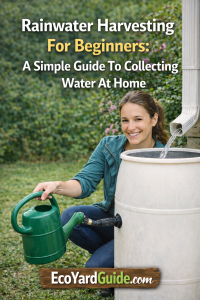
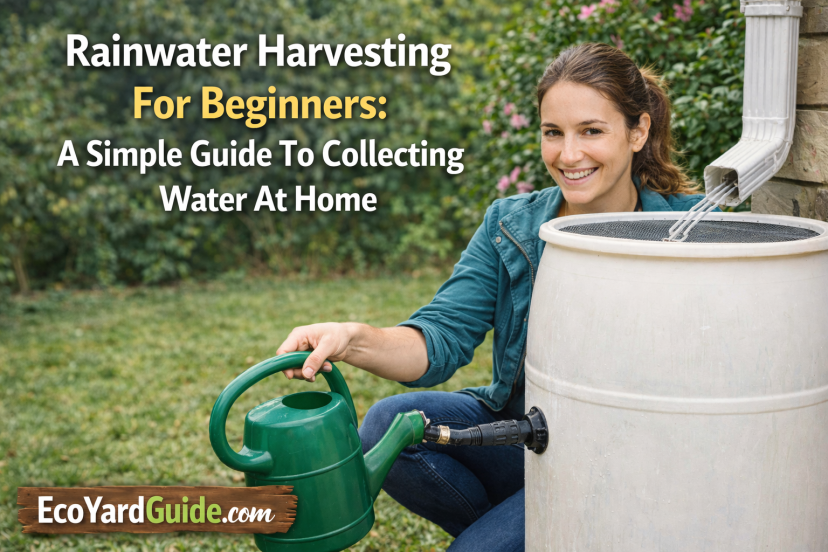
A rain barrel is a container placed under a downspout to collect roof runoff.
🌱 Common Sizes
-
50–55 gallons (Most common)
-
65–80 gallons (Larger capacity)
Multiple barrels can be linked together for increased storage.
🔧 Step-By-Step: Rain Barrel Setup For Beginners
🧰 What You’ll Need
-
Food-grade rain barrel
-
Downspout diverter or elbow
-
Screened lid
-
Spigot
-
Overflow hose
🔧 Simple Installation Steps
-
Place the barrel on a level, elevated base
-
Cut or redirect the downspout
-
Attach the diverter or elbow
-
Secure screened lid
-
Connect overflow away from the foundation
This entire setup can usually be completed in under an hour.
🌱 Safety Tips For Rainwater Harvesting
Safety is essential, especially around homes and gardens.
✅ Key Safety Practices
-
Use fine mesh screens to block debris and mosquitoes
-
Keep barrels sealed and opaque
-
Direct overflow away from foundations
-
Empty and clean barrels periodically
Never drink untreated rainwater unless it’s properly filtered and disinfected.
🌿 Is Rainwater Harvesting Legal In The U.S.?
Rainwater harvesting laws vary by state.
U.S. General Guidelines
-
Legal in most states for non-potable use
-
Some states offer incentives or rebates
-
HOA rules may apply
States like Texas, Arizona, and Colorado actively encourage rainwater harvesting for home use. Always check local guidelines before installing large systems.
🌿 Using Rainwater For Garden Irrigation
Rainwater is ideal for plants.
🌱 Why Plants Love Rainwater
-
Naturally soft (No salts or chlorine)
-
Slightly acidic
-
Improves soil health
💧 Best Irrigation Uses
-
Vegetable gardens
-
Flower beds
-
Trees and shrubs
Rainwater harvesting for home pairs perfectly with drip irrigation systems.
🌿 Advanced Water Catchment Options
Once you’re comfortable with rain barrels, you may want to expand.
🔧 Upgrade Ideas
-
Linked barrel systems
-
Larger cistern tanks
-
Gravity-fed irrigation lines
These systems increase storage and reduce reliance on municipal water.
🌎 Eco-Friendly Materials For Rainwater Systems
🌱 Recommended Materials
-
Food-grade plastic barrels
-
Stainless steel spigots
-
Recycled containers (Properly cleaned)
❌ Materials To Avoid
-
Containers that held chemicals
-
Open-top barrels
-
Transparent storage tanks
Using safe materials protects both plants and property.
💧 Maintenance Tips For Long-Term Success
🔧 Ongoing Care Checklist
-
Clean screens monthly
-
Drain barrels before winter
-
Check connections after storms
-
Flush system seasonally
Proper maintenance ensures your water catchment system works efficiently year after year.
☀️ Rainwater Harvesting And Energy Savings
Water conservation reduces energy use.
🌱 How It Helps
-
Less energy is used for water treatment
-
Reduced pumping demand
-
Lower strain on infrastructure
Small home systems contribute to larger sustainability goals.
🌿 Common Mistakes To Avoid
❌ Beginner Mistakes
-
Placing barrels on uneven ground
-
Forgetting overflow management
-
Using untreated barrels
-
Ignoring local codes
Avoiding these mistakes improves safety and performance.
💧 Rainwater System Sizing Calculator
Use this to size rain barrels or a storage tank for rainwater harvesting for the home.
🌧️ Step 1: Calculate Monthly Harvest From Your Roof
✅ Inputs
-
Roof Area (Sq Ft): _____
-
Monthly Rainfall (Inches): _____
-
Runoff Factor: _____ (Use 0.8 for asphalt shingles, 0.9 for metal, 0.7 for rough/green surfaces)
-
System Efficiency: _____ (Use 0.85 for basic gutters + screen + diverter, 0.75 if lots of debris)
🔧 Formula
-
Gallons Collected = Roof Area × Rainfall × 0.623 × Runoff Factor × System Efficiency
Why 0.623?
It converts 1 inch of rain on 1 sq ft into gallons.
🌿 Step 2: Estimate Your Outdoor Water Demand
Pick one method (A is easiest).
✅ Method A: Garden Area Method (Fast)
-
Garden Area (Sq Ft): _____
-
Weekly Water Target (Inches): _____ (Use 1 inch/week for many gardens)
Weekly Gallons Needed = Garden Area × Weekly Inches × 0.623
Monthly Gallons Needed = Weekly Gallons Needed × 4.33
✅ Method B: Hose/Drip Method (Practical)
-
Drip Or Hose Gallons Per Hour (GPH): _____
-
Hours Per Week: _____
Weekly Gallons Needed = GPH × Hours Per Week
Monthly Gallons Needed = Weekly Gallons Needed × 4.33
🧮 Step 3: Choose Storage Size (The “Right Tank” Number)
You size storage based on how long you want to water without rain.
✅ Inputs
-
Daily Water Need (Gallons/Day): _____
-
Daily Water Need = Monthly Gallons Needed ÷ 30
-
-
Days Of Buffer Wanted: _____ (Use 7–21 days)
🔧 Formula
-
Recommended Storage (Gallons) = Daily Water Need × Days Of Buffer
✅ Quick Rule For Rain Barrels
-
Number Of Barrels = Recommended Storage ÷ Barrel Size
-
Common Barrel Size = 55 gallons
-
✅ Quick Example (So You Can Copy The Math)
🌧️ Harvest
-
Roof Area: 1,000 sq ft
-
Rainfall: 2 inches/month
-
Runoff Factor: 0.8
-
Efficiency: 0.85
Collected = 1,000 × 2 × 0.623 × 0.8 × 0.85
Collected ≈ 847 gallons/month
🌿 Demand (Garden Area Method)
-
Garden Area: 200 sq ft
-
Weekly Water: 1 inch
Weekly Need = 200 × 1 × 0.623 = 125 gallons/week
Monthly Need = 125 × 4.33 ≈ 541 gallons/month
💧 Storage (14-Day Buffer)
-
Daily Need: 541 ÷ 30 ≈ 18 gallons/day
-
Storage: 18 × 14 ≈ 252 gallons
Barrels Needed = 252 ÷ 55 ≈ 5 barrels
🌱 Smart Recommendations (Sizing Shortcuts)
-
If You Only Want Hand-Watering: 1–2 barrels (55–110 gallons)
-
If You Want Weekly Garden Irrigation: 200–500 gallons
-
If You Want Serious Drought Buffer: 500–1,500+ gallons (Cistern style)
⚠️ Notes That Affect Accuracy
-
Roof Type Matters: Metal collects more efficiently than rough shingles
-
First-Flush Losses Are Real: Dirty first runoff reduces usable volume
-
Overflow Planning Is Required: Always route overflow away from foundations
🧑🔧 When To Consult A Professional
Consider professional help if:
-
Installing large storage tanks
-
Integrating irrigation systems
-
Connecting to plumbing systems
-
Managing drainage or grading issues
Eco-contractors and landscapers can ensure compliance and efficiency.
❓ FAQs About Rainwater Harvesting For Home
🌱 Is Rainwater Safe For Gardens?
Yes. Rainwater is excellent for garden irrigation.
💧 How Many Rain Barrels Do I Need?
Most homes start with one or two barrels.
🌧️ Does Rainwater Harvesting Work In Dry Areas?
Yes. Even infrequent rain adds up over time.
🏡 Can I Use Rainwater On Lawns?
Yes, especially during drought restrictions.
❄️ What Do I Do With Barrels In Winter?
Drain and disconnect before freezing temperatures.
🧪 Can Rainwater Be Used Indoors?
Only with proper filtration and permits.
💰 Are There Rebates For Rainwater Systems?
Some states and cities offer rebates—check locally.
🌿 Conclusion: Small System, Big Impact
Rainwater harvesting for home is one of the easiest ways to conserve water, save money, and support a healthier environment. With a simple rain barrel system, you can turn free rainfall into a reliable resource for garden irrigation and outdoor use.
Every gallon you collect reduces strain on local water systems and helps protect natural waterways. Start small, stay safe, and let nature help power your sustainable yard.
⚠️ Disclaimer
Rainwater harvesting regulations and safety requirements vary by location. Always follow local building codes, HOA rules, and safety guidelines before installing a water collection system.
 Explore more:
- How to Make Compost Tea?
- Eco Yard Mistakes Most Homeowners Make
- Hugelkultur Beds: Build A Natural Raised Bed