Permeable Landscaping: Reduce Runoff And Save Water With Smarter Outdoor Design
🌱 Why Water-Smart Landscaping Matters More Than Ever
Across the U.S., homeowners are rethinking how their yards work—not just how they look. Heavy rainstorms, rising water bills, drought restrictions, and flooding are pushing people to seek smarter, more sustainable outdoor solutions.
Traditional concrete patios, asphalt driveways, and compacted lawns may seem low-maintenance, but they create a major problem: water has nowhere to go. Instead of soaking into the ground, rain rushes across hard surfaces, carrying pollutants into storm drains, flooding yards, and wasting a valuable natural resource.
That’s where permeable landscaping comes in.
By allowing rainwater to infiltrate the soil naturally, permeable surfaces help homeowners reduce runoff, improve drainage, protect local ecosystems, and even save money over time. Whether you’re redesigning a driveway, upgrading walkways, or planning an eco-friendly yard makeover, permeable landscaping offers a practical, planet-friendly solution you can feel good about.
💧 What Is Permeable Landscaping?
Permeable landscaping is a design approach that uses surfaces and materials that allow water to pass through instead of running off. Unlike solid concrete or asphalt, permeable systems are built with gaps, porous materials, or layered bases that promote rainwater infiltration into the soil below.
🔧 Key Characteristics Of Permeable Landscaping
-
Allows rainwater to soak into the ground naturally
-
Reduces surface runoff and standing water
-
Filters pollutants before water reaches groundwater
-
Mimics natural soil absorption processes
By restoring the land’s ability to absorb water, permeable landscaping supports healthier soil, plants, and surrounding waterways.
🌧️ Why Traditional Landscaping Causes Runoff Problems
Before understanding the benefits, it helps to know why runoff happens in the first place.
🚧 Common Causes Of Excess Runoff
-
Large concrete driveways and patios
-
Asphalt walkways and parking areas
-
Compacted soil from foot traffic or construction
-
Poor grading that directs water toward structures
In many U.S. neighborhoods, stormwater systems are overwhelmed during heavy rains. This leads to localized flooding, erosion, and polluted water entering rivers and lakes untreated.
According to the EPA, runoff from hard surfaces is one of the leading contributors to urban water pollution—something permeable landscaping directly helps prevent.
🌿 How Permeable Landscaping Improves Water Infiltration
Permeable landscaping works by combining surface materials with layered bases designed to manage water efficiently.
💧 How Rainwater Infiltration Works
-
Rain falls onto a permeable surface
-
Water passes through gaps or pores
-
Gravel and sand layers slow and filter water
-
Moisture recharges soil and groundwater
This process reduces pressure on municipal storm drains and keeps water where it belongs—in the ground.
🌱 Environmental Benefits Of Permeable Landscaping
Permeable landscaping isn’t just good for your yard—it benefits your entire community.
✅ Key Environmental Advantages
-
Reduces flooding and erosion
-
Improves groundwater recharge
-
Filters pollutants naturally
-
Protects nearby streams and wetlands
-
Supports healthier plant root systems
Many U.S. cities now encourage eco hardscaping solutions because they align with sustainability goals and stormwater management regulations.
🔧 Popular Permeable Landscaping Materials
Choosing the right materials is essential for long-term performance and durability.
🧱 Permeable Pavers
Permeable pavers are one of the most popular options for eco-friendly hardscaping.
-
Designed with spacing for water flow
-
Durable enough for driveways and patios
-
Available in many styles and colors
-
Easy to replace individual units if damaged
🪨 Gravel And Crushed Stone
Loose materials offer excellent drainage when properly installed.
-
Ideal for walkways and seating areas
-
Budget-friendly and widely available in the U.S.
-
Requires edging to prevent spreading
🌾 Grass Pavers
Grass pavers combine structural support with greenery.
-
Plastic or concrete grids filled with soil and grass
-
Great for low-traffic driveways or parking areas
-
Blends seamlessly into lawn designs
☀️ Eco Hardscaping Ideas For U.S. Homes
Eco hardscaping focuses on minimizing environmental impact while maximizing function.
🌿 Smart Eco Hardscaping Strategies
-
Replace solid patios with permeable pavers
-
Use gravel paths instead of poured concrete
-
Install rain gardens near downspouts
-
Combine permeable surfaces with native plants
In states like California, Arizona, and Colorado—where water conservation laws are common—these upgrades can also help homeowners comply with local regulations and qualify for rebates.
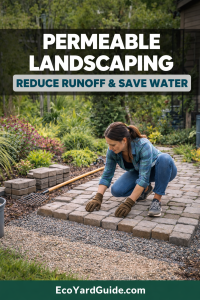
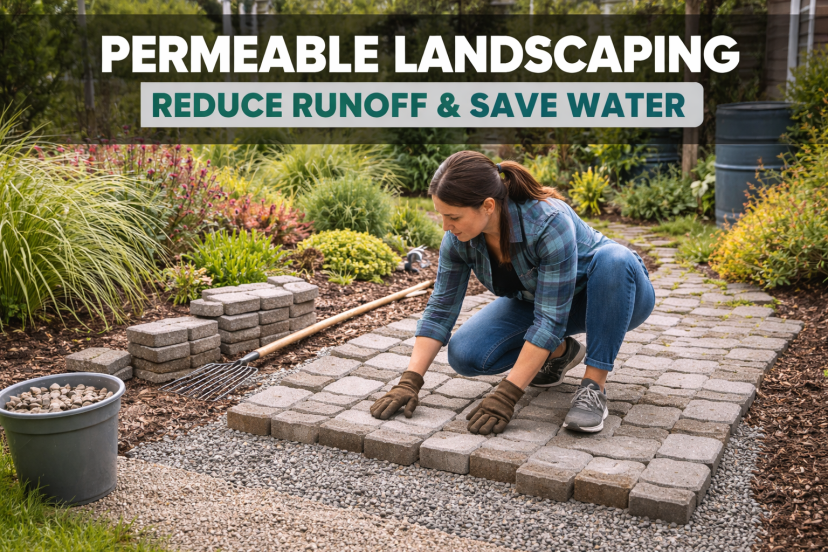
🔧 DIY Guide: Installing A Permeable Paver Walkway
Homeowners with basic DIY skills can tackle small permeable landscaping projects.
🛠️ Step-By-Step Overview
-
Plan The Area
-
Mark dimensions and check drainage direction
-
-
Excavate The Base
-
Remove soil to a depth of 8–12 inches
-
-
Add A Gravel Base
-
Use crushed stone for stability and drainage
-
-
Install Bedding Layer
-
Spread coarse sand evenly
-
-
Lay Permeable Pavers
-
Maintain consistent spacing
-
-
Fill Joints
-
Use small gravel instead of sand
-
-
Compact And Water
-
Set materials firmly and test drainage
-
This type of permeable landscaping project improves rainwater infiltration immediately and adds long-term value.
💧 Cost Considerations And Long-Term Savings
While permeable materials may cost more upfront, they often save money over time.
💰 Financial Benefits
-
Reduced flood damage repairs
-
Lower drainage system costs
-
Potential local rebates or incentives
-
Increased property value
Some U.S. municipalities offer stormwater fee reductions for homes that manage runoff responsibly—making permeable landscaping even more attractive.
🌿 Maintenance Tips For Permeable Landscaping
Proper maintenance ensures your system works for decades.
🔧 Easy Maintenance Practices
-
Sweep surfaces regularly to prevent clogging
-
Refill joint gravel as needed
-
Remove debris after storms
-
Avoid sealing permeable materials
With minimal upkeep, permeable landscaping continues to improve drainage year after year.
☀️ When To Consult A Professional
While DIY projects work well for small areas, some situations require expert help.
🔍 Consider A Professional If:
-
You’re installing a permeable driveway
-
Your yard has severe drainage problems
-
Local codes require engineered solutions
-
You want to integrate solar, irrigation, or grading systems
Licensed landscapers, eco-contractors, and drainage specialists can ensure compliance with regional regulations and long-term performance.
❓ Frequently Asked Questions About Permeable Landscaping
💧 Does permeable landscaping really reduce flooding?
Yes. By allowing rainwater infiltration, permeable landscaping significantly reduces surface runoff and pooling during heavy storms.
🌱 Are permeable pavers strong enough for driveways?
High-quality permeable pavers are designed to support vehicle weight when installed with a proper base.
🪨 Can permeable landscaping work in clay soil?
Yes, though deeper gravel bases or soil amendments may be needed to improve drainage.
☀️ Is permeable landscaping more expensive?
Initial costs can be higher, but long-term savings from reduced repairs and water management often offset the investment.
🌧️ Does permeable landscaping clog over time?
Proper maintenance—like sweeping debris—prevents clogging and maintains performance.
🌿 Are there U.S. rebates for permeable landscaping?
Some cities and states offer rebates or stormwater credits. Check with local water authorities.
🔧 Can I mix permeable and traditional surfaces?
Yes. Many homeowners use permeable solutions in high-runoff areas while keeping traditional materials elsewhere.
🌱 Conclusion: Build A Yard That Works With Nature
Permeable landscaping is more than a trend—it’s a smart, future-focused way to design outdoor spaces that protect water, reduce runoff, and support healthier ecosystems.
By choosing permeable pavers, gravel paths, and eco hardscaping strategies, U.S. homeowners can create beautiful yards that function better in every season. Small changes add up, and every drop of water saved makes a difference.
A water-smart yard doesn’t just look good—it works smarter for you and the planet.
⚠️ Disclaimer
DIY landscaping projects vary by region. Always check local building codes, HOA rules, and water regulations before starting. Consult professionals for structural or drainage-critical installations.
 Explore more:
- How To Build A Wildlife Friendly Yard That Supports Nature
- The Ultimate Guide to Eco Landscaping for Beginners
- Natural Lawn Alternatives That Save Water & Time