Mulching Mistakes That Harm Soil Health (And How To Fix Them)
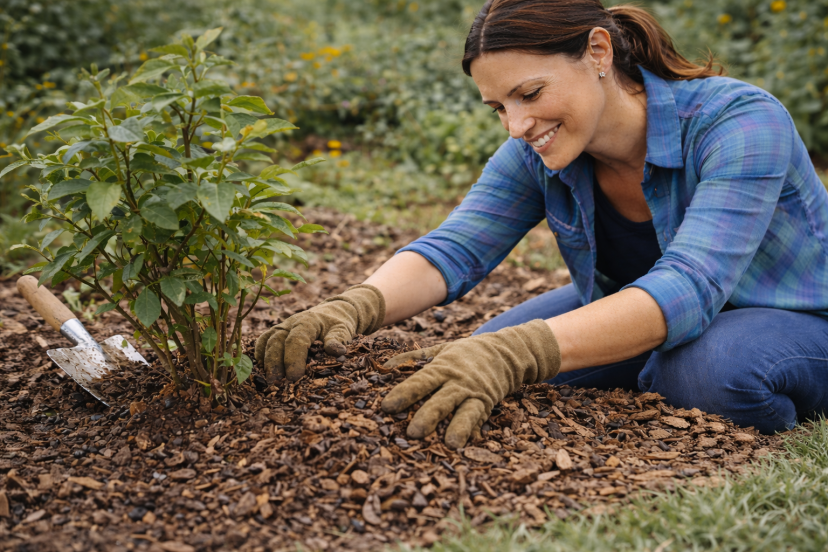
🌈 Mulch Can Help Or Hurt—It Depends How You Use It
Mulch is one of the most powerful tools eco-conscious homeowners use to protect soil, save water, and reduce weeds. When done right, it builds healthier soil, supports beneficial microbes, and cuts down on maintenance. But when done wrong, mulching mistakes can quietly damage your garden.
Across the U.S., many well-meaning gardeners unintentionally smother plants, invite pests, create fungus problems, or waste money—simply by applying mulch incorrectly. These bad mulching practices often come from misinformation, rushed landscaping, or copying what “looks good” instead of what the soil actually needs.
The good news?
Most mulching mistakes are easy to fix once you know what to look for.
This guide breaks down the most common errors, explains why they harm soil health, and shows you exactly how to mulch the right way—naturally and sustainably.
🌿 Why Mulching Matters For Soil Health
Mulch is more than a decorative layer—it directly affects soil structure, moisture, and life below the surface.
🌱 Benefits Of Proper Mulching
- Improves moisture retention
- Regulates soil temperature
- Reduces erosion and compaction
- Feeds beneficial organisms
- Suppresses weeds naturally
However, these benefits only happen when mulch is applied correctly. Poor technique can reverse the results.
🚫 Mulching Mistake #1: Applying Mulch Too Deep
One of the most damaging mulching mistakes is piling mulch excessively thick.
🌿 Why Mulch Too Deep Causes Problems
- Blocks oxygen from the soil
- Traps excess moisture
- Encourages fungal problems
- Promotes root rot
In many U.S. landscapes, “volcano mulching” around trees—where mulch is piled high against trunks—is a widespread issue.
✅ How To Fix It
- Apply mulch 2–3 inches deep
- For coarse materials, up to 4 inches max
- Pull mulch away from stems and trunks
Depth matters more than quantity.
🌱 Mulching Mistake #2: Mulch Touching Tree Trunks And Plant Stems
Mulch should never touch living wood or stems.
🌿 Why This Is A Bad Mulching Practice
- Traps moisture against the bark
- Creates ideal conditions for fungi
- Attracts insects and rodents
- Weakens plant structure
This mistake is a leading cause of long-term tree decline in residential landscapes.
✅ How To Fix It
- Leave a 2–4 inch gap around trunks
- Form a donut shape, not a mound
- Keep stems dry and exposed
Healthy airflow protects plants naturally.
🌿 Mulching Mistake #3: Using The Wrong Type Of Mulch
Not all mulch is suitable for every garden.
🚫 Common Wrong Choices
- Dyed wood mulch (unknown chemicals)
- Fresh wood chips mixed into the soil
- Non-organic rubber mulch
- Plastic landscape fabric under mulch
These bad mulching practices can harm soil life and limit nutrient cycling.
🌱 Better Eco-Friendly Options
- Shredded leaves
- Untreated wood chips
- Straw (for vegetables)
- Pine needles
- Compost
Choose mulch that breaks down and feeds the soil over time.
💧 Mulching Mistake #4: Mulching Wet Or Compacted Soil
Timing matters when mulching.
🌿 Why This Causes Issues
- Traps excess moisture
- Worsens compaction
- Encourages anaerobic conditions
This often leads to fungus problems and poor root development.
✅ How To Fix It
- Mulch when the soil is slightly moist, not wet
- Loosen compacted soil first
- Avoid mulching immediately after heavy rain
Healthy soil needs air as much as water.
🌱 Mulching Mistake #5: Never Refreshing Old Mulch
Mulch breaks down over time—and that’s a good thing.
🌿 Why Neglecting Mulch Maintenance Is A Problem
- Soil becomes exposed
- Weed suppression weakens
- Mulch loses insulation value
Many homeowners forget to refresh mulch annually.
✅ How To Fix It
- Check mulch depth each season
- Add new material as old mulch decomposes
- Mix lightly with surface soil if appropriate
Decomposing mulch is a sign of healthy soil activity.
🌿 Mulching Mistake #6: Using Mulch As A Weed Cover Without Preparation
Mulch alone doesn’t always stop weeds.
🌿 Why Weeds Still Appear
- Weed seeds are already in the soil
- Thin mulch layers
- Gaps around plants
This leads gardeners to pile mulch too deeply—creating new problems.
✅ How To Fix It
- Remove weeds before mulching
- Apply cardboard or newspaper underneath
- Maintain proper depth consistently
Layering correctly prevents weeds without harming the soil.
🌱 Mulching Mistake #7: Mixing Mulch Into The Soil Surface
Mulch belongs on top—not mixed in.
🌿 Why This Harms Soil Structure
- Ties up nitrogen temporarily
- Disrupts soil layers
- Slows plant growth
This is one of the most misunderstood bad mulching practices.
✅ How To Fix It
- Keep mulch on the surface
- Use compost if mixing into the soil
- Let organisms pull mulch downward naturally
Nature handles incorporation better than tools.
🌿 Mulching Mistake #8: Ignoring Regional Climate Needs
Mulching strategies vary across the U.S.
🌱 Climate-Specific Considerations
- Hot climates: Focus on moisture retention
- Cold climates: Avoid early spring over-mulching
- Humid regions: Watch for fungus problems
Copying techniques from different climates can backfire.
✅ How To Fix It
- Adjust mulch thickness seasonally
- Monitor moisture levels
- Choose climate-appropriate materials
Local extension offices often provide regional guidance.
🌱 Mulching Mistake #9: Mulching Too Early In Spring
Mulch insulates—but that can delay warming.
🌿 Why This Matters
- Cold soil slows root growth
- Beneficial microbes stay inactive
- Seed germination is delayed
✅ How To Fix It
- Wait until the soil warms naturally
- Mulch after plants establish
- Use lighter layers early in the season
Timing improves results without sacrificing benefits.
🌿 Mulching Mistake #10: Treating Mulch As Decoration Only
Mulch isn’t just for appearance.
🌿 Problems With Decorative-Only Mulching
- Poor material choices
- Incorrect depth
- Ignored soil health
This mindset leads to repeated mulching mistakes year after year.
✅ How To Fix It
- Prioritize soil function over looks
- Choose organic materials
- Observe plant response
Healthy soil always looks better long-term.
☀️ Eco-Friendly Mulching Best Practices (Quick Guide)
🌱 Do This Instead
- Use natural, untreated mulch
- Apply 2–3 inches deep
- Keep mulch away from trunks
- Refresh annually
- Adjust for climate
Small changes create big improvements in soil health.
🌍 Environmental Benefits Of Proper Mulching
Avoiding mulching mistakes benefits more than your yard.
🌿 Sustainability Benefits
- Reduces water use
- Prevents soil erosion
- Supports beneficial insects
- Lowers fertilizer needs
Many U.S. water conservation programs encourage mulching as a best practice.
🔍 When To Consult A Professional
Most mulching issues are DIY-friendly, but some situations need help.
🔧 Seek Professional Advice If:
- Trees show signs of rot
- Drainage problems persist
- Fungal problems spread rapidly
- Large landscapes need redesign
Certified arborists and eco-landscapers can assess root and soil health.
❓ FAQs About Mulching Mistakes
🌱 What is the most common mulching mistake?
Applying mulch too deeply and piling it against trunks.
💧 How deep should mulch be?
Most gardens need 2–3 inches of mulch.
🌿 Can mulch cause fungus problems?
Yes, especially when mulch is too deep or stays constantly wet.
🌱 Is dyed mulch bad for soil?
Some dyed mulches may contain unknown chemicals—natural mulch is safer.
🌿 Should I remove old mulch before adding new?
Only if it’s compacted or moldy. Otherwise, layer lightly.
☀️ Can mulch attract pests?
Improper mulching can attract rodents and insects.
🌱 Does mulch improve soil over time?
Yes, when applied correctly, organic mulch improves soil health naturally.
🧩 Conclusion: Mulch Smarter, Not Harder
Mulch is one of the simplest tools for eco-friendly gardening—but only when used correctly.
By avoiding common mulching mistakes, correcting bad mulching practices, and paying attention to depth, material, and timing, you protect your soil, plants, and wallet. Healthy mulch habits lead to healthier soil, stronger plants, and a more sustainable yard year after year.
Start small, adjust as you go, and let your soil guide you.
⚠️ Disclaimer
Mulching practices may vary by region. Always follow local guidelines, HOA rules, and plant-specific needs. Consult professionals for tree health, drainage issues, or regulated landscaping projects.
 Explore more:
- Soil Testing For Eco Gardeners
- How To Reduce Lawn Water Usage Without Killing Your Grass
- Best Natural Fertilizers For Organic Gardens