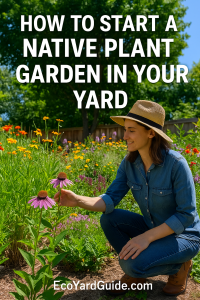
How to Start a Native Plant Garden in Your Yard (Build a Thriving, Eco-Friendly Ecosystem)
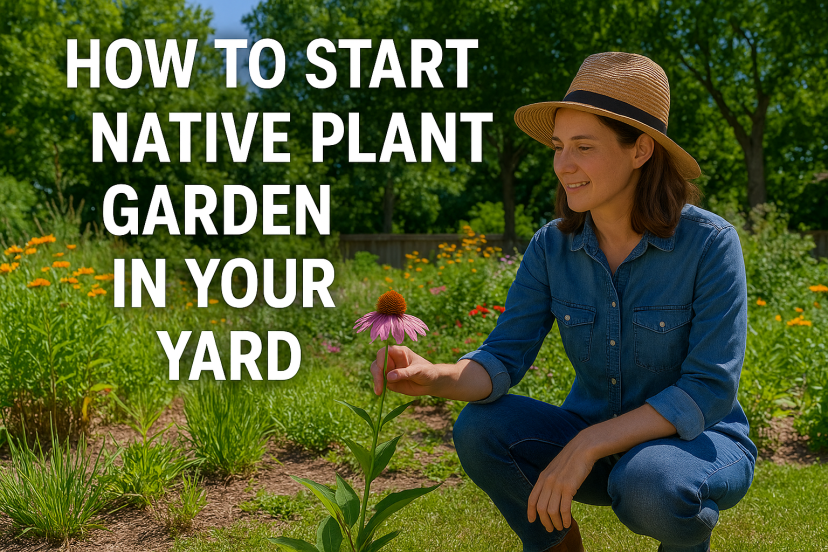
🌍 Why Eco-Conscious Homeowners Are Turning to Native Plants
Across the U.S., more homeowners are looking for ways to save money, reduce waste, and live sustainably—starting right in their own backyards. Rising water bills, struggling lawns, and declining pollinator populations are pushing families to rethink traditional landscaping.
That’s where a native plant garden comes in. Instead of fighting nature with constant watering, fertilizers, and chemicals, native gardening works with your local ecosystem. By choosing local plants for your yard, you can create a beautiful outdoor space that thrives naturally, supports wildlife, and requires far less maintenance.
In this beginner-friendly guide, you’ll learn exactly how to plan, plant, and maintain a native plant garden that builds long-term resilience and supports true biodiversity landscaping.
🌿 What Is a Native Plant Garden?
A native plant garden is made up of plants that naturally grow in your region—before turf grass and ornamental imports took over. These plants evolved alongside local soil, rainfall patterns, insects, and wildlife.
✅ Native Gardening vs. Traditional Landscaping
-
Native plants thrive without heavy watering
-
They resist local pests naturally
-
They support birds, bees, and butterflies
-
They improve soil health over time
-
They reduce fertilizer and pesticide use
In contrast, traditional lawns often rely on constant irrigation, chemicals, and mowing to survive.
💧 Why Native Gardening Matters More Than Ever
The U.S. faces increasing droughts, hotter summers, and growing water restrictions—especially in states like California, Arizona, Texas, Utah, and Nevada. According to the EPA, outdoor watering accounts for nearly 30% of total household water use nationwide.
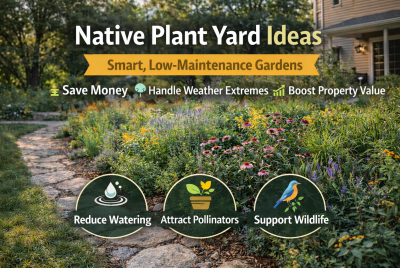
A well-planned native plant garden can reduce outdoor water use by 50–80%, making it one of the most powerful upgrades for water conservation and climate-smart landscaping.
✅ Benefits of a Native Plant Garden
Here’s what homeowners gain from switching to native gardening:
✅ Lower water bills
✅ Less mowing and trimming
✅ No chemical fertilizers
✅ Stronger soil health
✅ More pollinators and birds
✅ Improved stormwater absorption
✅ Higher long-term property value
From small suburban yards to large rural properties, native gardens scale beautifully to any size.
🌼 Step 1: Identify Your Local Plant Region
Before buying plants, it’s critical to identify your local eco-region. The U.S. is divided into multiple native plant zones based on climate and ecology.
🔧 How to Find Your Native Plant Region
-
Search your state’s native plant society
-
Visit your local extension office (USDA Cooperative Extension)
-
Use online plant finder tools from native nurseries
These resources tell you exactly which local plants your yard will support best.
🌱 Step 2: Choose the Right Native Plants
Not all native plants thrive in the same conditions. You’ll want to match plant choices with your yard’s:
-
Sun exposure
-
Soil type
-
Drainage
-
Wind exposure
-
Moisture levels
✅ Popular Native Plant Types by Region
🌞 Southwest & Dry States
-
Desert marigold
-
Agave
-
Penstemon
-
Blanket flower
🌳 Midwest & Plains
-
Purple coneflower
-
Black-eyed Susan
-
Prairie dropseed
-
Wild bergamot
🌧️ Pacific Northwest
-
Salal
-
Oregon grape
-
Red-flowering currant
-
Native ferns
🌴 Southeast
-
Coreopsis
-
Tickseed
-
Muhly grass
-
Native azaleas
These plants naturally support biodiversity landscaping by feeding pollinators at every stage of the growing season.
🌿 Step 3: Design Your Native Plant Garden Layout
Designing a native plant garden doesn’t require formal landscaping skills—just smart placement.
✅ Native Garden Design Tips
-
Group plants by water needs
-
Layer tall plants behind shorter ones
-
Mix flowering and evergreen species
-
Add winding natural pathways
-
Leave open patches for pollinators
This layered, natural look mimics wild ecosystems and strengthens long-term plant survival.
🔧 Step 4: Prepare Your Soil the Eco-Friendly Way
Native plants don’t need highly amended soil—but healthy soil helps them establish faster.
✅ Natural Soil Prep Steps
-
Remove existing turf using sheet-mulching
-
Add compost only if the soil is severely depleted
-
Avoid synthetic fertilizers
-
Preserve existing soil microbes
Healthy soil allows your native gardening system to regulate itself naturally.
🌱 Step 5: Planting Your Native Garden Correctly
Planting season matters. For most of the U.S.:
-
Spring and fall are ideal planting times
-
Avoid peak summer heat
-
Water deeply for the first 8–10 weeks
✅ Planting Basics
-
Dig holes twice as wide as the roots
-
Set plants at original depth
-
Backfill with native soil
-
Water thoroughly after planting
After establishment, your native plant garden becomes largely self-sustaining.
💧 Step 6: Watering a Native Garden the Smart Way
Native plants need water only while establishing. After that, most rely on rainfall alone.
✅ Smart Watering Tips
-
Use drip irrigation during establishment
-
Water early morning
-
Deep watering builds deeper roots
-
Turn off sprinklers after 8–12 weeks
Many cities now offer rebates for drip irrigation systems in drought-prone regions.
♻️ Step 7: Mulch for Long-Term Soil Protection
Mulching is essential for moisture retention and soil health.
✅ Best Mulch for Native Gardens
-
Shredded leaves
-
Wood chips
-
Pine needles
-
Natural compost
Mulch strengthens your native gardening system by protecting beneficial microbes and preventing weeds.
🐝 Step 8: Build a True Biodiversity Landscape
A successful native plant garden goes beyond plants—it creates habitat.
✅ Biodiversity Landscaping Features
-
Bee hotels
-
Bird baths
-
Native shrubs for nesting
-
Seed-producing flowers
-
Shallow water dishes
This transforms your yard into a living ecosystem that supports birds, butterflies, and beneficial insects year-round.
🛑 Common Native Gardening Mistakes to Avoid
❌ Planting non-native “pollinator” plants
❌ Overwatering after establishment
❌ Using chemical fertilizers
❌ Over-mulching stems
❌ Ignoring plant spacing
✅ Native gardens succeed when they mimic natural conditions—not ornamental landscaping routines.
💰 Cost Savings of a Native Plant Garden
Homeowners who switch to native gardening often reduce:
-
Water costs by 40–80%
-
Fertilizer purchases to near zero
-
Lawn equipment use
-
Replacement plant costs
-
Pest treatments
Many states also offer landscape conversion rebates for replacing turf with native plants.
☀️ Bonus: Pair Native Gardening with Solar & Water Conservation
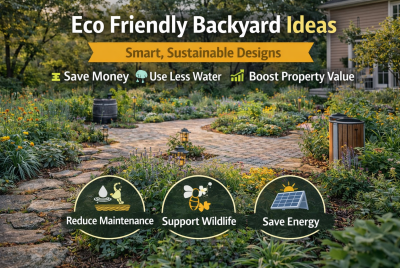
For maximum sustainability, combine your native garden with:
-
Rain barrels
-
Drip irrigation
-
Permeable walkways
-
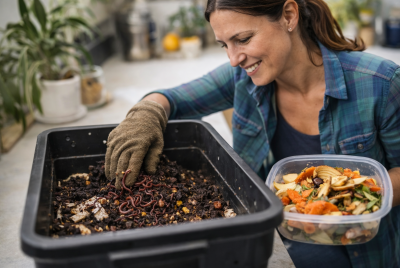
Compost bins
This creates a full eco-friendly yard ecosystem that conserves water, energy, and soil health.
🛠️ When to Consult a Professional
While most native gardens are DIY-friendly, seek expert help if:
-
Your yard has major slopes or erosion
-
You’re dealing with drainage problems
-
You’re coordinating with solar installations
-
Your HOA has strict landscaping rules
-
You’re applying for local turf-replacement rebates
Certified eco-landscapers and extension agents can ensure success.
❓ FAQs About Native Plant Gardening
1. What is a native plant garden?
A native plant garden uses plants that naturally grow in your region and support local ecosystems.
2. Does native gardening work in all U.S. climates?
Yes—every climate in the U.S. has its own native plant species.
3. Are native plants expensive?
No—many are cheaper than ornamental imports and require fewer replacements.
4. Will my yard still look neat?
Yes—native gardens can be both natural and highly designed.
5. Do native gardens attract pests?
They attract beneficial insects that naturally control pests.
6. How long does it take a native garden to establish?
Most mature fully within 1–2 growing seasons.
7. Do native gardens hurt resale value?
No—eco-friendly landscaping often increases buyer interest.
✅ Conclusion: Your Yard Can Be a Living, Thriving Ecosystem
Starting a native plant garden may be one of the most powerful upgrades you can make for your yard, your wallet, and the planet. By choosing local plants for your yard, supporting real biodiversity landscaping, and practicing modern native gardening, you create a space that thrives naturally—without constant maintenance or chemicals.
You don’t have to convert your entire lawn at once. Start with one bed. One corner. One pollinator patch. Each plant you add strengthens your local ecosystem and brings you one step closer to true sustainability.
Your yard can be more than beautiful—it can be alive. 🌱
⚠️ Disclaimer
This article is for informational purposes only. Local soil conditions, HOA rules, and climate regulations vary by region. Always consult your local extension office or a certified eco-landscape professional before making major planting decisions.
 Explore more:
- Raised Beds Vs In-Ground Gardens: Which Is Better
- Natural Ways To Improve Yard Drainage
- Low-Maintenance Yard Ideas That Save Time & Water