How To Reduce Lawn Water Usage Without Killing Your Grass 💧 Smart, Eco-Friendly Lawn Care That Saves Water And Money
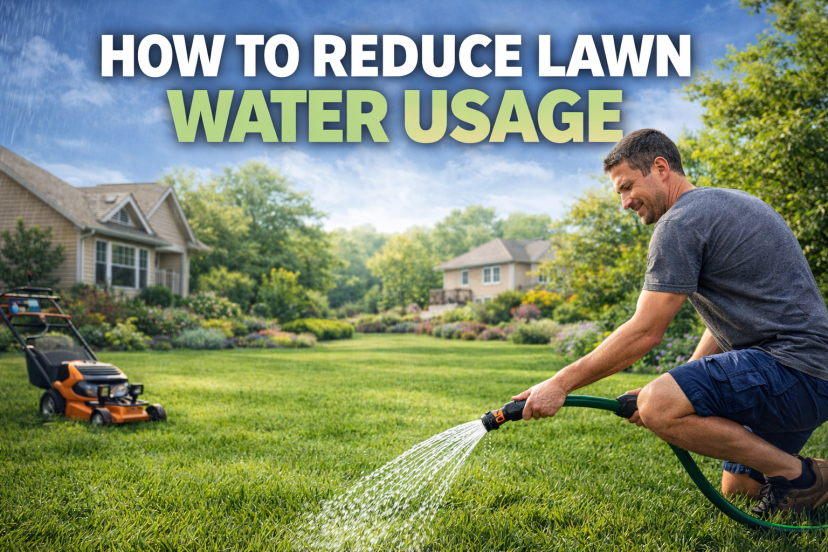
🌿 A Greener Lawn Starts With Smarter Water Use
Keeping a healthy green lawn doesn’t have to mean running sprinklers every day. Across the U.S., rising water costs, drought restrictions, and environmental concerns are pushing homeowners to rethink traditional lawn care habits.
The good news? You can reduce lawn water usage without letting your grass turn brown.
With a few smart adjustments—like mowing higher, improving soil health, and watering more efficiently—you can grow a resilient lawn that needs less water while still looking great. These eco-friendly strategies don’t just save money; they also protect local water supplies and reduce unnecessary waste.
In this guide, you’ll learn practical, proven ways to reduce lawn water usage using sustainable methods that work in real U.S. yards.
💧 Why Lawns Use So Much Water In The First Place
Many lawns consume far more water than they actually need. The issue often isn’t the grass—it’s the maintenance habits.
🌱 Common Causes Of Excess Lawn Water Use
-
Shallow, frequent watering that weakens roots
-
Cutting grass too short
-
Poor soil that can’t retain moisture
-
Inefficient sprinkler systems
-
Over-fertilizing with synthetic products
Understanding these causes is the first step toward less watering lawn routines that still support healthy growth.
✅ Benefits Of Reducing Lawn Water Usage
Learning how to reduce lawn water usage offers both personal and environmental rewards.
🌿 Key Benefits For Homeowners
-
Lower monthly water bills
-
Healthier, deeper grass roots
-
Fewer lawn diseases and pests
-
Reduced runoff and soil erosion
-
Compliance with local water restrictions
In states like California, Arizona, and Colorado, efficient lawn watering can also help homeowners avoid fines during drought seasons.
🌱 Mow Higher To Protect Moisture And Grass Health
One of the easiest ways to support drought lawn care is adjusting your mower height.
🔧 Why Taller Grass Needs Less Water
-
Shades the soil, reducing evaporation
-
Encourages deeper root systems
-
Improves natural drought resistance
✅ Recommended Mowing Heights
-
Cool-season grasses: 3–4 inches
-
Warm-season grasses: 2.5–3 inches
Never remove more than one-third of the grass blade at a time. Taller grass is one of the most effective eco lawn tips available.
💧 Water Deeply, But Less Often
Frequent shallow watering trains the grass roots to stay near the surface, making lawns more dependent on irrigation.
🌱 Smarter Lawn Watering Strategy
-
Water deeply 1–2 times per week
-
Aim for about 1 inch of water total
-
Water early in the morning to reduce evaporation
This method strengthens roots and helps reduce lawn water usage long term.
🔧 Improve Soil With Organic Amendments
Healthy soil acts like a sponge, holding moisture longer so grass needs less watering.
🌿 Eco-Friendly Soil Improvements
-
Compost boosts water retention
-
Organic matter improves drainage
-
Aeration reduces soil compaction
Adding compost once or twice a year is a powerful eco lawn tip that supports sustainable growth.
🌱 Choose Drought-Resistant Grass Varieties
Not all grass types have the same water needs. Some are naturally better suited for less watering lawn routines.
☀️ Popular Low-Water Grass Options In The U.S.
-
Bermuda grass (warm climates)
-
Zoysia grass
-
Buffalo grass
-
Tall fescue (cool climates)
These varieties are commonly used in drought lawn care programs across water-restricted regions.
💧 Upgrade To Smart Irrigation Systems
Old sprinkler systems waste water through overspray, evaporation, and poor timing.
🔧 Water-Saving Irrigation Upgrades
-
Smart irrigation controllers
-
Rain sensors
-
Drip irrigation for edges and slopes
EPA WaterSense–certified controllers can reduce outdoor water use by up to 30%.
🌿 Reduce Lawn Size With Eco-Friendly Alternatives
Lawns don’t need to cover every inch of your yard.
🌱 Low-Water Landscaping Ideas
-
Native plant borders
-
Mulched garden beds
-
Ground covers like clover
Replacing even small lawn sections helps reduce lawn water usage while adding visual interest.
☀️ Fertilize Less, Feed Smarter
Over-fertilizing encourages fast growth that requires more water.
🌱 Sustainable Lawn Feeding Tips
-
Use slow-release organic fertilizers
-
Fertilize during active growth seasons
-
Avoid fertilizing during droughts
Healthy lawns fed naturally adapt better to drought lawn care conditions.
💧 Mulch Grass Clippings Instead Of Bagging
Grass clippings act as natural mulch when left on the lawn.
🌿 Benefits Of Mulching Mowers
-
Reduces evaporation
-
Returns nutrients to the soil
-
Improves moisture retention
This simple habit supports eco lawn tips without extra cost.
🧑🔧 When To Consult A Professional
While many water-saving strategies are DIY-friendly, some situations benefit from expert help.
🔍 Consider Professional Help If:
-
Your lawn has persistent dry patches
-
Soil drainage issues won’t improve
-
You want irrigation system upgrades
-
Local water regulations require compliance plans
A landscaper or eco-contractor can tailor solutions to your region and soil type.
❓ FAQs About Reducing Lawn Water Usage
💧 How Often Should I Water My Lawn To Save Water?
Most lawns need watering just once or twice per week when watered deeply, depending on climate and soil.
🌱 Will My Grass Turn Brown If I Water Less?
Temporary dormancy is normal during hot weather. Grass usually recovers when conditions improve.
☀️ What Time Of Day Is Best For Lawn Watering?
Early morning (before 9 a.m.) minimizes evaporation and disease risk.
🌿 Can I Reduce Lawn Water Usage Without New Equipment?
Yes. Mowing higher, improving soil, and adjusting watering schedules all help.
💧 Are Smart Sprinklers Worth It?
Smart controllers often pay for themselves through water savings within one to two seasons.
🌎 Is Clover Better Than Grass For Low-Water Lawns?
Clover requires less water, stays green longer, and improves soil nitrogen naturally.
🔧 How Long Does It Take To See Results?
Most homeowners notice healthier lawns within 4–6 weeks of adopting eco lawn tips.
🌱 Conclusion: A Healthier Lawn With Less Water Is Possible
You don’t need constant watering to maintain a green, healthy lawn. By mowing smarter, improving soil, choosing the right grass, and upgrading irrigation, you can reduce lawn water usage while protecting your yard and the environment.
Every gallon saved helps lower costs, reduce strain on water systems, and support a more sustainable future. Start with one change, build better habits, and let your lawn adapt naturally.
⚠️ Disclaimer
This content is for educational purposes only. Lawn care results vary by climate, soil type, and local regulations. Always follow municipal watering rules and consult professionals for large-scale changes.
 Explore more:
- Soil Testing For Eco Gardeners
- How To Build A DIY Compost Bin
- Best Natural Fertilizers For Organic Gardens