How To Make Your Backyard Wildlife-Friendly: A Practical Guide To Creating A Thriving Habitat
📌 Turning Your Yard Into A Living Ecosystem
Many eco-conscious homeowners dream of a backyard that does more than look good. You may want to save money on lawn care, reduce waste, and live more sustainably — while also enjoying birdsong, butterflies, and a healthier outdoor space.
Creating a wildlife friendly yard is one of the simplest ways to support nature right at home. Instead of relying on chemicals, excessive watering, or high-maintenance landscaping, you can design a space that works with nature, not against it.
The good news? You don’t need acres of land or a big budget. With thoughtful planning, even a small suburban backyard can become a thriving habitat for pollinators, backyard birds, and beneficial insects — all while lowering maintenance costs and boosting long-term sustainability.
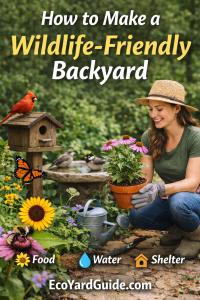
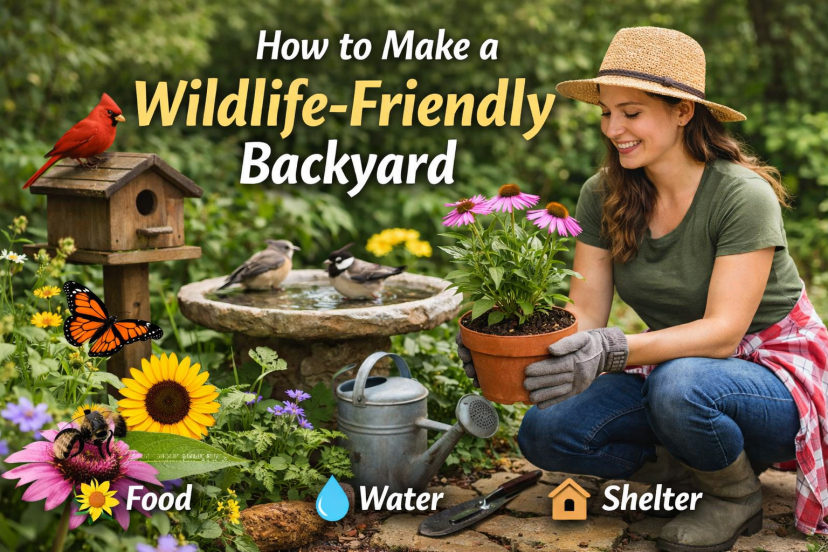
This guide walks you through proven, eco-friendly strategies based on habitat zoning: food, water, and shelter, plus what to avoid if you want wildlife to truly thrive.
🌿 Why A Wildlife Friendly Yard Matters
A wildlife friendly yard supports biodiversity while delivering real benefits to homeowners and the environment.
🌱 Environmental Benefits
• Supports declining pollinator populations
• Improves soil health and water retention
• Reduces chemical runoff into local waterways
• Creates micro-habitats in suburban and urban areas
According to the U.S. Fish & Wildlife Service, habitat loss is the leading cause of wildlife decline — and residential yards make up millions of acres nationwide.
💰 Homeowner Benefits
• Lower water bills through native planting
• Fewer pests due to natural predators
• Less mowing, fertilizing, and lawn maintenance
• Increased property appeal for eco-minded buyers
A well-designed pollinator garden or bird-friendly landscape can also qualify for local conservation programs or native-plant rebates in many U.S. states.
🌼 Habitat Zone 1: Creating Food Sources For Wildlife
Food is the foundation of a successful wildlife friendly yard. The key is diversity — different plants feed different species throughout the year.
🌼 Plant A Pollinator Garden With Native Species
A pollinator garden provides nectar, pollen, and seeds for bees, butterflies, moths, and hummingbirds.
Best practices for U.S. gardens include:
• Choose native plants adapted to your region
• Mix early-, mid-, and late-season bloomers
• Cluster the same plant species together
• Avoid hybrid plants bred for looks over nectar
Popular native options by region:
• Black-eyed susan
• Purple coneflower
• Milkweed varieties
• Bee balm
• Goldenrod
Native plants require less water and fertilizer, making them ideal for sustainable yard design.
🐦 Support Backyard Birds With Natural Food
Backyard birds rely on seeds, berries, insects, and shelter — not just feeders.
Natural bird-friendly food sources:
• Berry-producing shrubs like serviceberry and elderberry
• Seed-rich flowers such as sunflowers and coneflowers
• Native grasses that produce winter seed heads
• Insects attracted by diverse planting
Bird feeders can supplement food, but natural plant sources provide better nutrition and year-round support.
🐞 Habitat Zone 2: Encouraging Beneficial Insects
Beneficial insects are essential allies in a wildlife friendly yard. They control pests, pollinate plants, and improve soil health.
🐞 What Are Beneficial Insects?
• Lady beetles
• Lacewings
• Native bees
• Parasitic wasps
• Ground beetles
These insects naturally reduce aphids, caterpillars, and other destructive pests.
🌿 How To Attract Beneficial Insects Naturally
• Plant herbs like dill, fennel, and parsley
• Allow some plants to flower before harvesting
• Leave small patches of undisturbed soil
• Avoid excessive mulching in all areas
Even letting a corner of your yard grow a bit wild can dramatically increase insect diversity.
💧 Habitat Zone 3: Providing Clean Water Sources
Water is often overlooked but essential in any wildlife friendly yard.
💧 Simple Water Features That Work
• Shallow birdbaths with textured bottoms
• Ground-level dishes for insects and small mammals
• Solar-powered fountain bubblers
• Rain gardens that collect runoff
Change standing water every few days to prevent mosquitoes — moving water is especially effective.
💧 Water-Wise Tips For U.S. Homeowners
• Use captured rainwater where allowed
• Follow local drought and water-use regulations
• Add native grasses to improve water infiltration
Many U.S. states encourage rain gardens through rebates or conservation incentives.
🌳 Habitat Zone 4: Shelter And Safe Nesting Spaces
Shelter gives wildlife protection from predators, weather, and human activity.
🌳 Natural Shelter Options
• Layered plantings with trees, shrubs, and groundcover
• Fallen leaves left under shrubs
• Brush piles made from trimmed branches
• Hollow logs or rock piles
These features also reduce yard waste by reusing natural materials.
🐦 Nesting Support For Backyard Birds
• Install birdhouses sized for local species
• Place houses away from heavy foot traffic
• Keep cats indoors or use deterrents
• Avoid trimming shrubs during nesting season
A sheltered yard becomes a year-round refuge, not just a feeding stop.
🚫 What To Avoid In A Wildlife Friendly Yard
Avoiding harmful practices is just as important as adding habitat.
🚫 Skip Chemical Pesticides And Herbicides
Chemical treatments can kill beneficial insects and poison birds and pollinators.
Eco-friendly alternatives include:
• Hand-removal of pests
• Companion planting
• Neem oil used sparingly
• Encouraging predator insects
Healthy ecosystems regulate themselves over time.
🚫 Rethink The Perfect Lawn Mentality
Traditional turf lawns offer little habitat value and require heavy water and chemical use.
Better options include:
• Clover lawns
• Native grass mixes
• Meadow-style plantings
• Reduced-lawn landscaping
These approaches save money and dramatically boost biodiversity.
🔧 DIY Step-By-Step: Building A Wildlife Friendly Yard
Follow this simple plan to transform your space gradually.
🔧 Step 1: Assess Your Yard
• Note sun, shade, and drainage patterns
• Identify existing plants and trees
• Observe wildlife already visiting
🔧 Step 2: Create Habitat Zones
• Food plants in sunny areas
• Water features near cover
• Shelter zones away from noise
🔧 Step 3: Replace Chemicals
• Transition to organic soil care
• Improve soil health with compost
• Mulch strategically, not everywhere
🔧 Step 4: Expand Over Time
• Add plants each season
• Monitor which species thrive
• Adjust based on results
Even small changes make a big impact over time.
☀️ When To Consult A Professional
You may want expert help if:
• Installing large rain gardens or drainage systems
• Redesigning steep or erosion-prone landscapes
• Integrating solar panels with habitat-friendly landscaping
• Navigating HOA or local zoning restrictions
Eco-focused landscapers and green contractors can help align your yard with sustainability goals while meeting local regulations.
❓ FAQs About Wildlife Friendly Yards
❓ What Is A Wildlife Friendly Yard?
A wildlife-friendly yard provides food, water, and shelter for local species while avoiding chemicals and supporting natural ecosystems.
❓ Can A Small Yard Support Wildlife?
Yes. Even patios, balconies, and small lawns can support pollinators, birds, and beneficial insects with the right plants and water sources.
❓ Do Wildlife Friendly Yards Attract Pests?
Balanced ecosystems attract predators that naturally control pests, often reducing problems over time.
❓ How Long Does It Take To See Results?
Many homeowners notice pollinators within weeks and increased bird activity within one season.
❓ Are Native Plants Always Better?
Native plants are adapted to local climates and wildlife, making them more sustainable and beneficial long-term.
❓ Is A Pollinator Garden Hard To Maintain?
Once established, pollinator gardens often require less water and care than traditional lawns.
❓ Can I Have A Wildlife Friendly Yard And A Tidy Look?
Yes. Structured garden beds, defined edges, and intentional plant groupings keep the space attractive and HOA-friendly.
✅ Conclusion: A Greener Yard Starts At Home
A wildlife friendly yard is more than a landscaping choice — it’s a commitment to sustainability, biodiversity, and smarter living. By creating habitat zones for food, water, and shelter, you help protect pollinators, support backyard birds, and encourage beneficial insects — all while saving money and reducing maintenance.
Start small, stay consistent, and let nature do the rest. Your yard can become a living example of how eco-friendly choices make a real difference.
⚠️ Disclaimer
DIY landscaping projects should follow local regulations, safety guidelines, and water-use rules. Always check regional restrictions and consult professionals for complex installations.
 Explore more:
- Eco-Friendly Patio Ideas Using Recycled Materials
- Natural Lawn Alternatives for Eco-Friendly Homes
- Rain Gardens 101