How To Improve Clay Soil Naturally (Simple, Non-Toxic Fixes That Work)
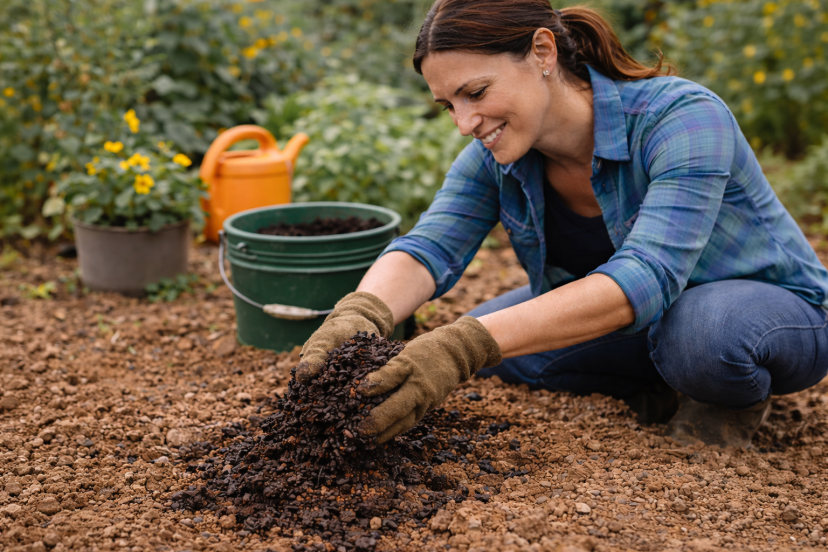
💥 Don’t Fight Clay Soil—Fix It Naturally
If your garden soil feels sticky when wet, rock-hard when dry, and drains poorly after rain, you’re probably dealing with clay soil. For many U.S. homeowners, clay-heavy ground is one of the most frustrating gardening challenges—especially if you’re trying to garden sustainably.
The good news?
You don’t need chemicals, sand dumping, or expensive soil replacements to fix it.
Learning how to improve clay soil naturally allows you to save money, reduce waste, protect soil life, and create a healthier garden that works with nature instead of against it. With the right organic strategies, even tough clay can become rich, workable soil over time.
This guide explains why clay behaves the way it does, the most effective clay soil fixes, and proven organic soil improvement methods you can start using right away.
🌿 What Is Clay Soil And Why Is It So Challenging?
Clay soil is made up of extremely fine mineral particles that pack tightly together. While clay holds nutrients well, it often struggles with airflow, drainage, and root penetration.
🌱 Common Clay Soil Problems
- Poor drainage and standing water
- Compaction that limits root growth
- Cracking when dry
- Slow warming in spring
In many U.S. regions—especially parts of the Midwest, Southeast, and Pacific Northwest—clay soil is very common.
💧 Why Improving Clay Soil Naturally Is Better Than Quick Fixes
Many gardeners try to “fix” clay soil quickly, but some popular methods actually make things worse.
🚫 Clay Soil Fixes To Avoid
- Adding sand without organic matter
- Excessive tilling
- Using synthetic soil conditioners
- Replacing soil entirely
These approaches can damage soil structure, harm microbes, and increase runoff.
✅ Benefits Of Organic Soil Improvement
- Builds long-term soil structure
- Improves drainage gradually
- Supports beneficial organisms
- Reduces erosion and compaction
When you improve clay soil naturally, the results last longer and get better every season.
🌱 Understanding Soil Structure (The Key To Clay Soil Fixes)
The goal isn’t to remove clay—it’s to improve soil structure.
🌿 What Is Good Soil Structure?
- Small clumps (aggregates)
- Space for air and water
- Strong microbial activity
- Stable root pathways
Organic matter acts like glue, binding clay particles into healthier aggregates.
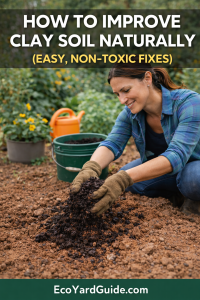
🌿 Step One: Add Organic Matter (The Most Important Fix)
Organic matter is the foundation of every successful clay soil improvement plan.
🌱 Best Organic Materials For Clay Soil
- Compost (finished, mature)
- Leaf mold
- Aged manure
- Garden compost blends
🔧 How To Apply Organic Matter
- Spread 2–4 inches on the soil surface
- Mix lightly into the top 6 inches
- Reapply yearly
This single step dramatically improves soil structure over time.
🌿 Compost: The Ultimate Natural Clay Soil Fix
Compost is one of the most effective ways to improve clay soil naturally.
🌱 Why Compost Works So Well
- Loosens compacted clay
- Improves drainage and aeration
- Adds beneficial microbes
- Balances moisture retention
In the U.S., composting is encouraged by many municipalities as part of waste-reduction programs—making compost both eco-friendly and accessible.
🌱 Step Two: Use Mulch To Protect And Improve Soil
Mulch works with compost to enhance organic soil improvement.
🌿 Best Mulches For Clay Soil
- Shredded leaves
- Wood chips
- Straw
- Bark mulch
💧 Benefits Of Mulching Clay Soil
- Prevents surface compaction
- Reduces evaporation
- Feeds soil organisms
- Protects soil structure
Apply mulch 2–3 inches thick, keeping it away from plant stems.
🌿 Step Three: Plant Cover Crops And Deep-Rooted Plants
Plants are powerful tools for improving clay soil naturally.
🌱 Best Plants For Clay Soil Improvement
- Clover
- Alfalfa
- Daikon radish
- Native grasses
🌿 How Plants Improve Soil Structure
- Roots create air channels
- Organic matter increases when roots decay
- Soil microbes thrive around roots
Cover crops are widely used in U.S. organic farming to improve soil health without chemicals.
🌱 Step Four: Reduce Soil Compaction
Compaction is one of the biggest enemies of clay soil.
🚫 Common Causes Of Compaction
- Walking on wet soil
- Heavy equipment
- Over-tilling
✅ How To Prevent Compaction
- Avoid working the soil when wet
- Use designated garden paths
- Build raised beds where needed
Protecting soil structure is just as important as improving it.
🌿 Step Five: Improve Drainage Without Chemicals
Clay soil often drains slowly—but you can fix this naturally.
💧 Natural Drainage Solutions
- Add organic matter consistently
- Install shallow swales
- Create raised beds
- Use contour planting
These strategies reduce runoff and protect nearby waterways.
🌱 Step Six: Amend Soil Gradually (Not All At Once)
Improving clay soil naturally is a process, not a one-time fix.
🌿 Best Long-Term Strategy
- Add compost annually
- Rotate cover crops
- Maintain mulch year-round
- Test soil every 2–3 years
Over time, soil becomes darker, looser, and easier to work.
🌿 Common Clay Soil Myths (And The Truth)
❌ “Add Sand To Fix Clay.”
Adding sand alone creates concrete-like soil. Organic matter is essential.
❌ “Clay Soil Is Bad Soil.”
Clay soil is nutrient-rich—it just needs better structure.
❌ “You Need Chemicals To Fix Cla.y”
Organic soil improvement is safer, cheaper, and more sustainable.
🌿 Best Plants For Clay Soil While You Improve It
Some plants tolerate clay well and help improve the soil over time.
🌱 Clay-Tolerant Plants
- Coneflower
- Black-eyed Susan
- Switchgrass
- Daylilies
Using the right plants reduces frustration during soil improvement.
☀️ Environmental Benefits Of Improving Clay Soil Naturally
Natural clay soil fixes support eco-living goals.
🌍 Sustainability Benefits
- Reduced fertilizer runoff
- Improved water retention
- Less erosion
- Healthier soil ecosystems
Healthy soil also supports pollinators and native plants.
🔍 When To Consult A Professional
Most clay soil problems can be fixed DIY, but some situations need help.
🔧 Consider Professional Help If:
- Drainage threatens foundations
- Large-scale grading is required
- Soil contamination is suspected
- Local regulations apply
Local extension offices often offer free soil advice in the U.S.
❓ FAQs About Improving Clay Soil Naturally
🌱 How long does it take to improve clay soil naturally?
Noticeable improvements often appear within one season, with major changes in 1–3 years.
💧 Can clay soil ever drain well?
Yes. With organic matter and good structure, clay soil can drain effectively.
🌿 Is gypsum good for clay soil?
Gypsum helps only specific soil types. Compost is more universally effective.
🌱 Should I till clay soil?
Minimal tilling is best. Excessive tilling damages soil structure.
🌿 Can raised beds help with clay soil?
Yes. Raised beds improve drainage while the soil below improves gradually.
☀️ What is the fastest clay soil fix?
Adding compost and mulch together delivers the quickest results.
🌱 Does clay soil hold nutrients well?
Yes. Clay soil is nutrient-rich once the structure improves.
🌟 Conclusion: Transform Clay Soil—One Natural Step At A Time
Clay soil doesn’t need to be replaced—it needs to be rebuilt.
By choosing to improve clay soil naturally, you protect the environment, reduce costs, and create a garden that becomes easier to manage every year. Compost, mulch, plants, and patience work together to transform even the toughest clay into fertile, living soil.
Start small, stay consistent, and let nature do the heavy lifting.
⚠️ Disclaimer
Soil conditions vary by region. Always follow local regulations, HOA guidelines, and safe gardening practices. Consult professionals for drainage, grading, or regulated soil projects.
 Explore more: