How To Create A Pollinator Garden For Beginners That Attracts Bees & Butterflies 🐝 A Simple, Eco-Friendly Way To Boost Backyard Biodiversity
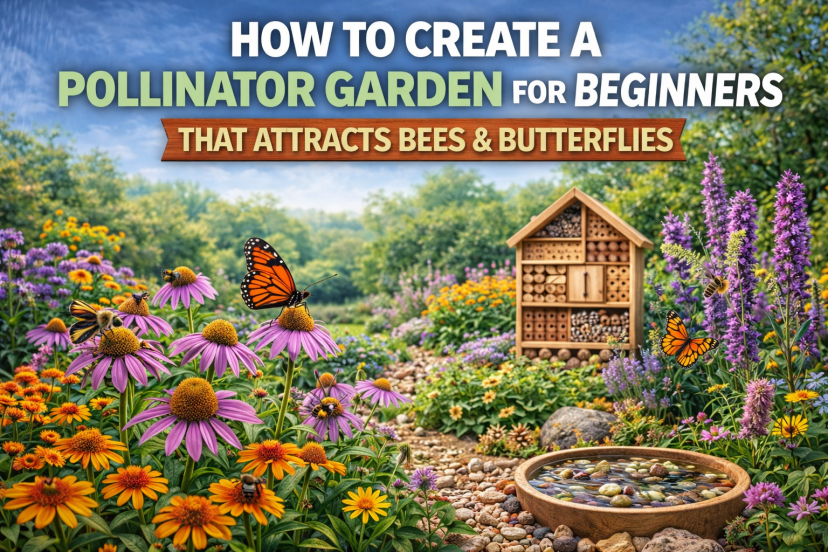
🌿 A Small Garden That Makes A Big Environmental Impact
Across the U.S., bees and butterflies are disappearing at alarming rates due to habitat loss, pesticide use, and climate stress. For eco-conscious homeowners, this can feel overwhelming—but the solution often starts right in your own yard.
Creating a pollinator garden for beginners is one of the easiest and most rewarding ways to support local ecosystems, reduce environmental harm, and enjoy a healthier outdoor space. These gardens don’t require expensive tools or large landscapes. Even small yards, patios, and side gardens can become thriving pollinator havens.
By choosing the right plants and adding simple habitat features, you can build a bee-friendly yard that saves water, reduces chemical use, and brings color, movement, and life back into your outdoor space.
🐝 Why Pollinators Matter More Than Ever
Pollinators are responsible for fertilizing over 75% of flowering plants and about one-third of the food we eat in the U.S. Without them, food systems and ecosystems struggle.
🌱 Key Pollinators You’ll Attract
-
Native bees
-
Honeybees
-
Butterflies
-
Moths
-
Beneficial beetles
A well-designed pollinator habitat helps stabilize local biodiversity while improving your yard’s resilience.
✅ Benefits Of A Pollinator Garden For Beginners
Starting a pollinator garden for beginners offers both environmental and personal benefits.
🌿 Why Homeowners Love Pollinator Gardens
-
Supports declining bee and butterfly populations
-
Reduces lawn maintenance and water use
-
Eliminates the need for chemical pesticides
-
Improves fruit and vegetable yields nearby
-
Adds vibrant color and movement to your yard
Pollinator gardens are also recognized by many U.S. conservation programs and local extension offices as a best practice for sustainable landscaping.
🌱 Choosing The Right Location For Your Pollinator Garden
Location matters more than size when creating a successful pollinator habitat.
☀️ Ideal Garden Conditions
-
At least 6 hours of sunlight daily
-
Protection from strong wind
-
Well-draining soil
-
Easy access for observation and care
Even raised beds or containers can work for a pollinator garden for beginners.
🐝 Best Butterfly Plants And Bee-Friendly Plants By U.S. Region
Using region-appropriate plants increases survival rates and reduces maintenance.
🌼 Northeast & Midwest
-
Purple coneflower
-
Black-eyed Susan
-
Bee balm
-
Milkweed (essential for monarchs)
🌻 Southeast
-
Lantana
-
Coreopsis
-
Blazing star
-
Swamp milkweed
🌵 Southwest & West
-
Penstemon
-
Blanket flower
-
Desert marigold
-
California poppy
These butterfly plants provide nectar and pollen across multiple seasons.
🌿 Native Plants Vs. Non-Native Plants
Native plants are the backbone of any successful bee-friendly yard.
🌱 Why Native Plants Are Better
-
Require less water once established
-
Resist local pests naturally
-
Bloom in sync with native pollinators
-
Support entire life cycles, not just feeding
Mixing natives with well-adapted non-natives adds diversity without harming ecosystems.
🔧 How To Build A Pollinator Garden Step-By-Step
Creating a pollinator garden for beginners doesn’t need to be complicated.
🛠️ Simple DIY Steps
-
Remove turf or weeds naturally (sheet mulching works well)
-
Improve soil with compost
-
Group plants by water and sun needs
-
Plant in clusters (pollinators prefer mass plantings)
-
Mulch lightly to retain moisture
Avoid landscape fabric—it blocks ground-nesting bees.
💧 Water Sources Pollinators Need (And How To Add Them)
Pollinators need water just as much as nectar.
🌿 Easy Water Features
-
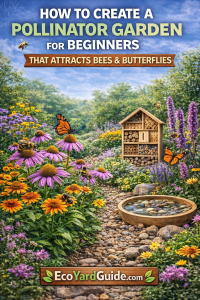
Shallow dishes with stones
-
Birdbaths with landing rocks
-
Small ground-level basins
Change water every few days to prevent mosquitoes and maintain a healthy pollinator habitat.
☀️ Avoiding Pesticides And Chemicals
One of the most important eco lawn tips for pollinator gardens is eliminating chemicals.
❌ Harmful Products To Avoid
-
Neonicotinoid pesticides
-
Broad-spectrum insecticides
-
Synthetic weed killers
✅ Natural Alternatives
-
Hand weeding
-
Companion planting
-
Beneficial insect attraction
Healthy ecosystems self-regulate when given time.
🌱 Creating Shelter And Nesting Areas
Pollinators need places to rest, nest, and overwinter.
🐝 Habitat-Building Ideas
-
Leave some bare soil for ground bees
-
Stack small logs or branches
-
Install bee houses (properly sized holes only)
-
Leave seed heads standing through winter
These features turn your garden into a true pollinator habitat, not just a feeding station.
🌼 Designing For Year-Round Blooms
A successful pollinator garden for beginners provides food from early spring through fall.
🌱 Seasonal Bloom Planning
-
Early spring: Crocus, native wildflowers
-
Summer: Coneflower, milkweed, lavender
-
Fall: Goldenrod, asters, sedum
Continuous blooms keep pollinators returning.
🧑🔧 When To Consult A Professional
Most pollinator gardens are DIY-friendly, but some situations benefit from expert input.
🔍 Consider Professional Help If:
-
You’re redesigning large landscapes
-
Local HOA or city rules apply
-
Drainage or erosion issues exist
-
You want integrated irrigation or rain gardens
A native plant landscaper or eco-contractor can help ensure long-term success.
❓ FAQs About Pollinator Garden for Beginners
🐝 What Is A Pollinator Garden For Beginners?
It’s a simple garden designed with easy plants and habitat features that support bees, butterflies, and other pollinators.
🌱 Do Pollinator Gardens Require A Lot Of Maintenance?
No. Once established, they usually need less water and care than lawns.
🦋 How Big Does A Pollinator Garden Need To Be?
Even a few containers or a 4×4-foot bed can attract pollinators.
🌼 Are Butterfly Plants Safe For Pets?
Some are, some aren’t. Always check plant toxicity if pets roam your yard.
💧 Do Pollinator Gardens Save Water?
Yes. Native and drought-tolerant plants often reduce outdoor water use by 30–50%.
🌿 Can I Add Pollinator Plants To An Existing Lawn?
Absolutely. Border beds and island plantings work well.
☀️ How Long Until I See Bees And Butterflies?
Many gardeners notice activity within weeks of planting.
📌 Conclusion: Grow Beauty, Balance, And Biodiversity At Home
Creating a pollinator garden for beginners is one of the most meaningful, eco-friendly steps a homeowner can take. With thoughtful plant choices, simple habitat features, and chemical-free care, your yard can become a sanctuary for bees and butterflies—and a healthier place for your family too.
Small actions add up. Start with one bed, one plant, or one water dish, and let nature do the rest.
⚠️ Disclaimer
This article is for educational purposes only. Plant performance varies by region, soil type, and climate. Always check local regulations and consult professionals for large landscaping projects.
 Explore more:
- Best Native Plants For My State
- How to Set Up a Rainwater Harvesting System For Your Yard
- Mulching Mistakes That Harm Soil Health