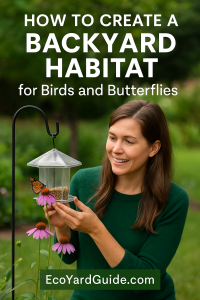
How to Create a Backyard Habitat for Birds and Butterflies
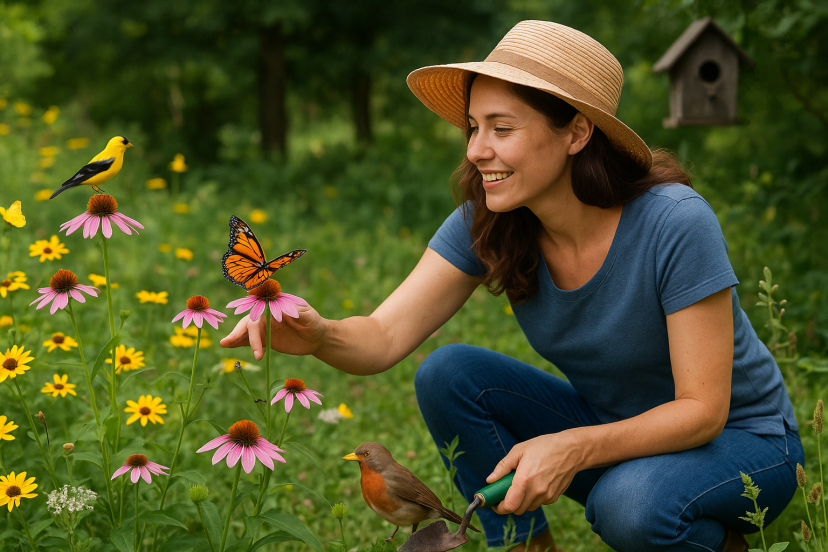
🌸 Turn Your Yard Into a Living Sanctuary
Imagine stepping outside your door to the gentle hum of bees, the flutter of butterflies, and the songs of birds. Your backyard can be more than just grass and fences — it can become a thriving wildlife habitat that supports nature while bringing you peace and beauty every day.
Creating a backyard wildlife habitat is one of the most rewarding DIY projects for eco-conscious homeowners. It helps local ecosystems recover from habitat loss, invites pollinators that boost your garden’s health, and transforms your outdoor space into a living, breathing sanctuary. 🌱
Let’s explore how you can design, plant, and maintain a sustainable backyard ecosystem that welcomes birds, butterflies, and beneficial insects — all while conserving resources and saving money.
🐦 Why Build a Backyard Wildlife Habitat?
Before diving into design, it helps to understand why building a natural ecosystem is so important — not just for your yard but for the planet.
🌍 Environmental Benefits
-
Restores local ecosystems: Supports species like bees, butterflies, and songbirds that are losing natural habitats.
-
Reduces pollution: Less need for fertilizers, pesticides, and mowing = cleaner air and water.
-
Improves soil health: Native plants naturally enrich and stabilize the soil.
-
Encourages biodiversity: A healthy mix of plants attracts a variety of wildlife, keeping pest populations in check.
💧 Homeowner Benefits
-
Lower maintenance: Native plants require less watering and fertilizer.
-
Free pest control: Birds and beneficial insects eat harmful pests.
-
Natural beauty: Every season brings color, sound, and motion.
-
Eco pride: You’re helping protect the environment right in your own backyard.
✅ Bonus Tip: The National Wildlife Federation (NWF) even offers backyard habitat certifications for homeowners who meet specific ecological standards!
🌿 Step 1: Assess Your Yard’s Current Ecosystem
Every good wildlife habitat starts with observation. Spend a few days watching your yard’s sunlight patterns, soil type, and wildlife activity.
🔍 Evaluate Key Factors
-
Sunlight: How much full sun, partial shade, or full shade do you get?
-
Soil: Is it sandy, clay-heavy, or loamy?
-
Moisture levels: Does water pool in spots or drain quickly?
-
Existing vegetation: Identify any native or invasive species.
-
Wildlife activity: Note any birds, bees, or butterflies already visiting.
🌱 Pro Tip: Check your USDA Plant Hardiness Zone (e.g., 6a, 9b) to choose plants that thrive in your area.
🌼 Step 2: Choose Native Plants That Support Local Wildlife
The foundation of any backyard wildlife habitat is native plants — species that naturally grow in your region and have evolved to support local pollinators and birds.
🌺 Why Native Plants Matter
-
They provide food and shelter for butterflies, bees, and birds.
-
Require less water and fertilizer once established.
-
Resist local pests and diseases.
🌸 Native Plant Ideas by U.S. Region
| Region | Native Flowers | Shrubs & Trees | Wildlife Attracted |
|---|---|---|---|
| Northeast | Black-eyed Susan, Milkweed | Serviceberry, Red Maple | Monarch butterflies, Chickadees |
| Midwest | Coneflower, Wild Bergamot | Elderberry, Oak | Goldfinches, Native bees |
| South | Coral Honeysuckle, Aster | Wax Myrtle, Redbud | Hummingbirds, Swallowtails |
| West | California Poppy, Lupine | Manzanita, Toyon | Bees, Hummingbirds, Finches |
✅ Tip: Group similar plants together in clusters — butterflies and bees prefer “buffets” of blooms rather than scattered single flowers.
🦋 Step 3: Add Water Sources for Birds and Pollinators
Water is essential for all forms of wildlife. Including clean, shallow water features encourages daily visitors.
💧 Easy Water Ideas
-
Birdbath: Keep 1–2 inches deep; change water every few days.
-
Solar fountain: Eco-friendly and keeps water fresh.
-
Shallow dish with stones: Ideal for bees and butterflies to perch safely.
-
Mini pond: Add native aquatic plants for frogs and dragonflies.
🌞 Eco Tip: Place water in partial shade to slow evaporation and discourage algae.
🌻 Step 4: Provide Food Sources Year-Round
A true backyard ecosystem offers food during every season.
🐝 Natural Food Sources
-
Spring: Flowering perennials like Milkweed and Phlox.
-
Summer: Berry shrubs (Elderberry, Viburnum).
-
Fall: Seed heads from Coneflowers or Sunflowers.
-
Winter: Evergreen trees and seed-bearing grasses.
🍃 Supplemental Feeders
-
Bird feeders: Use black-oil sunflower seeds or suet cakes.
-
Nectar feeders: Mix 1 part sugar to 4 parts water (no red dye).
-
Butterfly feeders: Soak sponges in fruit juice or sugar water.
🦋 Pro Tip: Avoid feeding bread or salted foods — they can harm wildlife.
🌳 Step 5: Create Shelter and Nesting Areas
Birds and butterflies need safe spaces for nesting and protection from predators.
🏡 Shelter Options
-
Birdhouses: Choose species-specific sizes (e.g., bluebird boxes).
-
Brush piles: Stack twigs, logs, and leaves for small animals.
-
Butterfly houses: Provide vertical slits for resting during bad weather.
-
Native shrubs and evergreens: Offer natural cover year-round.
🌿 Natural Layering Tip: Mimic nature by adding tall trees, mid-height shrubs, and ground plants to create vertical diversity.
🌾 Step 6: Ditch Chemicals and Go Pesticide-Free
One of the best ways to maintain a healthy backyard wildlife habitat is by removing harmful chemicals.
🚫 Avoid:
-
Pesticides — they kill pollinators and soil microbes.
-
Herbicides — they destroy native “weeds” that feed butterflies.
-
Synthetic fertilizers — they create runoff that harms waterways.
✅ Use Instead:
-
Compost and organic mulch.
-
Natural pest controls like ladybugs or neem oil.
-
Native groundcovers to outcompete weeds.
💧 Eco Bonus: A chemical-free yard keeps your soil alive and your pollinators safe.
🌸 Step 7: Maintain a Balanced Ecosystem
Once your habitat is set up, focus on maintaining balance — letting nature do the work for you.
🌿 Do:
-
Leave leaf litter under trees — many butterflies overwinter there.
-
Let seed heads stay through winter for birds.
-
Add compost to build soil fertility.
-
Observe changes season by season — adjust as needed.
❌ Don’t:
-
Over-trim shrubs or mow wildflower zones too early.
-
Remove “dead” logs or snags — they house insects and cavity-nesting birds.
🌻 Remember: A healthy ecosystem looks a little “messy.” That’s what makes it alive!
🪴 Step 8: Add Butterfly and Bird-Friendly Features
Bring your habitat to life with special touches that attract even more wildlife.
🦋 Butterfly Gardens
-
Include nectar plants like Lantana, Zinnia, and Joe Pye Weed.
-
Add host plants for caterpillars (e.g., Milkweed for Monarchs).
-
Provide flat stones for basking in the sun.
🐦 Bird-Friendly Enhancements
-
Install bird baths and feeders at varying heights.
-
Add native trees like Dogwood or Oak for nesting.
-
Use natural fiber nesting materials like dried grass or twine.
🌼 Eco Note: Different bird species prefer different habitats — chickadees love shrubs, while finches favor open areas with wildflowers.
🌿 Step 9: Certify Your Backyard Habitat
You can officially certify your yard as a wildlife habitat through organizations like:
-
National Wildlife Federation (NWF)
-
Audubon Society
-
Pollinator Partnership
These certifications promote awareness, provide signage, and inspire others in your community to create their own eco-friendly spaces.
🌎 It’s not just a badge — it’s a statement of commitment to conservation.
🧰 When to Consult a Professional
While most habitat projects are DIY-friendly, you may need professional help if:
-
You’re installing large water features or ponds.
-
You want to design irrigation systems for drought-tolerant landscaping.
-
You’re unsure about invasive plant removal or soil restoration.
-
You’re building solar-powered pumps or lights to support your eco-setup.
Hiring a certified landscaper or eco-contractor ensures safety, code compliance, and optimal environmental results.
❓ FAQs About Backyard Wildlife Habitats
1. What qualifies as a backyard wildlife habitat?
A yard that provides food, water, shelter, and space for wildlife using sustainable, native landscaping practices.
2. Do I need a big yard to create a habitat?
No — even small urban or suburban yards, balconies, or patios can attract pollinators and birds.
3. Which plants attract the most butterflies?
Milkweed, Coneflower, Lantana, and Joe Pye Weed are top favorites across the U.S.
4. How can I keep squirrels from dominating my bird feeders?
Use baffle guards or squirrel-proof feeders, and avoid placing feeders near trees.
5. What’s the easiest way to start a butterfly garden?
Plant native milkweed and nectar-rich flowers, avoid pesticides, and include shallow water or wet sand patches.
6. How long does it take for wildlife to appear?
Usually, it takes a few weeks to a few months, depending on your local species and planting season.
7. Are bird baths safe in winter?
Yes, but add heated bases or floating heaters to prevent freezing in cold climates.
🌸 Conclusion: Build Beauty and Biodiversity Together
Creating a backyard wildlife habitat is one of the most meaningful ways to live sustainably. You’ll enjoy the joy of nature right outside your window — and give back to your local environment at the same time.
Each plant, bird, and butterfly you attract strengthens the delicate web of life that sustains us all.
🌿 Start small, dream big, and let your yard become a thriving ecosystem where nature and humans coexist in harmony.
⚠️ Disclaimer
Always check local regulations regarding plant species and water features. Avoid introducing non-native or invasive plants. Handle all tools safely and follow eco-friendly landscaping practices.
 Explore more:
- How to Light Up Your Yard With Solar Path Lights
- Best Solar Bird Baths and Features for Eco-Friendly Homes
- Smart Sprinkler Systems That Save Water and Money