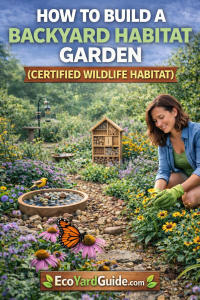
How To Build A Backyard Habitat Garden (Certified Wildlife Habitat) 🦋 Turn Your Yard Into A Thriving Eco Habitat That Supports Local Wildlife
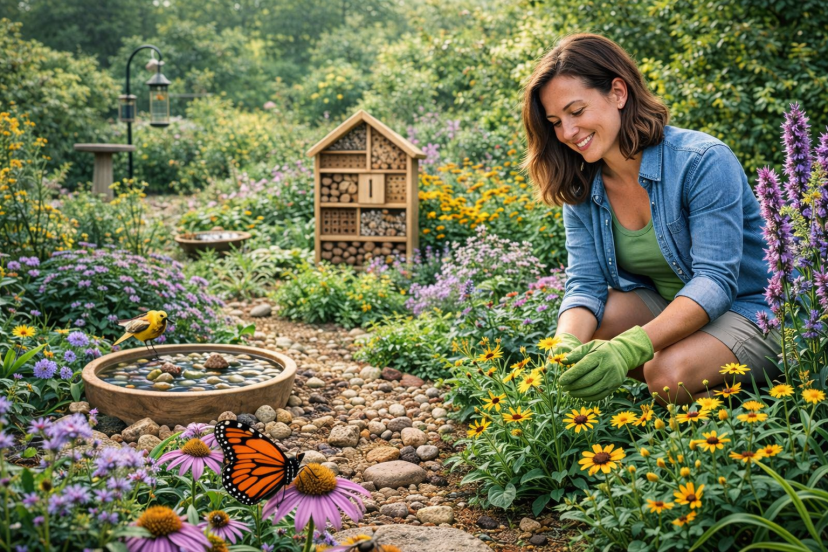
🌿 Your Yard Can Do More Than Just Look Nice
Many eco-conscious homeowners want to save money, reduce waste, and live more sustainably—but aren’t sure where to start. The truth is, one of the most powerful environmental changes you can make begins right outside your door.
A backyard habitat garden transforms a standard lawn into a living ecosystem that supports birds, butterflies, bees, and other wildlife. Even better, with a few intentional steps, your yard can qualify as a Certified Wildlife Habitat through the National Wildlife Federation (NWF).
This guide walks you through exactly how to build a backyard habitat garden, meet certification requirements, and create an eco-friendly outdoor space that benefits both nature and your household.
🐝 What Is A Backyard Habitat Garden?
A backyard habitat garden is a designed outdoor space that provides wildlife with the four essential elements they need to survive:
-
Food
-
Water
-
Cover (shelter)
-
Places to raise young
Unlike decorative gardens, these spaces function as mini ecosystems—supporting biodiversity while reducing reliance on chemicals, excessive watering, and resource-heavy landscaping.
✅ Benefits Of Creating A Wildlife Habitat Yard
Building a wildlife habitat yard offers long-term benefits that go beyond environmental impact.
🌿 Why Homeowners Choose Eco Habitat Gardens
-
Supports declining bird and pollinator populations
-
Reduces water usage and lawn maintenance
-
Lowers the need for pesticides and fertilizers
-
Improves soil health naturally
-
Adds educational and emotional value to your home
Many homeowners also report higher property appeal due to natural, sustainable landscaping trends across the U.S.
🌱 What Is A Certified Wildlife Habitat (NWF)?
The National Wildlife Federation offers a formal certification for yards that meet basic habitat requirements.
✅ NWF Certification Criteria
To certify your backyard habitat garden, your yard must provide:
-
At least 3 food sources
-
At least 1 water source
-
At least 2 places for cover
-
At least 2 places to raise young
-
Sustainable gardening practices
The certification process is affordable, quick, and fully online for U.S. residents.
🥗 Step 1: Provide Natural Food Sources
Food is the foundation of every successful eco-habitat garden.
🌼 Wildlife-Friendly Food Options
-
Native flowering plants
-
Berry-producing shrubs
-
Seed-bearing grasses
-
Nectar plants for pollinators
Avoid processed birdseed blends with fillers. Native plants offer the highest nutritional value and require less water.
💧 Step 2: Add A Clean Water Source
Wildlife needs reliable water year-round, especially during hot U.S. summers.
🌿 Easy Water Features For Habitat Gardens
-
Shallow birdbaths
-
Ground-level dishes with stones
-
Small solar fountains
-
Rain gardens
Refresh water every few days to prevent mosquitoes and maintain a healthy backyard habitat garden.
🌳 Step 3: Create Shelter And Cover
Wildlife needs protection from predators and harsh weather.
🌱 Natural Cover Ideas
-
Dense shrubs and hedges
-
Native trees
-
Brush piles
-
Tall grasses
Leaving some fallen leaves and seed heads through winter is an excellent eco habitat garden practice.
🐣 Step 4: Provide Places To Raise Young
Certification requires safe spaces where wildlife can nest and reproduce.
🏡 Habitat Features That Support Young
-
Birdhouses (properly sized per species)
-
Host plants like milkweed
-
Undisturbed soil for ground-nesting bees
-
Dead trees or logs (if safe)
Avoid frequent pruning during nesting seasons.
☀️ Step 5: Use Sustainable Gardening Practices
NWF certification requires eco-friendly maintenance methods.
🌿 Required Sustainable Practices
-
Eliminate chemical pesticides
-
Compost yard waste
-
Reduce lawn size
-
Use organic mulch
-
Practice water-wise irrigation
These steps lower costs while improving your wildlife habitat yard over time.
🌱 Native Plants: The Backbone Of Eco Habitat Gardens
Native plants evolved alongside local wildlife and provide unmatched ecological value.
🌼 Why Native Plants Matter
-
Require less water once established
-
Support entire food chains
-
Resist local pests naturally
-
Improve soil structure
Most U.S. extension offices offer free native plant lists by state.
🔧 How To Transition From Lawn To Habitat Garden
You don’t need to remove your entire lawn at once.
🛠️ Beginner-Friendly Conversion Steps
-
Start with a border or corner section
-
Sheet-mulch turf instead of digging
-
Add compost and native plants
-
Expand gradually each season
Small steps still qualify for backyard habitat garden certification.
🌎 Regional Habitat Tips For U.S. Yards
🌵 Southwest
-
Focus on drought-tolerant natives
-
Add shade and shallow water dishes
🌧 Southeast
-
Choose moisture-tolerant plants
-
Prioritize mosquito-safe water features
❄️ Northern States
-
Use cold-hardy shrubs
-
Leave winter cover intact
Regional adaptation strengthens your eco-habitat garden.
🧑🔧 When To Consult A Professional
While most habitat gardens are DIY-friendly, expert help can be valuable.
🔍 Seek Professional Help If:
-
You’re redesigning a large landscape
-
Drainage or erosion issues exist
-
HOA or city rules apply
-
You want integrated rainwater systems
A native plant landscaper or eco-contractor can help meet certification standards efficiently.
❓ FAQs About Backyard Habitat Gardens
🌱 What Is A Backyard Habitat Garden?
It’s a yard designed to provide food, water, shelter, and nesting spaces for wildlife using sustainable methods.
🦋 How Big Does My Yard Need To Be?
Any size works—even balconies or small yards can qualify if requirements are met.
🐝 Does A Wildlife Habitat Yard Attract Pests?
Healthy ecosystems balance naturally and often reduce pest problems over time.
💧 Do Habitat Gardens Use Less Water?
Yes. Native plants and mulch often reduce outdoor water use by 30–50%.
🌼 How Long Does Certification Take?
Most homeowners complete certification in under 30 minutes online.
🌳 Can I Certify A Front Yard?
Yes. Front, back, or side yards all qualify.
🏡 Does Certification Increase Property Value?
Sustainable landscaping is increasingly attractive to eco-minded buyers.
🌈 Conclusion: Build A Backyard That Gives Back
Creating a backyard habitat garden is one of the most impactful ways to support wildlife, reduce environmental strain, and live more sustainably—right at home. With thoughtful plant choices, simple habitat features, and eco-friendly care, your yard can become a certified refuge for nature.
You don’t need perfection—just intention. Start small, follow the steps, and let your landscape evolve naturally.
⚠️ Disclaimer
This content is for educational purposes only. Certification requirements, plant success, and regulations vary by region. Always follow local guidelines and consult professionals for large projects.
 Explore more:
- Raised Beds Vs In-Ground Gardens: Which Is Better
- Natural Ways To Improve Yard Drainage
- Low-Maintenance Yard Ideas That Save Time & Water