Drought-Tolerant Plants That Thrive in U.S. Yards 💧 Smart Plant Choices For Water-Wise, Eco-Friendly Landscaping
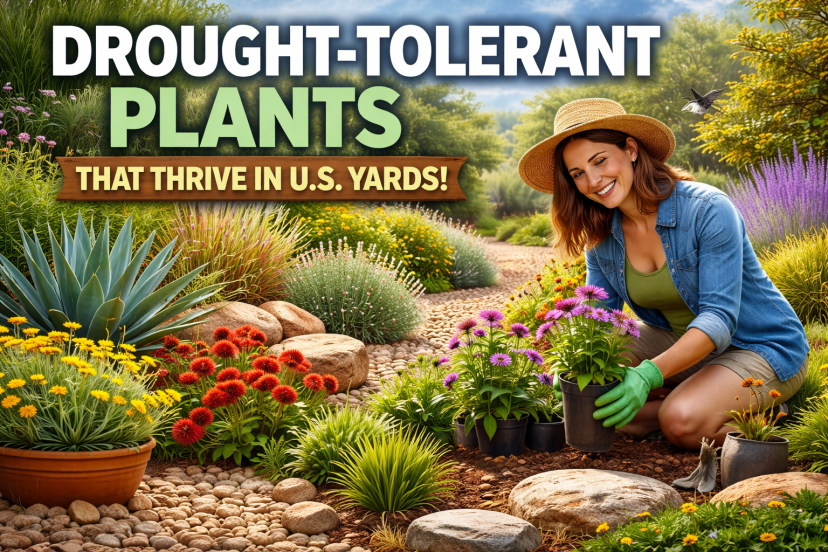
🌿 A Smarter Way To Garden With Less Water
As water costs rise and drought conditions become more common across the United States, many homeowners are rethinking how they landscape their yards. Traditional lawns and thirsty plants often demand constant irrigation, driving up water bills and putting unnecessary strain on local water supplies.
That’s where drought tolerant plants come in.
By choosing plants adapted to low-water conditions, eco-conscious homeowners can create beautiful, resilient yards that require less maintenance, conserve resources, and support sustainable living. Whether you live in the Southwest, Midwest, or Southeast, there are water-wise plants perfectly suited to your climate.
In this guide, you’ll discover how drought-tolerant plants work, why they matter, and which varieties thrive best across different U.S. regions—so you can build a greener yard without wasting water.
💧 What Are Drought Tolerant Plants?
Drought tolerant plants are species that can survive and thrive with minimal watering once established. These plants have evolved special traits that allow them to store water, reduce evaporation, or develop deep root systems that access underground moisture.
🌱 Common Characteristics Of Water-Wise Plants
-
Thick or waxy leaves that reduce moisture loss
-
Deep or extensive root systems
-
Slow growth that conserves energy
-
Natural resistance to heat and dry soil
Many xeriscape plants are native to specific regions, making them especially well-suited for local conditions without extra irrigation.
☀️ Benefits Of Using Drought Tolerant Plants In Your Yard
Switching to low-water landscaping offers more than just environmental benefits—it also saves time and money.
✅ Key Advantages For Homeowners
-
Reduced water bills year-round
-
Less time spent watering and maintaining plants
-
Improved resistance to heat waves and dry seasons
-
Fewer chemicals are needed for plant health
-
Increased property value through sustainable landscaping
In drought-prone states like California, Arizona, and Texas, water-efficient landscaping can also help homeowners comply with local water-use regulations.
🌱 Drought Tolerant Plants For Different U.S. Regions
Not all drought tolerant plants thrive everywhere. Climate, soil type, and seasonal rainfall all matter. Below are regional plant recommendations tailored for U.S. yards.
☀️ Southwest & Desert Regions
Hot summers, low rainfall, and sandy soil define much of the Southwest. Native xeriscape plants excel here.
🌵 Best Low-Water Landscaping Options
-
Agave
-
Yucca
-
Desert marigold
-
Red yucca
-
Penstemon
These water wise plants thrive with occasional deep watering and minimal soil amendments.
🌾 Midwest & Great Plains
The Midwest experiences temperature extremes and moderate rainfall. Drought tolerant plants here must handle both dry summers and cold winters.
🌱 Hardy Plant Choices
-
Purple coneflower
-
Black-eyed Susan
-
Russian sage
-
Little bluestem grass
-
Prairie dropseed
Native prairie plants support pollinators while requiring far less irrigation than turf grass.
🌧 Southeast & Coastal Areas
High humidity and sandy soils dominate the Southeast. Low-water landscaping still works with the right plant choices.
🌿 Water-Efficient Southern Plants
-
Lantana
-
Muhly grass
-
Coreopsis
-
Yarrow
-
Salvia
These drought tolerant plants resist both heat and humidity while maintaining vibrant color.
❄️ Mountain & Northern States
Short growing seasons and rocky soils are common in northern regions. Many water wise plants here are cold-hardy perennials.
🌱 Cold-Resistant Options
-
Sedum
-
Lavender
-
Catmint
-
Ice plant
-
Ornamental grasses
These plants store moisture efficiently and survive winter dormancy with ease.
🔧 How To Design A Low-Water Landscape Step-By-Step
Creating a yard filled with drought tolerant plants doesn’t require professional training—just smart planning.
🛠️ DIY Water-Wise Landscaping Steps
-
Evaluate sunlight, soil type, and drainage
-
Group plants with similar water needs
-
Improve soil with compost to retain moisture
-
Use mulch to reduce evaporation
-
Install drip irrigation or soaker hoses
Designing with zones helps maximize efficiency while keeping plants healthy.
💧 Soil, Mulch, And Irrigation Tips For Success
Even the best xeriscape plants need the right foundation.
🌱 Eco-Friendly Yard Enhancements
-
Organic mulch reduces evaporation by up to 25%
-
Compost improves soil structure and water retention
-
Drip irrigation uses 30–50% less water than sprinklers
-
Rainwater harvesting supports sustainable irrigation
Pairing drought tolerant plants with smart irrigation dramatically increases long-term success.
☀️ Native Plants Vs. Non-Native Water-Wise Plants
Both native and adapted plants can thrive in low-water landscaping, but native species often offer added benefits.
🌿 Why Native Plants Matter
-
Better adapted to the local climate
-
Support birds, bees, and pollinators
-
Require fewer fertilizers and pesticides
-
Reduce overall environmental impact
Combining natives with proven water wise plants creates balance and visual interest.
🌍 Environmental Impact Of Drought Tolerant Landscaping
Replacing traditional lawns with drought tolerant plants has measurable environmental benefits.
✅ Sustainability Advantages
-
Lower strain on municipal water systems
-
Reduced runoff and soil erosion
-
Improved biodiversity
-
Smaller carbon footprint
In many U.S. cities, water-efficient landscaping even qualifies for rebates or tax incentives.
🧑🔧 When To Consult A Professional
While many homeowners can install low-water landscaping themselves, some situations benefit from expert help.
🔍 Seek Professional Guidance If:
-
You’re redesigning large or sloped yards
-
Local water regulations require compliance plans
-
You want integrated irrigation or rainwater systems
-
Soil drainage problems persist
A licensed landscaper or eco-contractor can ensure your design meets local codes and performs efficiently.
❓ FAQs About Drought Tolerant Plants
💧 What Are The Best Drought Tolerant Plants For Beginners?
Easy options include lavender, sedum, yarrow, and ornamental grasses. These plants require minimal care once established.
🌱 Do Drought Tolerant Plants Need Any Water?
Yes, especially during establishment. Once mature, they need far less frequent watering than traditional plants.
☀️ Can Low-Water Landscaping Still Look Lush?
Absolutely. Many water-wise plants offer colorful blooms, texture, and year-round interest.
🌿 Are Xeriscape Plants Only For Desert Areas?
No. Xeriscape plants exist for nearly every U.S. climate when chosen correctly.
💧 How Much Water Can I Save With Drought Tolerant Plants?
Homeowners often reduce outdoor water use by 30–60% after switching to drought-tolerant plants.
🌎 Are Native Plants Always Drought Tolerant?
Not always, but many native species are naturally adapted to local rainfall patterns.
🔧 Is Drip Irrigation Necessary?
While not required, drip irrigation greatly improves efficiency in low-water landscaping systems.
🌱 Conclusion: Build A Resilient Yard That Saves Water And Money
Choosing drought-tolerant plants is one of the smartest ways to create a sustainable, low-maintenance yard in the U.S. By matching plants to your climate, improving soil health, and using efficient watering methods, you can enjoy a thriving landscape that conserves resources year after year.
Water-wise gardening isn’t about sacrifice—it’s about smarter choices that benefit your home, wallet, and the planet.
Start small, plant intentionally, and let your eco-friendly yard grow naturally.
⚠️ Disclaimer
This article is for educational purposes only. Always check local regulations, HOA rules, and climate conditions before making landscaping changes. Consult professionals for large projects or irrigation installations.
 Explore more: