Build a Raised Garden Bed With Recycled Wood: Easy DIY Guide for Sustainable Gardening
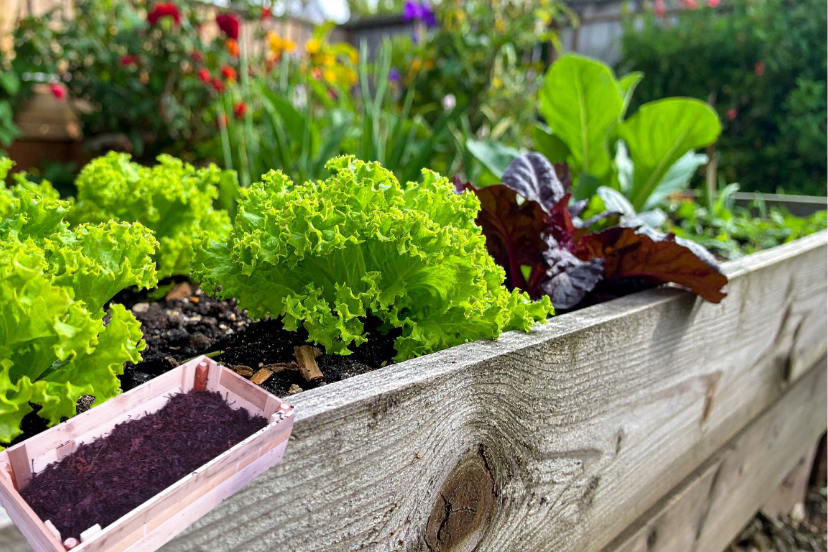
🌿 Introduction: Grow More, Waste Less 🌎
If you’ve ever dreamed of growing your own fresh vegetables or herbs but felt limited by space, soil quality, or cost — you’re not alone. Building a DIY raised garden bed is one of the easiest and most rewarding ways to take control of your garden’s health while staying eco-friendly and on budget.
Instead of buying expensive lumber, you can repurpose recycled wood — such as old pallets, fence boards, or decking — to create a functional, beautiful raised bed. It’s sustainable, cost-effective, and a great way to give new life to old materials while reducing landfill waste.
According to the EPA, over 12 million tons of wood waste end up in U.S. landfills each year. Reusing even a small portion for projects like this helps reduce that number and supports a cleaner, greener planet.
Let’s walk through how to build your own raised garden bed using recycled wood — step by step! 🌿
🪵 Why Choose Recycled Wood for Your Raised Garden Bed
Using recycled wood isn’t just good for the planet — it’s smart for your wallet and your home’s curb appeal.
♻️ 1. Eco-Friendly & Sustainable
Recycled wood keeps materials out of landfills and reduces demand for new lumber. By reusing what you already have, you cut down on deforestation and resource waste.
💰 2. Budget-Friendly
New lumber prices have skyrocketed in recent years. Reclaimed wood is often free or low-cost — think shipping pallets, old barn boards, or leftover deck planks.
🏡 3. Adds Character & Rustic Charm
Recycled wood brings unique grain patterns, color variations, and a weathered look that gives your garden bed personality.
🌱 Tip: Avoid using treated wood older than 2003, as it may contain harmful chemicals (CCA). Opt for untreated, food-safe, or naturally rot-resistant wood like cedar or redwood.
🧰 Materials and Tools You’ll Need
Before you start, gather your materials and tools for an easy, organized build.
Materials:
-
Recycled wood planks or pallet boards (enough for 4 sides)
-
Screws or nails (preferably galvanized or rust-resistant)
-
Corner brackets (optional for extra support)
-
Landscaping fabric or cardboard (for the base)
-
Soil and compost mix
Tools:
-
Saw (circular or hand saw)
-
Power drill or hammer
-
Measuring tape
-
Level
-
Sandpaper or sander
-
Work gloves and safety glasses
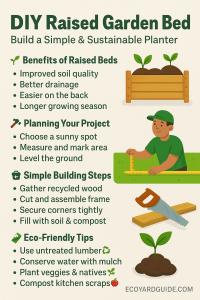
🏗️ Step-by-Step: How to Build a DIY Raised Garden Bed
Let’s get into the fun part! Follow these simple steps to create your own eco-friendly raised garden bed using recycled wood.
🔹 Step 1: Choose the Right Location
Pick a sunny area that gets at least 6–8 hours of sunlight daily. Make sure the ground is level and has good drainage. If your yard slopes, you can level it out using soil or sand.
☀️ Pro Tip: Keep your garden bed close to a water source for easy irrigation.
🔹 Step 2: Measure and Cut Your Wood
Determine your desired bed size — a common dimension is 4 ft x 8 ft and 12–18 inches deep. Measure and cut your recycled boards accordingly.
Sand down rough edges to prevent splinters and make assembly easier.
✏️ DIY Trick: If using pallet wood, remove all nails and check for splits before cutting.
🔹 Step 3: Assemble the Frame
Lay out your cut boards to form a rectangle. Attach the corners using screws or nails.
For added strength, use corner brackets or scrap 2×2” posts inside each corner.
Check that all sides are square using a level. You don’t need to be a pro carpenter — just ensure it’s sturdy and even.
🔹 Step 4: Prepare the Ground
Remove any weeds or grass from the area.
Lay down cardboard or landscaping fabric at the base to prevent weeds from growing into your bed.
This also helps with moisture retention and keeps your garden cleaner.
🔹 Step 5: Fill Your Bed With Soil
Now comes the most rewarding step — filling your bed!
Use a mix of:
-
60% topsoil
-
30% compost
-
10% perlite or coarse sand for drainage
Mix thoroughly for a nutrient-rich base that supports healthy root growth. For even better results, add organic matter like leaf mulch or worm castings.
🔹 Step 6: Start Planting!
Once filled, it’s time to plant your favorite vegetables, herbs, or flowers.
Raised beds are perfect for:
-
Lettuce, spinach, and kale 🥬
-
Tomatoes, peppers, and cucumbers 🍅
-
Herbs like basil, thyme, and rosemary 🌿
-
Pollinator plants such as lavender and marigolds 🌸
You can even add drip irrigation or a small rain barrel for efficient watering!
🌱 Benefits of Building a DIY Raised Garden Bed
A raised garden bed is more than a beautiful feature — it’s a long-term investment in your home’s value and your family’s health.
🌿 1. Better Soil Quality
You control the soil mixture, ensuring it’s rich, loose, and ideal for root growth.
🪴 2. Easier on the Back
Raised beds reduce the need to bend or kneel, making gardening more accessible for all ages.
🐛 3. Fewer Weeds and Pests
The elevated design minimizes weed invasion and discourages ground pests like slugs and snails.
💦 4. Improved Drainage
Perfect for regions prone to heavy rainfall or compacted soil — water drains efficiently while roots stay hydrated.
🌸 5. Year-Round Gardening
Add a cold frame or cover to extend your growing season even in cooler months.
🔋 Eco-Friendly Tips for Building a Raised Garden Bed
To make your DIY raised garden bed even greener, consider these sustainability upgrades:
-
Reuse Pallets or Old Furniture – Repurpose wooden pallets, fencing, or unused furniture panels instead of buying new materials.
-
Use Non-Toxic Sealants – Protect your wood naturally using linseed oil, beeswax, or eco-friendly wood preservatives.
-
Add a Drip Irrigation System – Save water by delivering moisture directly to plant roots.
-
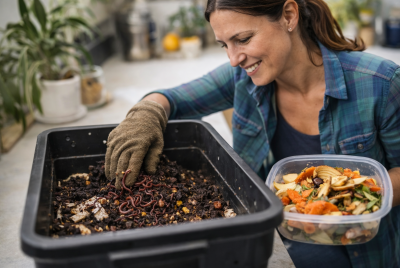
Incorporate Compost – Mix in compost from kitchen scraps for natural fertilization.
-
Plant Native Species – Choose plants adapted to your region’s climate for less maintenance and better biodiversity support.
🏡 How to Maintain Your DIY Raised Garden Bed
To keep your raised bed healthy and long-lasting:
-
Inspect annually for loose screws, rot, or pests.
-
Reapply sealant every 2–3 years for added protection.
-
Top off the soil each season as it settles or decomposes.
-
Rotate crops to maintain soil nutrients and reduce disease.
🌼 Eco Bonus: Add mulch to reduce evaporation and suppress weeds naturally.
🌻 Cost Breakdown: How Affordable Is It?
Building your own DIY raised garden bed with recycled wood can cost as little as $20–$50, depending on what materials you already have.
| Item | Estimated Cost (USD) |
|---|---|
| Recycled wood (pallets, scrap lumber) | Free–$20 |
| Screws or nails | $5–$10 |
| Soil & compost | $15–$25 |
| Landscape fabric | $5–$10 |
| Total | $25–$65 |
Compare that to store-bought raised garden kits that often cost $100 or more — and you’ll see why DIY is the smarter, greener choice!
💬 7 FAQs About DIY Raised Garden Beds
1. What kind of wood should I use for a DIY raised garden bed?
Opt for untreated wood like cedar, redwood, or reclaimed hardwood. Avoid pressure-treated lumber made before 2003 due to potential toxins.
2. How deep should my raised bed be?
For most vegetables, 12–18 inches deep is ideal. Root crops like carrots and potatoes may need a bit more depth.
3. Can I place a raised bed on concrete or a patio?
Yes! Just make sure to include good drainage and line the bottom with fabric or gravel.
4. How long does a raised garden bed last?
Recycled wood beds can last 5–10 years, depending on the wood type and local weather conditions.
5. Do I need to line my raised garden bed?
Yes, lining with cardboard or landscape fabric helps prevent weeds and rot while improving water retention.
6. How do I keep pests out of my raised bed?
Install wire mesh at the base to deter burrowing animals like gophers or moles. You can also use natural repellents such as garlic spray.
7. What’s the best soil mix for raised beds?
Use a blend of topsoil, compost, and perlite for nutrient balance and proper drainage.
🌼 Conclusion: Build a Garden That Gives Back 🌎
Building a DIY raised garden bed with recycled wood is more than a weekend project — it’s a step toward sustainable living. You’ll grow fresh, healthy food, reduce waste, and make your outdoor space more beautiful and productive.
With a few tools, some creativity, and eco-friendly materials, you can turn old wood into a thriving garden that benefits both your family and the planet.
So grab your tools, find that scrap lumber, and start building your green oasis today! 🌱💪
⚠️ Disclaimer:
This content is for informational purposes only. Always ensure recycled materials are safe and untreated before using them in garden or food-growing projects.
 Explore more:
- DIY Rain Barrel
- 5 Energy Efficient Yard Ideas That Boost Curb Appeal
- How to Start Composting at Home