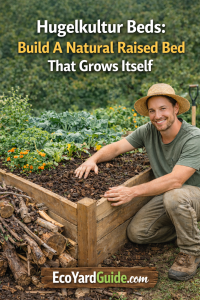
Hugelkultur Beds: Build A Natural Raised Bed That Grows Itself
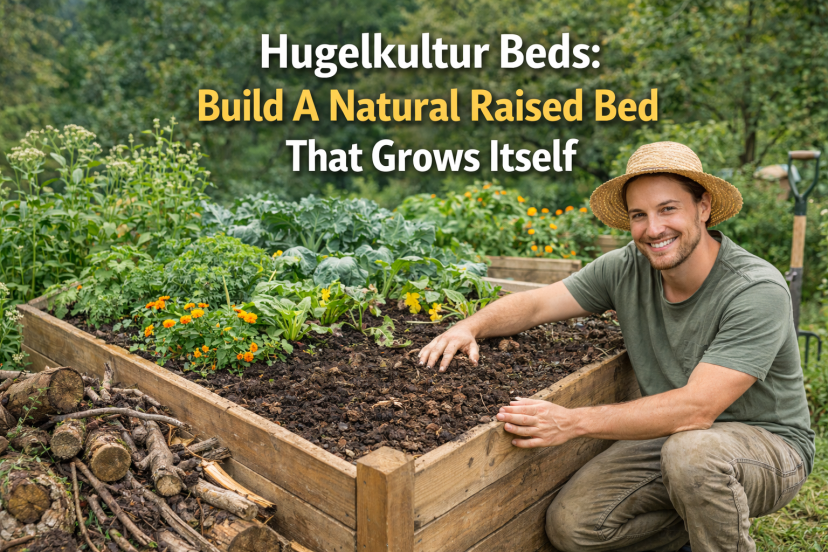
💥 Turn Yard Waste Into Garden Gold
If you’re looking for a way to save money, reduce waste, and garden more sustainably, a hugelkultur raised bed may be one of the smartest projects you can build. Instead of buying lumber, hauling soil, or watering constantly, hugelkultur uses natural materials—especially wood—to create a self-feeding, moisture-holding garden bed.
Rooted in permaculture principles, this method transforms fallen branches, logs, and organic waste into a long-lasting natural garden bed that improves soil year after year. For eco-conscious U.S. homeowners, hugelkultur is a powerful way to garden with nature instead of against it.
This guide walks you through exactly how to build a hugelkultur bed, explains why it works, and shows how to avoid common mistakes—no chemicals required.
🌎 What Is A Hugelkultur Raised Bed?
Hugelkultur (pronounced hoo-gul-culture) is a permaculture technique that builds garden beds around a wood core bed. Large pieces of wood are buried under layers of organic matter and soil.
🌱 How Hugelkultur Works
-
Wood slowly decomposes underground
-
Decaying wood releases nutrients
-
Logs act like sponges, storing water
-
Soil life increases naturally
The result is a permaculture bed that becomes richer and more fertile with time.
🌿 Why Choose Hugelkultur Over Traditional Raised Beds?
A hugelkultur raised bed solves many problems common in modern gardening.
💰 Cost-Saving Benefits
-
Uses free or recycled materials
-
Reduces the need for store-bought soil
-
Requires less watering over time
🌱 Environmental Benefits
-
Diverts wood waste from landfills
-
Builds long-term soil health
-
Reduces fertilizer and water use
🌼 Gardening Benefits
-
Improves soil structure
-
Supports beneficial microbes
-
Extends growing season
If your goal is to build healthy soil naturally, hugelkultur fits perfectly.
🌿 The Science Behind Wood Core Beds
Understanding what happens underground helps you build better beds.

🌱 What Happens As Wood Breaks Down
-
Fungi colonize the wood
-
Microbes convert carbon into humus
-
Nutrients are released slowly
-
Soil structure improves
This slow process mimics how forests build rich soil—making hugelkultur a true natural garden bed system.
🌿 Materials Needed For A Hugelkultur Raised Bed
You don’t need expensive supplies.
🔧 Core Materials
-
Logs or thick branches
-
Smaller sticks and twigs
-
Leaves or straw
-
Compost or topsoil
🌱 Best Types Of Wood
-
Hardwood logs (Oak, Maple, Birch)
-
Untreated fruit tree wood
-
Fallen branches from your yard
❌ Wood To Avoid
-
Pressure-treated lumber
-
Black walnut (Allelopathic)
-
Painted or chemically treated wood
Using safe materials protects soil life and plant health.
🔧 Step-By-Step: How To Build A Hugelkultur Raised Bed
This step-by-step method works for most U.S. climates and backyard sizes.
🌿 Step 1: Choose The Right Location
🌱 Site Selection Tips
-
Full sun for vegetables
-
Slight slope for drainage
-
Away from tree roots
Hugelkultur beds can be built directly on soil or within shallow trenches.
🌿 Step 2: Lay The Wood Core
🔧 How To Build The Base
-
Place large logs at the bottom
-
Stack tightly to reduce air gaps
-
Fill gaps with smaller branches
The wood core bed should make up about 50–60% of the bed’s height.
🌿 Step 3: Add Organic Fill Layers
🌱 Layering Order
-
Twigs and sticks
-
Leaves or straw
-
Grass clippings (Untreated)
These layers help feed microbes and speed decomposition.
🌿 Step 4: Top With Compost And Soil
🌱 Final Soil Layer
-
Add compost-rich soil
-
Cover all the wood completely
-
Shape the bed into a mound
A domed shape improves drainage and root access.

🌿 Step 5: Mulch And Water Thoroughly
💧 Why This Matters
-
Starts microbial activity
-
Prevents erosion
-
Locks in moisture
Water deeply after building to activate the system.
🌿 Step 6: Plant Strategically
🌱 Best First-Year Plants
-
Squash
-
Beans
-
Tomatoes
-
Sunflowers
These plants tolerate shifting soil and benefit from moisture retention.
💧 Why Hugelkultur Beds Use Less Water
Water conservation is one of hugelkultur’s biggest advantages.
💧 Water-Saving Benefits
-
Wood absorbs and stores rainfall
-
Soil stays moist longer
-
Roots access deeper moisture
In drought-prone U.S. regions, hugelkultur beds can reduce watering by 30–50% over time.
🌿 Hugelkultur Vs Traditional Raised Beds
🌱 Key Differences
-
Hugelkultur builds soil long-term
-
Traditional beds require constant inputs
-
Hugelkultur improves humus naturally
For gardeners focused on organic soil health, hugelkultur is the clear winner.
🌎 Climate Considerations In The U.S.
🇺🇸 Cold Climates
-
Beds warm faster in spring
-
Decomposition slows in winter
☀️ Hot Or Dry Climates
-
Excellent moisture retention
-
Deeper beds work best
🌧️ Wet Regions
-
Raised mounds improve drainage
Adjust bed height based on rainfall and soil type.
🔧 Common Hugelkultur Mistakes To Avoid
❌ Frequent Errors
-
Using treated wood
-
Leaving wood exposed
-
Skipping nitrogen-rich layers
-
Planting too densely at first
Avoiding these mistakes ensures long-term success.
🌱 Maintenance Tips For Long-Term Success
🌿 Ongoing Care
-
Add mulch yearly
-
Top-dress with compost
-
Replant cover crops in fall
Hugelkultur beds improve for 5–10 years with minimal maintenance.
☀️ Hugelkultur And Energy-Smart Gardening
🌱 Added Benefits
-
Warmer soil earlier in spring
-
Reduced irrigation energy
-
Healthier plants with fewer inputs
This aligns well with sustainable home and yard goals.
🧑🌾 When To Consult A Professional
Consider professional guidance if:
-
You’re building large-scale beds
-
Soil contamination is suspected
-
Drainage issues are severe
-
Beds integrate with solar or irrigation systems
Local extension services and eco-landscapers can help.
🌿 Hugelkultur Vs Raised Bed Vs In-Ground Gardening
This comparison helps you choose the best garden system based on budget, soil health, water use, and long-term sustainability.

🌱 Quick Comparison Table
| 🌿 Gardening Method | 💰 Cost | 💧 Water Use | 🌱 Soil Health | 🔧 Maintenance | 🕒 Longevity |
|---|---|---|---|---|---|
| Hugelkultur Raised Bed | Low (Uses free materials) | Very Low | Excellent (Builds humus) | Low | 5–10 Years |
| Traditional Raised Bed | Medium–High | Medium | Good (Needs inputs) | Medium | Ongoing |
| In-Ground Gardening | Low | High (Soil-dependent) | Variable | Medium | Long-Term |
🌿 Hugelkultur Gardening (Wood Core Bed)
🌱 What It Is
A raised or mounded permaculture bed built around buried logs and organic matter that slowly decomposes.
✅ Pros
-
Builds healthy soil naturally
-
Excellent water retention
-
Uses recycled wood and yard waste
-
Improves soil structure over time
-
Minimal fertilizer needed
⚠️ Cons
-
Initial setup is labor-intensive
-
Requires access to wood materials
-
Not ideal for shallow-root crops in year one
🏡 Best For
-
Eco-conscious homeowners
-
Drought-prone regions
-
Long-term, low-maintenance gardens
🌿 Traditional Raised Bed Gardening
🌱 What It Is
A framed bed filled with imported soil or compost blends, usually built with wood or metal.
✅ Pros
-
Fast setup and clean appearance
-
Great for poor native soil
-
Easy weed control
-
Good drainage
⚠️ Cons
-
Higher upfront cost
-
Requires ongoing soil amendments
-
Dries out faster than hugelkultur
-
Wood frames may rot over time
🏡 Best For
-
Urban and suburban yards
-
Beginners wanting quick results
-
HOA-friendly garden layouts
🌿 In-Ground Gardening
🌱 What It Is
Plants are grown directly in existing native soil with minimal construction.
✅ Pros
-
Lowest upfront cost
-
No building materials needed
-
Deep root access
-
Works well with healthy native soil
⚠️ Cons
-
Soil quality varies widely
-
More weeds and compaction
-
Often requires fertilizers or amendments
-
Drainage issues in clay-heavy soils
🏡 Best For
-
Large yards or rural areas
-
Gardeners with good soil already
-
Long-term soil improvement projects
💧 Water Efficiency Comparison
Hugelkultur
-
Logs act as water sponges
-
Reduces irrigation needs by up to 50%
-
Ideal for dry climates
Raised Beds
-
Drain quickly
-
Require frequent watering
-
Benefit from drip irrigation
In-Ground Beds
-
Water needs depend on soil type
-
Clay holds water, sand drains fast
🌱 Soil Health And Organic Matter
Hugelkultur
-
Builds humus naturally
-
Supports fungi and microbes
-
Improves soil every year
Raised Beds
-
Soil health depends on added compost
-
Needs regular replenishment
In-Ground Gardening
-
Can improve soil long-term
-
Requires patience and consistent organic inputs
🔧 Maintenance Requirements
Hugelkultur
-
Annual mulching
-
Occasional compost top-dressing
-
Minimal long-term work
Raised Beds
-
Soil replacement over time
-
Frame repairs or replacement
-
Regular feeding
In-Ground Gardening
-
Weed management
-
Soil loosening and mulching
-
Ongoing improvement efforts
☀️ Climate Suitability (U.S.)
Hugelkultur
-
Excellent for drought-prone regions
-
Warms faster in spring
-
Handles temperature swings well
Raised Beds
-
Great for cold climates
-
Soil warms quickly
-
Requires winter protection
In-Ground Gardening
-
Best where the native soil is healthy
-
Sensitive to flooding or compaction
🌿 Which Gardening Method Is Best For You?
🧩 Choose Hugelkultur If:
-
You want to build healthy soil naturally
-
Water conservation is a priority
-
You prefer long-term sustainability
⭐ Choose Raised Beds If:
-
You want fast, controlled results
-
Space is limited
-
You prefer a tidy, structured look
🌟 Choose In-Ground Gardening If:
-
Your soil is already fertile
-
You have plenty of space
-
You want the lowest upfront cost
📌 Final Takeaway
There is no single “best” gardening method—only the one that best fits your soil, climate, budget, and sustainability goals.
For Eco Yard Guide readers focused on organic soil health, water savings, and permaculture principles, hugelkultur raised beds offer the most long-term benefits with the least environmental impact.
❓ FAQs About Hugelkultur Raised Beds
🌱 What Is A Hugelkultur Raised Bed Best For?
Vegetables, flowers, and permaculture gardens benefit most.
🌿 How Long Does Hugelkultur Last?
Most beds remain productive for 5–10 years.
💧 Do Hugelkultur Beds Need Less Water?
Yes. The wood core bed holds moisture efficiently.

🌳 Can I Build Hugelkultur In A Small Yard?
Yes. Mini hugelkultur beds work well in compact spaces.
🌱 Will The Wood Steal Nitrogen?
Only briefly. Adding compost balances nitrogen naturally.
🌿 Is Hugelkultur Organic?
Yes, when built with untreated natural materials.
🔧 Can I Build Hugelkultur Without Digging?
Yes. Above-ground hugelkultur beds are very effective.
🌿 Conclusion: Build Once, Grow For Years
A hugelkultur raised bed is more than a garden project—it’s an investment in long-term soil health, water conservation, and sustainable living. By turning waste wood into a productive permaculture bed, you reduce costs, improve yields, and work in harmony with nature.
If you want a garden that gets better every year with less effort, hugelkultur is one of the most rewarding methods you can try.
⚠️ Disclaimer
DIY garden projects involve physical labor and regional considerations. Always follow local regulations, safety practices, and soil guidelines when building raised beds.
 Explore more:

- How to Start a Native Plant Garden
- How To Build A Backyard Habitat Garden
- Low-Maintenance Yard Ideas That Save Time & Water