How To Build Healthy Garden Soil Naturally (Without Chemicals)
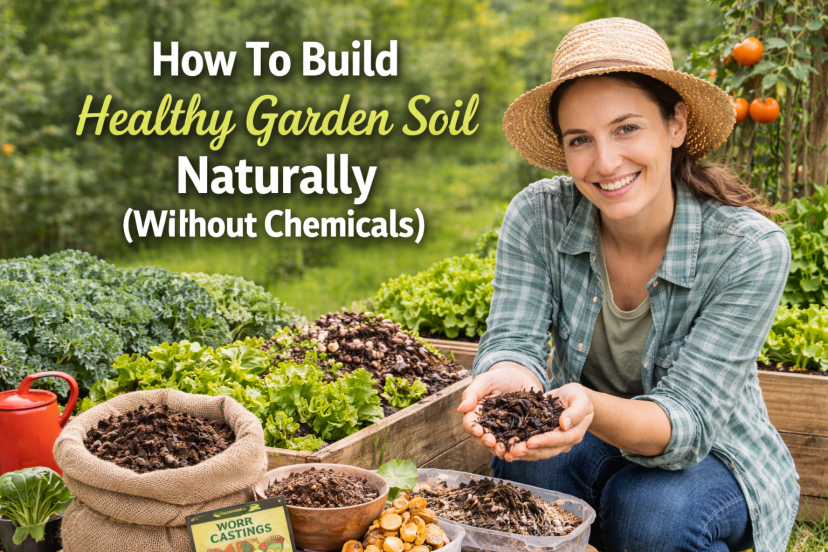
🌱 Healthy Soil Is The Foundation Of A Thriving Garden
If you want a healthier garden, lower costs, and a more sustainable yard, everything starts below the surface. Many eco-conscious homeowners are discovering that you don’t need synthetic fertilizers or harsh chemicals to grow strong plants. In fact, those shortcuts often damage long-term soil health.
Learning how to build healthy soil naturally helps you save money, reduce waste, protect waterways, and grow more resilient plants year after year. Whether you’re planting vegetables, flowers, or native landscaping, rich soil is your most powerful tool.
This guide walks you through a 6-step soil building program designed for U.S. gardeners who want better results the natural way.
🌎 Why Healthy Soil Matters More Than Fertilizer
Soil is a living system, not just dirt. When soil life is damaged, plants struggle—even with added nutrients.
🌱 Benefits Of Organic Soil Health
-
Improves nutrient availability naturally
-
Supports beneficial microbes and fungi
-
Reduces plant disease and pests
-
Increases drought resistance
When you build healthy soil naturally, plants become stronger with less intervention.
🌿 What Damages Soil Health Over Time?
Many common lawn and garden practices slowly degrade soil.
❌ Common Soil Problems
-
Overuse of chemical fertilizers
-
Frequent tilling and soil disturbance
-
Compacted soil from foot traffic
-
Removal of organic matter
These issues break down soil structure and reduce humus, leaving plants dependent on constant inputs.
🌱 The 6-Step Program To Build Healthy Soil Naturally
This simple framework works for vegetable gardens, flower beds, lawns, and native landscapes.

🌿 Step 1: Feed The Soil, Not The Plants
Healthy soil feeds plants automatically.
🌱 Why This Matters
-
Microbes convert organic matter into nutrients
-
Roots absorb nutrients gradually
-
Plants grow stronger and more balanced
✅ How To Do It
-
Add compost instead of synthetic fertilizer
-
Use leaf mold or aged manure
-
Top-dress soil rather than digging deeply
This approach improves organic soil health while protecting soil structure.
🌿 Step 2: Add Organic Matter Regularly
Organic matter is the backbone of fertile soil.
🌱 Best Sources Of Organic Matter
-
Finished compost
-
Shredded leaves
-
Grass clippings (Untreated)
-
Worm castings
🌿 Why Organic Matter Works
-
Builds humus over time
-
Improves water retention
-
Feeds beneficial microbes
Adding organic matter is one of the fastest ways to build healthy soil naturally.
🌿 Step 3: Protect Soil Structure
Soil structure determines how well roots grow and how water moves.
🌱 Signs Of Good Soil Structure
-
Crumbly texture
-
Visible earthworms
-
Good drainage without drying out
🔧 How To Improve Soil Structure
-
Avoid unnecessary tilling
-
Use garden paths to reduce compaction
-
Add compost instead of digging
Healthy soil structure allows air, water, and roots to move freely.
🌿 Step 4: Mulch To Mimic Nature
Bare soil is vulnerable soil.
🌱 Benefits Of Mulching
-
Reduces moisture loss
-
Prevents erosion
-
Feeds soil organisms
🌿 Eco-Friendly Mulch Options
-
Shredded leaves
-
Straw
-
Wood chips (Untreated)
-
Pine needles
Apply mulch 2–4 inches deep, keeping it slightly away from plant stems.

🌿 Step 5: Encourage Soil Life
Living soil is productive soil.
🌱 Beneficial Soil Organisms
-
Bacteria
-
Fungi
-
Earthworms
-
Nematodes
These organisms convert organic matter into plant-available nutrients and help form humus.
✅ How To Support Soil Life
-
Avoid chemical pesticides
-
Add compost and mulch
-
Keep soil consistently moist
Healthy microbial activity is essential for naturally building healthy soil.
🌿 Step 6: Grow Plants That Improve Soil
Some plants actively rebuild soil while they grow.
🌱 Soil-Building Plants
-
Clover
-
Peas and beans
-
Native grasses
-
Cover crops
🌿 Why They Help
-
Add organic matter through the roots
-
Improve soil structure
-
Increase microbial diversity
Using plants as tools is a low-cost, natural way to restore soil health.
💧 Water Smart For Better Soil Health
Overwatering and underwatering both harm the soil.
💧 Watering Best Practices
-
Water deeply, less often
-
Use drip irrigation when possible
-
Improve soil organic matter for retention
Healthy soil with high humus content holds water more efficiently—important in drought-prone U.S. regions.
☀️ Build Healthy Soil Naturally While Saving Energy
Soil health and energy efficiency are connected.
☀️ Smart Soil Strategies
-
Healthy soil reduces irrigation needs
-
Mulched soil stays cooler in summer
-
Strong plants need fewer inputs
These benefits support broader sustainability goals around water and energy use.
🌎 U.S.-Specific Soil Considerations
🇺🇸 Regional Soil Challenges
-
Clay-heavy soils in the Midwest
-
Sandy soils in coastal areas
-
Compacted urban soils
🌱 Practical Adjustments
-
Add organic matter gradually
-
Focus on soil structure, not quick fixes
-
Use local compost sources when possible
Many U.S. extension services offer free soil testing to guide improvements.
🔧 Common Mistakes To Avoid
❌ Soil-Building Mistakes
-
Adding synthetic fertilizer too often
-
Leaving soil bare
-
Over-tilling garden beds
-
Ignoring compaction
Avoiding these mistakes protects long-term organic soil health.
🌱 Soil Amendment Comparison Chart (Organic Options)
| 🌿 Soil Amendment | 🔧 Primary Purpose | 🌱 Benefits | ⚠️ Watch Outs | 🏡 Best Used For |
|---|---|---|---|---|
| Compost | Overall soil improvement | Improves organic soil health, boosts microbes, builds humus | Poor-quality compost may contain weed seeds | All garden beds, lawns, raised beds |
| Worm Castings | Gentle nutrient boost | Rich in beneficial microbes, improves soil structure, safe for all plants | Expensive in large quantities | Houseplants, seedlings, vegetables |
| Leaf Mold | Moisture retention | Improves soil structure, increases humus, free resource | Slow to break down | Clay soils, woodland gardens |
| Aged Manure | Nutrient enrichment | Adds nitrogen and organic matter | Must be fully aged to avoid burning plants | Vegetable gardens, fruit trees |
| Grass Clippings (Untreated) | Quick organic matter | Adds nitrogen, feeds microbes | Can mat if applied too thick | Compost piles, mulch layers |
| Wood Chips | Long-term soil building | Improves soil structure, suppresses weeds | Ties up nitrogen if mixed into soil | Pathways, around trees and shrubs |
| Straw | Mulching and protection | Reduces erosion, retains moisture | May contain weed seeds | Vegetable beds, winter protection |
| Cover Crops | Living soil builder | Improves soil structure, prevents erosion, feeds microbes | Requires planning and timing | Large beds, seasonal soil recovery |
| Biochar | Long-term soil stability | Improves nutrient retention, supports microbes | Needs compost charging before use | Poor or sandy soils |
| Coconut Coir | Water retention | Improves soil aeration, renewable | No nutrients on its own | Raised beds, container gardens |
🌿 How To Choose The Right Soil Amendment
Use this quick guide to match amendments to your soil needs:

🌱 If Your Soil Is Compacted
-
Compost
-
Leaf mold
-
Cover crops
💧 If Your Soil Dries Out Quickly
-
Compost
-
Coconut coir
-
Leaf mold
🌿 If You Want To Build Humus
-
Compost
-
Leaf mold
-
Worm castings
🌱 If You Want Fast Results
-
Worm castings
-
Aged manure
-
Compost
✅ Best Practices For Using Soil Amendments
-
Apply organic matter gradually
-
Combine amendments for balanced results
-
Top-dress instead of deep digging
-
Protect the soil with mulch after application
These strategies help you build healthy soil naturally without disrupting soil life.
⚠️ Common Mistakes To Avoid
-
Using fresh manure directly on plants
-
Overloading soil with one amendment
-
Ignoring soil structure and compaction
-
Expecting instant results
Healthy soil improvement is a process, not a one-time fix.
🧑🌾 When To Consult A Professional
Consider professional help if:
-
Soil contamination is suspected
-
Severe drainage issues persist
-
Large-scale landscape redesign is planned
-
Soil improvements must align with solar or irrigation projects
Local extension agents, landscapers, or eco-contractors can provide site-specific guidance.
❓ FAQs About Building Healthy Soil Naturally
🌱 How Long Does It Take To Improve Soil Naturally?
Noticeable improvements often appear within one growing season, with major gains in 1–3 years.
🌿 Is Compost Better Than Fertilizer?
Yes. Compost improves soil structure, organic matter, and humus—not just nutrients.
💧 Can Healthy Soil Reduce Water Use?
Yes. Soil rich in organic matter holds water longer and reduces runoff.
🌼 Does Mulch Improve Soil Over Time?
Absolutely. Mulch breaks down into organic matter and feeds soil organisms.

🌱 What Is Humus And Why Is It Important?
Humus is stable organic matter that improves nutrient retention and soil structure.
🌿 Can I Build Healthy Soil In Raised Beds?
Yes. Raised beds respond especially well to compost and mulch.
🔧 Do I Need To Till At All?
In most cases, no. Minimal disturbance preserves soil structure and microbes.
🌿 Conclusion: Healthy Soil Is A Long-Term Investment
Learning how to build healthy soil naturally is one of the most powerful steps you can take toward a sustainable, low-maintenance garden. By following this 6-step program, you improve organic soil health, protect soil structure, and build humus that benefits plants for years to come.
Healthy soil rewards patience. Every layer of compost, every inch of mulch, and every living root makes your garden stronger, more resilient, and more eco-friendly.
⚠️ Disclaimer
DIY soil improvement involves physical labor and regional considerations. Always follow local guidelines, safety practices, and soil testing recommendations before making major changes.
 Explore more:
- How To Improve Clay Soil Naturally
- Vermicomposting 101: Worm Composting For Beginners
- Rainwater Harvesting For Beginners