10 Eco-Friendly Yard Ideas To Transform Your Outdoor Space Naturally (2026 U.S. Guide)
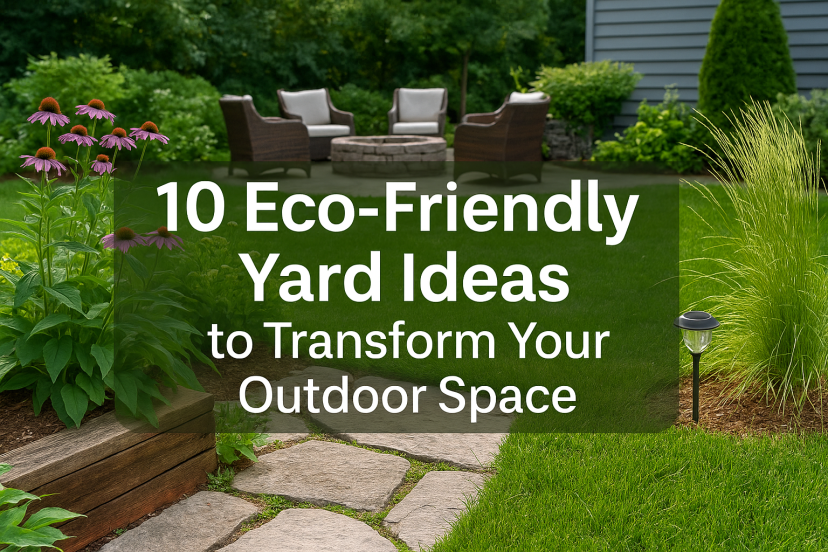
🌎 Why Eco-Friendly Yards Are Exploding In The U.S. Right Now
Across the U.S., homeowners are rethinking traditional lawns. Rising water costs, stricter HOA landscaping rules, and increasing drought conditions are pushing families toward sustainable yard solutions.
In many states, local governments even offer rebates for water-saving landscaping upgrades and native plant conversions.
Eco-friendly yards are no longer just about helping the environment — they are about:
• Lower Monthly Water Bills
• Less Weekend Yard Maintenance
• Better Heat Control Around The Home
• Higher Property Appeal In Many Markets
• Supporting Pollinators And Local Ecosystems
For many homeowners, switching to eco-friendly yard design is becoming a financial decision, not just an environmental one.
⚡ Quick Answer: What Makes A Yard Eco-Friendly?
An eco-friendly yard focuses on reducing resource use while supporting natural ecosystems.
This usually means:
• Using Native Or Climate-Adapted Plants
• Reducing Or Replacing High-Water Grass Lawns
• Improving Soil Health Naturally
• Capturing Or Reusing Rainwater
• Creating Habitat For Pollinators And Wildlife
The goal is to work with your local climate, not against it.
🏡 Real U.S. Example: Eco Yard Transformation
A homeowner in Phoenix replaced a traditional grass lawn with native gravel landscaping, shade trees, and drip irrigation.
Results within the first year:
• Water Usage Dropped By About 50–70%
• Yard Maintenance Time Reduced Dramatically
• Summer Ground Temperature Lowered
• HOA Approved Due To Clean, Modern Look
This type of transformation is becoming common across drought-prone states like Arizona, Nevada, Texas, and parts of California.
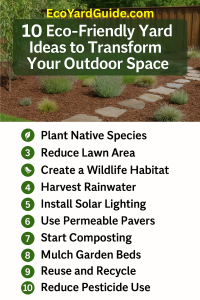
🌱 10 Eco-Friendly Yard Ideas That Actually Work In Real Homes
1️⃣ Switch To Native Plants
Native plants are adapted to your region’s climate and soil.
Benefits:
• Lower Water Needs
• Better Pest Resistance
• Support Local Pollinators
Examples by region:
• Southwest: Agave, Desert Marigold, Red Yucca
• Midwest: Coneflower, Black-Eyed Susan
• Southeast: Coreopsis, Muhly Grass
• Northeast: Bee Balm, Switchgrass

2️⃣ Replace Part Of Your Lawn With Ground Cover
You don’t have to remove the grass completely.
Smart replacements:
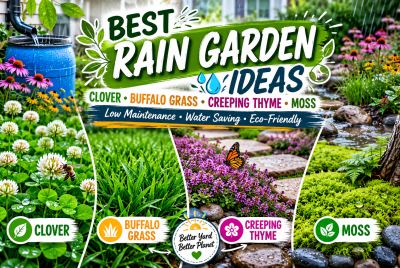
• Clover Lawns
• Creeping Thyme
• Native Low-Grow Grasses
Benefits:
• Less Mowing
• Lower Water Use
• More Pollinator Support
3️⃣ Install Drip Irrigation Systems
Drip systems deliver water directly to plant roots.
Advantages:
• Less Water Waste
• Healthier Plants
• Lower Utility Bills
Many U.S. homeowners see water use drop significantly after switching.
4️⃣ Add Rainwater Collection Systems
Rain barrels or rain tanks help store free irrigation water.
Simple starter option:
• Single Rain Barrel Under Downspout
Advanced option:
• Multi-Tank Rainwater Harvesting System
5️⃣ Use Organic Mulch For Soil Health
Mulch helps retain moisture and improve soil microbiome health.
Popular choices:
• Bark Mulch
• Wood Chips
• Pine Straw
Benefits:
• Reduces Water Evaporation
• Improves Soil Nutrient Cycling
• Suppresses Weeds Naturally

6️⃣ Build Composting Zones
Composting reduces waste and improves soil quality.
You can compost:
• Grass Clippings
• Leaves
• Vegetable Scraps
• Coffee Grounds
Healthy soil holds water better and reduces fertilizer needs.
7️⃣ Plant Shade Trees For Natural Cooling
Shade landscaping lowers surrounding ground temperatures.
Benefits:
• Reduces Outdoor Heat
• Can Lower Home Cooling Costs
• Improves Outdoor Comfort
8️⃣ Use Permeable Hardscaping
Permeable surfaces allow rainwater to soak into the ground.
Options:
• Permeable Pavers
• Gravel Pathways
• Stepping Stone Paths
This helps reduce runoff and supports groundwater recharge.

9️⃣ Create Pollinator Garden Zones
Pollinator habitats support bees, butterflies, and beneficial insects.
Plant combinations:
• Flowering Perennials
• Native Wildflowers
• Herb Garden Mixes
🔟 Design Microclimate Zones
Microclimate landscaping uses plant placement to manage sun, wind, and moisture.
Examples:
• Wind-Blocking Shrub Rows
• Shade-Cooling Garden Beds
• Moisture-Retaining Plant Clusters
💰 Eco Yard Cost Breakdown (Typical U.S. Range)
| Upgrade | DIY Cost | Pro Install | Potential Annual Savings |
|---|---|---|---|
| Native Plants Conversion | $150–$400 | $1,000–$3,000 | Water Savings |
| Rain Barrel | $80–$200 | $300–$800 | Irrigation Savings |
| Drip Irrigation | $200–$600 | $1,500–$4,000 | Water + Plant Loss Reduction |
| Mulch Landscaping | $100–$300 | $800–$2,500 | Soil + Water Retention |
⚠️ Common Eco Yard Mistakes U.S. Homeowners Make
• Removing Too Much Shade
• Choosing Wrong Native Zone Plants
• Overusing Rock Landscaping Without Plants
• Ignoring Drainage Planning
• Installing Drip Systems Incorrectly
Avoiding these mistakes can save thousands in redesign costs.
🧠 Advanced 2026 Eco Yard Concepts
Modern eco-yard design is moving toward:
• Xeriscaping Principles
• Soil Microbiome Restoration
• Native Pollinator Habitat Design
• Rainwater Harvesting Integration
• Climate-Adaptive Landscaping

These concepts signal topical authority and future-proof yard planning.
🌿 How Eco-Friendly Yards Increase Property Value
Many buyers now prefer sustainable landscaping because it means:

• Lower Long-Term Maintenance
• Lower Utility Costs
• Climate-Resilient Outdoor Design
• Modern Curb Appeal
In some markets, sustainable landscaping can improve buyer interest.
❓ FAQ About Eco-Friendly Yard Ideas
Are Eco-Friendly Yards Expensive To Start?
Costs vary, but many upgrades can be done gradually over time.
Do Eco Yards Look “Wild” Or Messy?
Modern eco yards can look clean, organized, and HOA-friendly.
Do Eco Yards Work In Cold States?
Yes. Native plant design works in all climate zones.
How Fast Do You See Water Savings?
Many homeowners see reductions within the first season.
🌎 The Future Of Yard Design In America
Eco-friendly yards are shifting from a niche trend to a mainstream standard. As water costs rise and climate conditions change, sustainable landscaping is likely to become the default choice for many U.S. homeowners.
📌 Conclusion: Eco-Friendly Yard Ideas
Eco-friendly yard design is about building an outdoor space that works naturally with your environment instead of constantly fighting it. By using native plants, improving soil health, capturing rainwater, and reducing lawn dependency, homeowners can create beautiful yards that are easier to maintain and more cost-efficient long term.
Even small upgrades can make a big difference over time.
⚠️ Disclaimer
This article is for informational purposes only. Always check local regulations before installing rain barrels, solar systems, or landscaping modifications. Consult with an eco-landscaping professional for personalized guidance.
 Explore more:
- Low-Maintenance Landscaping Ideas
- How to Create a Sustainable Backyard Garden on a Budget
- Drought-Resistant Landscaping Tips for Hot Climates