How to Set Up a Rainwater Harvesting System For Your Yard (Beginner-Friendly Guide)
💧 Why More Homeowners Are Turning To Rainwater Harvesting
If you’re an eco-conscious homeowner, chances are you’ve thought about saving water, lowering utility bills, and reducing waste — without sacrificing a healthy, beautiful yard. That’s exactly why rainwater harvesting for yard use has become one of the most popular sustainable upgrades in the U.S.
Every time it rains, thousands of gallons of free water run off rooftops and into storm drains. With a simple system, that water can instead nourish your garden, reduce strain on municipal water supplies, and make your outdoor space more resilient during dry seasons.
The good news? You don’t need advanced plumbing skills or expensive equipment to get started. This beginner-friendly guide walks you through easy, affordable, and eco-smart ways to collect and reuse rainwater safely and effectively.
🌧️ What Is Rainwater Harvesting For Yard Use?
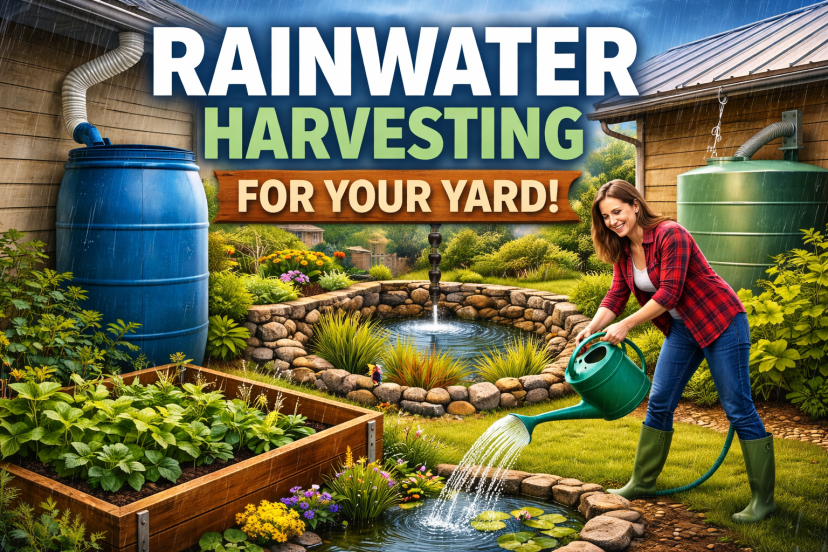
Rainwater harvesting for yard systems captures rain from your roof and stores it for later use in gardening and outdoor irrigation.
How It Works At A Basic Level
-
Rain falls on your roof
-
Gutters channel water to a downspout
-
Water flows into a rain barrel or storage tank
-
Stored water is used for garden irrigation
This simple form of stormwater collection reduces runoff, conserves treated drinking water, and supports sustainable landscaping.
🌎 Why Rainwater Harvesting Matters For U.S. Homeowners
Across the U.S., drought conditions and rising water costs are pushing homeowners to rethink outdoor water use. Rainwater harvesting for yard systems offers both environmental and financial benefits.
Key Benefits
-
Lower Water Bills: Reduce reliance on municipal water
-
Healthier Plants: Rainwater is naturally chlorine-free
-
Less Runoff: Prevents erosion and nutrient pollution
-
Drought Resilience: Keeps gardens thriving during restrictions
-
Eco-Friendly Living: Supports local water conservation goals
Many states actively promote water-saving practices, especially in areas like California, Texas, Arizona, and Colorado.
☀️ Is Rainwater Harvesting Legal In The U.S.?
Before installing a rainwater harvesting system for the yard, it’s important to understand local regulations.
General U.S. Guidelines
-
Most States Allow It: Rain barrels are legal in most areas
-
Some Offer Rebates: Water districts may provide incentives
-
Permits May Apply: Larger systems sometimes require approval
-
HOA Rules: Check neighborhood guidelines
States like Colorado now fully allow residential rainwater collection, while others offer tax credits or rebate programs for approved systems.
🔧 Types Of Rainwater Harvesting Systems For Yards
Not all systems are created equal. The best option depends on yard size, budget, and gardening needs.
💧 Rain Barrels (Best For Beginners)
Rain barrels are the easiest entry point into rainwater harvesting for yard use.
Features
-
Capacity: Typically 50–80 gallons
-
Cost: $50–$150
-
Installation: 1–2 hours
-
Best For: Small gardens and lawns
Pros
-
Simple setup
-
Affordable
-
HOA-friendly
Cons
-
Limited storage
-
Manual watering
🌱 Above-Ground Storage Tanks
Larger tanks store more water and support extended dry periods.
Ideal Uses
-
Raised bed gardens
-
Drip irrigation systems
-
Larger landscapes
These systems work well for homeowners who are serious about long-term rainwater harvesting for yard sustainability.
🌾 Underground Cisterns (Advanced Option)
Underground cisterns store thousands of gallons but require professional installation and permits. These are best for large properties or homesteads.
🛠️ Step-By-Step: How To Set Up A Rainwater Harvesting System For Your Yard
🔧 Step 1: Choose A Collection Point
-
Identify a downspout near your garden
-
Ensure stable ground placement
-
Avoid roof areas with heavy debris
💧 Step 2: Select Your Rain Barrel
Look for:
-
Food-grade plastic
-
UV-resistant material
-
Overflow outlet
-
Spigot at base
Many U.S. hardware stores sell pre-drilled rain barrels designed for rainwater harvesting for yard use.

🪜 Step 3: Prepare The Base
-
Use concrete blocks or pavers
-
Elevate barrel 12–18 inches
-
Ensure level support
Elevation improves water pressure for garden irrigation.
🔩 Step 4: Modify The Downspout
-
Cut downspout to barrel height
-
Attach the diverter or flexible hose
-
Secure connections tightly
💦 Step 5: Add Overflow Protection
Overflow systems redirect excess water away from your foundation and garden beds during heavy rain.
🌼 Using Rainwater Safely In Your Yard
Rainwater harvesting for yard irrigation is safe when used properly.
Best Uses
-
Flower beds
-
Vegetable gardens (soil-level watering)
-
Trees and shrubs
-
Compost moisture
Avoid
-
Drinking or cooking use
-
Spraying directly on edible leaves
-
Long-term stagnant storage
🌿 Eco-Friendly Add-Ons To Improve Your System
🌱 Drip Irrigation
Drip irrigation delivers water directly to plant roots, maximizing efficiency.
Benefits
-
Reduces evaporation
-
Prevents overwatering
-
Ideal for rainwater harvesting for yard gardens
🌾 Mulching
-
Retains soil moisture
-
Reduces watering frequency
-
Improves soil health
🍂 Rain Gardens
Rain gardens absorb overflow water naturally and prevent erosion.
🧹 Maintenance Tips For Long-Term Success
Proper care keeps your rainwater harvesting for yard system working year-round.
Seasonal Maintenance
-
Clean gutters twice yearly
-
Rinse the barrel annually
-
Drain before freezing temperatures
-
Check mosquito screens regularly
🧑🔧 When To Consult A Professional
While most systems are DIY-friendly, consider professional help if:
-
Installing underground cisterns
-
Connecting to irrigation controllers
-
Managing complex drainage issues
-
Navigating local permits or rebates
A landscaper or eco-contractor can ensure your rainwater harvesting for yard system meets safety and code requirements.
❓ FAQs About Rainwater Harvesting for Yard
💧 How Much Rainwater Can I Collect From My Roof?
A 1,000 sq. ft. roof collects about 600 gallons of rain per inch.
🌱 Is Rainwater Better Than Tap Water For Plants?
Yes. Rainwater is chlorine-free and supports healthier soil biology.
🪣 How Many Rain Barrels Do I Need?
One barrel works for small gardens. Larger yards may benefit from multiple connected barrels.
🌎 Is Rainwater Harvesting Worth It In Dry States?
Absolutely. Even infrequent rainfall adds up and supports drought resilience.

🦟 Do Rain Barrels Attract Mosquitoes?
Not if properly screened and sealed.
💦 Can I Use Rainwater For Lawn Sprinklers?
Gravity-fed systems are best for drip irrigation, not high-pressure sprinklers.
🔧 What’s The Lifespan Of A Rain Barrel?
Quality barrels last 10–15 years with proper maintenance.
✅ Conclusion: A Simple Step Toward A Greener Yard
Rainwater harvesting for yard use is one of the easiest and most rewarding eco-upgrades you can make. With minimal cost and effort, you’ll save water, support healthier plants, and reduce your environmental footprint.
Whether you start with a single rain barrel or plan a larger system, every drop reused is a win for your wallet and the planet. Small steps add up — and your yard will thank you.
⚠️ Disclaimer
This article is for educational purposes only. Always follow local building codes, HOA rules, and safety guidelines when installing rainwater harvesting systems. Consult a professional if unsure.
 Explore more:
- Best Native Plants For My State
- How To Reduce Lawn Water Usage Without Killing Your Grass
- Mulching Mistakes That Harm Soil Health