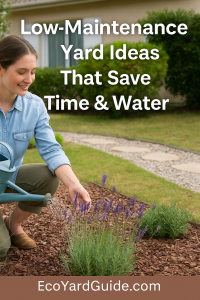
Low-Maintenance Yard Ideas That Save Time & Water
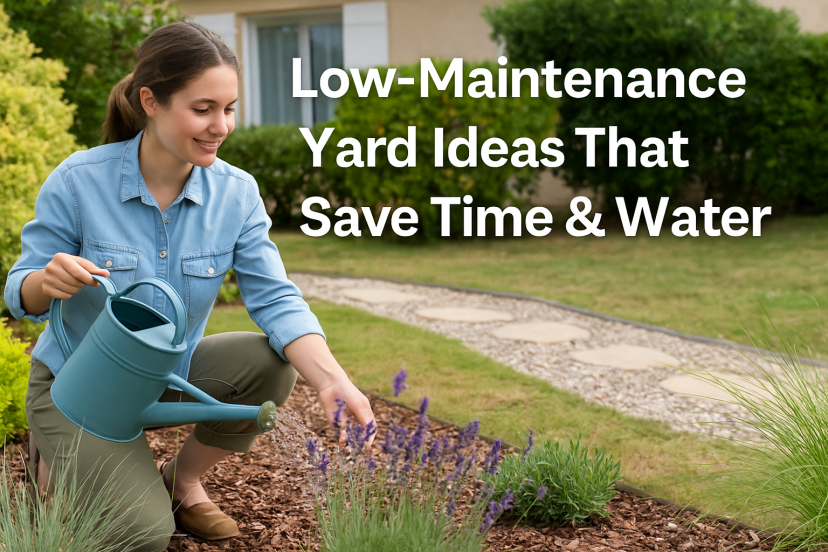
🌱 Smarter Yards for Greener Living
Between long workweeks and rising water bills, homeowners across the U.S. are rethinking traditional lawns. The days of endless mowing, watering, and fertilizing are giving way to smarter, more sustainable yard care.
A low maintenance eco yard not only saves time but also reduces water usage, boosts biodiversity, and increases your home’s value — all while creating a relaxing outdoor retreat.
Whether you’re starting from scratch or upgrading an existing landscape, this guide will walk you through beginner-friendly, drought-friendly yard ideas that make eco living easy, affordable, and beautiful.
💧 Why Choose a Low Maintenance Eco Yard?
Transforming your lawn into an eco yard isn’t just about convenience — it’s about sustainability and long-term savings.
✅ Key Benefits
-
Saves time: Less mowing, watering, and fertilizing.
-
Reduces water bills: Native and drought-resistant plants need minimal irrigation.
-
Improves soil health: Organic mulching and composting enhance fertility naturally.
-
Supports wildlife: Native plants attract pollinators and beneficial insects.
-
Boosts curb appeal: Eco-friendly landscapes look beautiful year-round with minimal upkeep.
💡 Fun fact: According to the EPA, the average American lawn uses nearly 9 billion gallons of water per day — much of it wasted due to overwatering. A low maintenance design can cut this by up to 50%!
🌸 Step 1: Choose Drought-Friendly Plants
When building a low maintenance eco yard, plant selection is everything. Native and drought-tolerant species thrive with less effort and naturally resist pests and disease.
🌿 Best Drought-Friendly Yard Plants (U.S.)
-
Lavender: Fragrant, bee-friendly, and heat-resistant.
-
Yarrow: Tolerates dry soil; perfect for pollinator gardens.
-
Sedum: A hardy succulent for borders or rock gardens.
-
Echinacea (Coneflower): Adds color and attracts butterflies.
-
California Poppy: A vibrant native wildflower ideal for dry climates.
-
Blue Fescue: Compact ornamental grass with low water needs.
👉 Pro tip: Group plants by their water needs (“hydrozoning”) to save even more time and resources.
🌾 Step 2: Replace Grass With Eco Alternatives
Traditional lawns are one of the biggest maintenance culprits. Instead of fighting nature, embrace sustainable, low-water options.
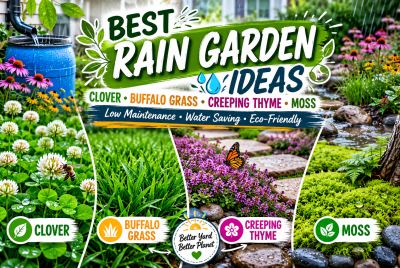
🌻 Eco Lawn Alternatives
-
Clover lawns: Require no fertilizer and stay green even during drought.
-
Ornamental grasses: Add texture and movement without constant care.
-
Native ground covers: Plants like creeping thyme or buffalo grass reduce mowing and watering.
-
Gravel or mulch areas: Great for pathways and accent zones to minimize watering.
💬 Did you know? Switching to clover or buffalo grass can reduce your mowing schedule by 75% or more — a major time-saver for busy homeowners!
🔧 Step 3: Install Smart Irrigation Systems
Water conservation is a cornerstone of eco landscaping. Modern irrigation technology can make your yard almost self-sustaining.
💧 Eco Watering Tips
-
Drip irrigation systems: Deliver water directly to roots, reducing waste.
-
Rain sensors: Automatically pause watering after rainfall.
-
Smart timers: Adjust watering schedules based on weather and soil conditions.
-
Rain barrels: Collect roof runoff to irrigate plants for free.
🌞 Tip for U.S. homeowners: Some states like California, Colorado, and Arizona offer rebates for installing water-efficient irrigation systems or replacing lawns with native landscapes.
🪴 Step 4: Use Mulch for Moisture and Weed Control
Mulch is your secret weapon for easy eco landscaping. It keeps soil cool, retains moisture, and suppresses weeds — meaning fewer chores and less water use.
🌿 Mulching Tips
-
Apply 2–3 inches of organic mulch (like shredded bark or compost).
-
Avoid piling mulch directly against stems or trunks.
-
Refresh annually to maintain moisture balance.
-
Try recycled materials like wood chips or shredded leaves for a sustainable touch.
🌎 Bonus: Mulching improves soil structure and encourages earthworms — nature’s own garden helpers.
☀️ Step 5: Embrace Solar and Energy-Efficient Yard Upgrades
Sustainability isn’t just about plants — it’s also about how you power your yard.
⚡ Smart Eco Upgrades
-
Solar garden lights: Illuminate paths without electricity costs.
-
Solar water features: Add visual interest while saving energy.
-
Compost bins: Reduce kitchen waste and enrich soil naturally.
-
Electric or manual tools: Replace gas-powered mowers and blowers with battery or push models.
🌞 Incentive alert: Many U.S. states provide tax credits or rebates for installing solar-powered systems or switching to electric lawn equipment.
🌺 Step 6: Design for Minimal Upkeep
A minimal upkeep yard combines structure and function for long-term ease.

🪴 Low-Maintenance Design Principles
-
Use hardscaping wisely: Add patios, gravel paths, or stone borders to cut down on plant areas.
-
Plant perennials: They regrow each year without replanting.
-
Create natural zones: Define relaxation, dining, and play areas to streamline maintenance.
-
Avoid high-maintenance décor: Choose simple, weather-resistant furniture and native shade trees.
🏡 Pro idea: Replace flower beds with mixed native shrubs for lasting beauty without weekly trimming.
🌳 Step 7: Compost and Fertilize Naturally
Forget chemical fertilizers. Natural composting builds stronger, healthier plants and reduces household waste.
🌿 DIY Composting Guide
-
Choose a shaded spot or compost bin.
-
Alternate “greens” (fruit scraps, grass clippings) and “browns” (leaves, twigs, paper).
-
Keep it moist — like a damp sponge.
-
Turn the pile every 1–2 weeks for aeration.
After 2–3 months, your nutrient-rich compost will be ready to spread — boosting your soil’s fertility and water retention.
🌼 Step 8: Attract Beneficial Wildlife
Nature’s best pest control comes with wings and legs! Encouraging wildlife can help keep your garden balanced and lively.
🐝 Eco-Friendly Ways to Support Wildlife
-
Plant native flowers to attract pollinators.
-
Add birdbaths or bee hotels.
-
Avoid pesticides that harm beneficial insects.
-
Use native shrubs and small trees for nesting and shade.
🌻 A balanced ecosystem is key to long-term low maintenance eco yard success — less need for interventions, more natural harmony.
🧰 When to Consult a Professional
While most eco yard upgrades are DIY-friendly, some situations call for expert help:
-
Landscape design: For large yards or slopes, hire a sustainable landscape designer.
-
Solar installations: Work with certified solar installers for optimal placement and rebates.
-
Irrigation systems: Professional installation ensures efficiency and leak-free operation.
-
Tree removal or trimming: Leave heavy lifting and safety risks to arborists.
👉 Tip: Look for landscapers certified by the Sustainable Sites Initiative (SITES) or local eco-building programs.
❓ FAQs About Low Maintenance Eco Yards
1. What makes a yard “eco-friendly”?
An eco yard uses native plants, water-efficient systems, and sustainable materials that reduce waste, pollution, and water use.
2. What’s the easiest low maintenance ground cover?
Clover, creeping thyme, and sedum are great for U.S. climates and require little watering or mowing.
3. How do I create a drought-friendly yard in hot states?
Use xeriscaping principles — group plants by water needs, apply mulch, and install drip irrigation.
4. How can I make my yard eco-friendly on a budget?
Start small: replace one lawn section with native plants, collect rainwater, or install solar lights gradually.
5. Is artificial turf considered eco-friendly?
Not always — while it saves water, synthetic grass can retain heat and disrupt soil ecosystems. Choose natural low-water plants instead.

6. What are the best low maintenance shrubs?
Try butterfly bush, barberry, or dwarf juniper — all hardy, attractive, and water-efficient.
7. How much can I save by switching to a low maintenance eco yard?
Homeowners can reduce outdoor water use by up to 60% and annual maintenance costs by $300–$500, depending on yard size and location.
🌎 Conclusion: Build a Greener Yard, One Step at a Time
Creating a low maintenance eco yard is about working with nature — not against it. With the right mix of drought-friendly plants, smart irrigation, and sustainable materials, you’ll enjoy a yard that practically takes care of itself.
Start small: replace one patch of grass, add a rain barrel, or plant pollinator-friendly flowers. Each eco-conscious decision saves time, conserves water, and contributes to a healthier planet. 🌿
By turning your outdoor space into a sustainable haven, you’re not only helping the environment — you’re also building a home that’s truly future-proof.
⚠️ Disclaimer
This content is for informational purposes only and may not account for specific regional regulations or conditions. Always follow local water-use guidelines and consult professionals for structural or electrical installations.
 Explore more:
- Raised Beds Vs In-Ground Gardens: Which Is Better
- Natural Ways To Improve Yard Drainage
- The Ultimate Guide to Eco Landscaping for Beginners