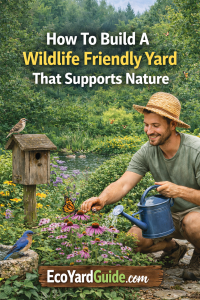
🌿 How To Build A Wildlife Friendly Yard That Supports Nature
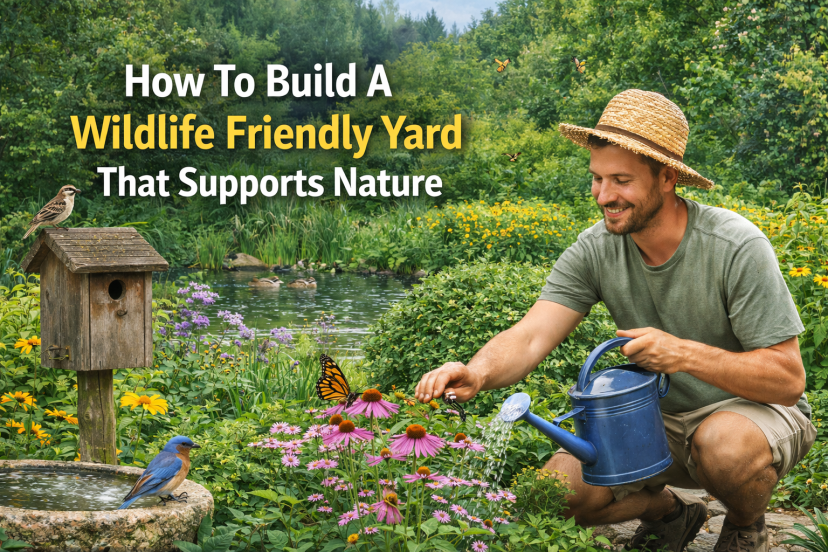
Turn Your Yard Into A Living Ecosystem
More homeowners are realizing that a perfect lawn isn’t always a healthy one. If you’re looking to save money, reduce waste, and live more sustainably, creating a wildlife friendly yard is one of the most impactful upgrades you can make.
A backyard habitat doesn’t need to be wild or messy. With smart planning, you can attract birds, pollinators, and beneficial insects while lowering water use, reducing chemicals, and supporting local ecosystems. Best of all, many of these changes are affordable DIY projects that work in both small and large U.S. yards.
This guide breaks everything down using a simple food–water–shelter formula so you can start supporting nature right outside your door.
🌎 Why A Wildlife Friendly Yard Matters
A wildlife friendly yard helps reverse habitat loss caused by development, pesticides, and monoculture lawns.
🌱 Environmental Benefits
-
Supports declining pollinator populations
-
Improves soil health and water retention
-
Reduces chemical runoff into waterways
💰 Financial Benefits
-
Lower water and maintenance costs
-
Less spending on fertilizers and pesticides
-
Long-term landscape resilience
🐦 Lifestyle Benefits
-
More birds and butterflies to enjoy
-
Natural pest control from beneficial insects
-
A healthier, more relaxing outdoor space
🌿 The Food–Water–Shelter Formula Explained
Every successful backyard habitat provides three essentials:
-
Food sources
-
Clean water
-
Safe shelter
When all three are present, wildlife can thrive year-round.
🌼 Food Sources For A Wildlife Friendly Yard
Food is the foundation of any backyard habitat.
🌸 Native Plants Power Pollinator Habitat
Native plants evolved alongside local wildlife and provide the most nutritious food.
Top native plant benefits:
-
Require less water and fertilizer
-
Support bees, butterflies, and birds
-
Thrive in local climates
Examples commonly used across the U.S. include:
-
Coneflower
-
Milkweed
-
Black-eyed Susan
-
Serviceberry
A strong pollinator habitat starts with plant diversity.
🐝 Supporting Beneficial Insects Naturally
Beneficial insects control pests and improve plant health.
Insects to encourage:
-
Lady beetles
-
Lacewings
-
Native bees
How to attract them:
-
Avoid pesticides
-
Plant flowering herbs
-
Leave some leaf litter
Beneficial insects reduce the need for chemical sprays and help balance your ecosystem.
🐦 Feeding Birds The Right Way
A bird-friendly yard focuses on natural food first.
Best natural bird foods:
-
Berry-producing shrubs
-
Seed heads left on flowers
-
Native trees
If using feeders:
-
Clean them regularly
-
Offer region-appropriate seeds
-
Place them near cover
💧 Water Features That Support Wildlife
Water is often missing from suburban landscapes.
💧 Simple Wildlife Water Solutions
-
Shallow birdbaths
-
Small ground-level dishes
-
DIY pond liners
Best practices:
-
Refresh water every 2–3 days
-
Add stones for insect safety
-
Place in shaded areas
In many U.S. regions, adding a small water feature uses less water than maintaining turf grass.
🌧️ Rainwater As A Sustainable Resource
Rainwater harvesting supports a wildlife friendly yard while saving money.
Eco-friendly options:
-
Rain barrels (where permitted)
-
Swales and rain gardens
-
Permeable soil zones
Check local water regulations before installing collection systems.
🌳 Shelter: The Most Overlooked Habitat Element
Shelter protects wildlife from predators, weather, and human activity.
🌲 Trees And Shrubs As Natural Shelter
Layered planting creates safe zones.
Ideal shelter layers:
-
Tall trees
-
Medium shrubs
-
Groundcover plants
This structure supports birds, small mammals, and beneficial insects year-round.
🍂 Leave The Leaves (Strategically)
Fallen leaves are valuable habitat.
Benefits of leaf litter:
-
Protects overwintering insects
-
Improves soil nutrients
-
Reduces yard waste
Keep leaves under shrubs and trees while clearing walkways for safety.
🐞 DIY Wildlife Shelter Projects
Simple projects add big habitat value.
Easy DIY ideas:
-
Brush piles from fallen branches
-
Insect hotels using bamboo
-
Rock piles for ground insects
These features cost little and greatly enhance a wildlife friendly yard.
🌱 Lawn Alternatives That Support Nature
Traditional lawns provide little habitat value.
🌿 Eco-Friendly Lawn Replacements
-
Native groundcovers
-
Clover mixes
-
Low-growing meadow plants
Benefits include:
-
Less mowing
-
Reduced water use
-
Improved pollinator habitat
Many U.S. cities now encourage lawn reduction through conservation programs.
☀️ Wildlife Friendly Yard And Energy Efficiency
Habitat landscaping can improve home efficiency.
☀️ Smart Plant Placement
-
Shade trees on west-facing sides
-
Windbreak shrubs in cold regions
-
Pollinator plants near gardens
These strategies support wildlife while lowering cooling and heating costs.
🔧 Sustainable Yard Maintenance Practices
How you maintain your yard matters as much as what you plant.
🔧 Eco-Friendly Maintenance Tips
-
Hand-pull weeds
-
Use compost instead of synthetic fertilizer
-
Mow less often and higher
A low-input approach supports beneficial insects and soil life.
🌎 U.S.-Specific Wildlife Considerations
🇺🇸 Regional Awareness
-
Follow USDA planting zones
-
Avoid invasive species
-
Respect HOA or city ordinances
Many states offer native plant sales and rebates through local extension services.
🧑🌾 When To Consult A Professional
Consider expert help if:
-
You’re redesigning large areas
-
Drainage or erosion issues exist
-
You plan to integrate solar or irrigation systems
Landscapers and eco-contractors can help design wildlife-friendly solutions that meet local regulations.
🌿 Wildlife-Friendly Yard Layout Diagram (Food–Water–Shelter)
Below is a clear, practical layout concept you can use as a visual blueprint for designing a backyard habitat. This works for small suburban yards or larger properties and follows the proven food–water–shelter formula.
🗺️ How To Read The Diagram (Zone By Zone)
🌳 Back Of Yard – Shelter Zone
Purpose: Protection, nesting, overwintering
-
Native trees (shade + nesting sites)
-
Dense shrubs for cover
-
Brush or log piles tucked out of sight
✅ Supports birds, small mammals, and beneficial insects
✅ Creates wind and noise buffering
🌼 Middle Yard – Food Zone
Purpose: Pollinator habitat & natural food
-
Native flowering plants
-
Berry-producing shrubs
-
Seed-bearing perennials
🌱 Stagger plants in layers
🐝 Blooms from early spring to fall
🐦 Supports birds without feeders
💧 Side Or Corner – Water Zone
Purpose: Drinking & bathing
-
Shallow birdbath or basin
-
Stones for insect safety
-
Partial shade placement
💧 Refresh water every 2–3 days
💧 Small footprint, big impact
🌿 Front Or Path Edges – Transition Zone
Purpose: Visual order + HOA-friendly look
-
Native groundcovers
-
Clover or low meadow plants
-
Mulched paths
✅ Keeps yard tidy
✅ Reduces mowing and water use
🔧 DIY Placement Tips (Beginner-Friendly)
-
Place trees first, shrubs second, flowers last
-
Group plants in odd numbers for a natural look
-
Keep wildlife zones away from busy walkways
-
Leave small “messy” areas hidden behind shrubs
☀️ Bonus: Energy & Sustainability Alignment
-
Shade trees on west-facing sides
-
Shrubs as winter windbreaks
-
Pollinator beds near vegetable gardens
This layout supports wildlife and lowers home energy use
❓ FAQs About Wildlife Friendly Yards
🌱 What Makes A Yard Wildlife Friendly?
A yard that provides food, water, and shelter using native plants and chemical-free practices.
🐝 How Do I Create A Pollinator Habitat At Home?
Plant native flowering plants, avoid pesticides, and provide shallow water sources.
🐦 Can Small Yards Support Wildlife?
Yes. Even balconies and patios can support birds and beneficial insects with container plants.
💧 Does a Wildlife-Friendly Yard Use More Water?
No. Native plants typically require less water than turf grass.
🌼 Are Wildlife Yards Messy?
They can be neat and structured with intentional design and maintenance.
🐞 Do Beneficial Insects Really Reduce Pests?
Yes. They naturally control aphids, caterpillars, and other common pests.
🌳 How Long Does It Take To See Results?
Many homeowners notice birds and pollinators within weeks of planting.
🌿 Conclusion: Every Yard Can Make A Difference
A wildlife friendly yard isn’t just good for nature—it’s good for your home, your budget, and your well-being. By following the food–water–shelter formula, you can transform your outdoor space into a thriving habitat that supports birds, pollinators, and beneficial insects year after year.
Small changes add up. One native plant, one water dish, or one brush pile can make a meaningful difference.
⚠️ Disclaimer
DIY landscaping projects involve physical work and local regulations. Always check regional guidelines, water restrictions, and safety considerations before making changes to your yard.
 Explore more:
- How To Improve Clay Soil Naturally
- Vermicomposting 101: Worm Composting For Beginners
- How To Build Healthy Garden Soil Naturally